Just a Little Story Before We Get Cooking
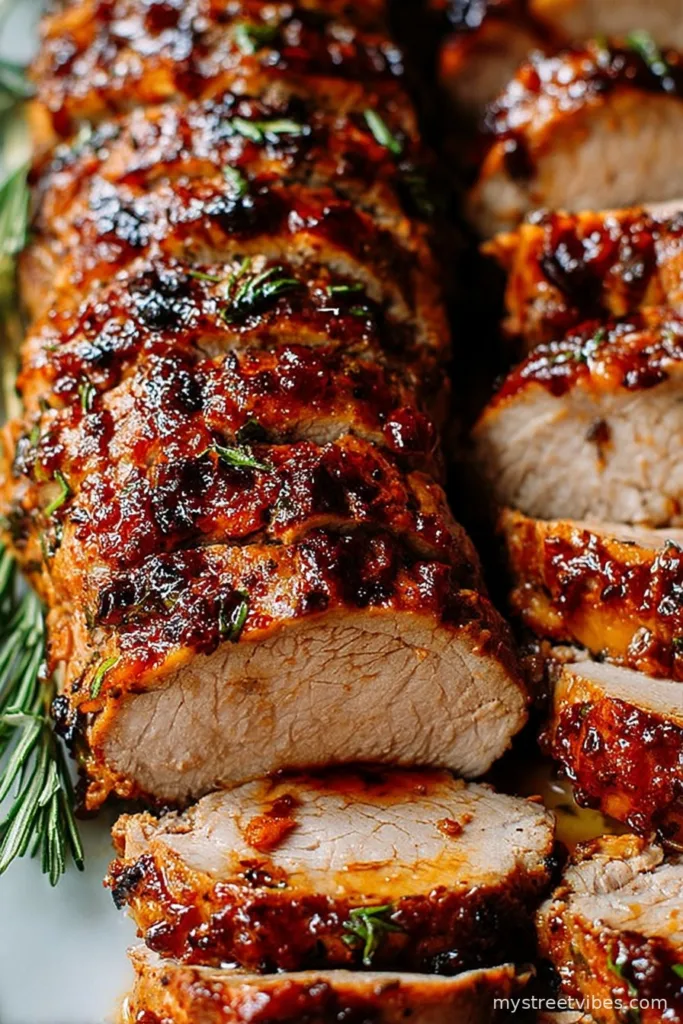
Alright, let me paint the scene: it’s a rainy Sunday, my house smells like onions and something a bit sweet (I nearly always drop a bit of brown sugar somewhere it doesn’t belong). This pork tenderloin roast is what I turn to when I want to look fancier than I am—which, let’s be honest, is most family gatherings. The first time I made this, my aunt Linda gave me the side-eye, because apparently, her version is “the family classic.” Well, by the end of dinner, there were only about three slices left and not a single peep from her. Ha! Victory is sometimes served with apple sauce.
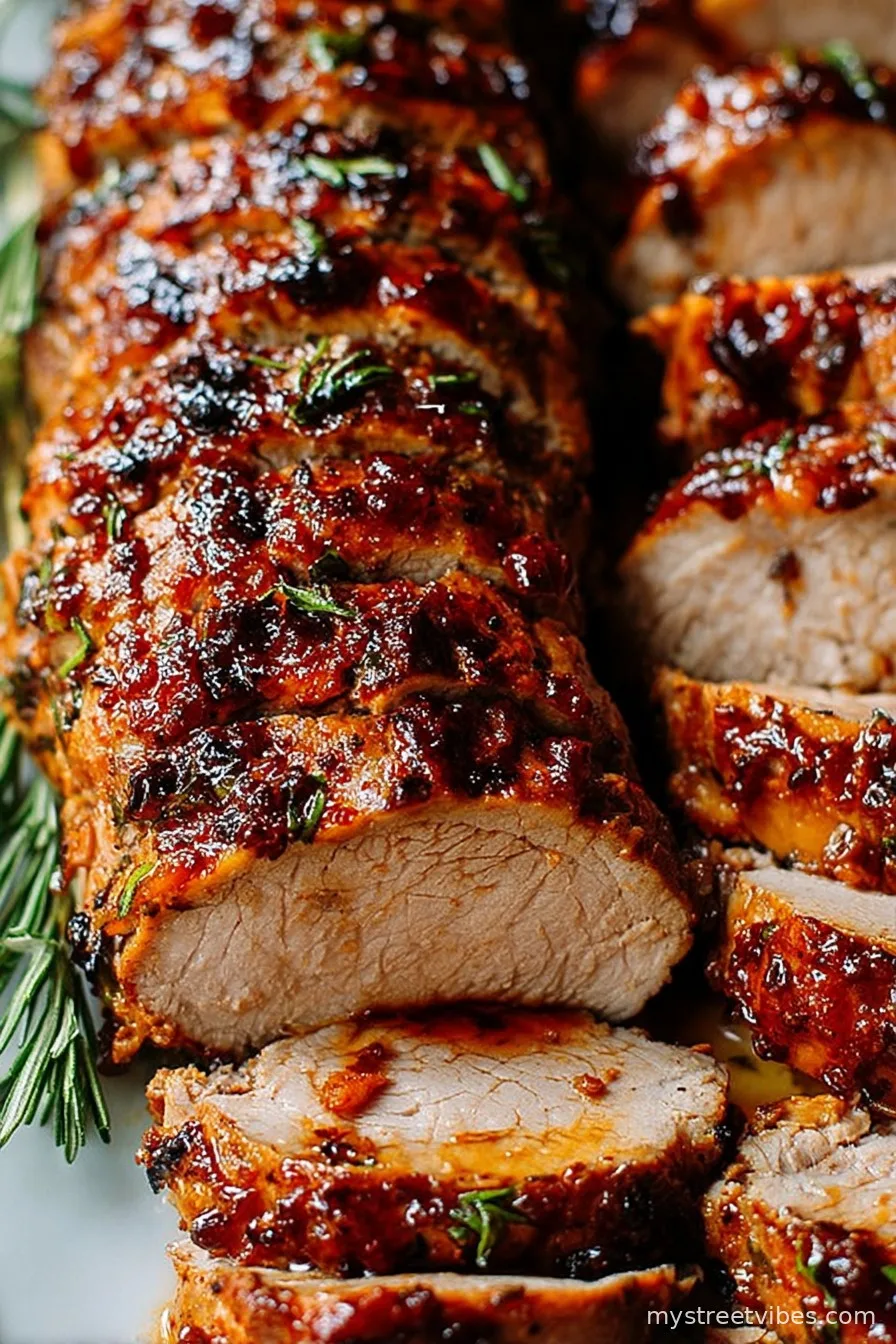
Why You’ll Love This (at Least, We Do)
I make this pork tenderloin when I’ve forgotten to plan ahead but still want to serve something that screams, “I absolutely did not just wing this, no way.” My kids gobble it up—probably because there’s never any dry, leathery bits. My partner says the leftovers (if there are any, which, let’s be real, isn’t often) make fantastic sandwiches for work. And I’ll admit, I started roasting pork because chicken breasts were starting to taste like wet cardboard to me. Sometimes I overcook things, but not here! The method here saves my bacon (I mean, pork) every time.
Let’s Talk Ingredients—With Options!
- 1 to 1.5 lbs pork tenderloin (sometimes I snag two smaller ones, since they cook a bit faster)
- 2 tablespoons olive oil (my gran swore by sunflower oil, but olive’s what’s usually around)
- 1 tablespoon Dijon mustard (I’ve used grainy mustard too, for a bit more rustic feel)
- 1 tablespoon brown sugar (or honey, if that’s what’s handy)
- 1 teaspoon smoked paprika (I go for sweet paprika in a pinch—does the job!)
- 1 teaspoon garlic powder (fresh minced is fancier, but I only bother when I’m showing off)
- Salt and pepper, generous pinch each
- 1 teaspoon dried thyme (sometimes I just grab Italian seasoning—works fine!)
- 1 tablespoon apple cider vinegar (white wine vinegar? No problem)
- 1 small onion, sliced thin (if I forget this, it’s not the end of the world, but it smells nicer with it)
How I Roast It: My Not-Too-Strict Directions
- First off, let your pork sit out while you mix the rub—takes the chill off, which helps it cook nice and even.
- Get your oven preheated to 425°F (220°C). Don’t skip this part; a hot oven means a juicy inside.
- Mix together the olive oil, Dijon, brown sugar (or honey), smoked paprika, garlic powder, salt, pepper, thyme, and vinegar in a little bowl. I use a teaspoon and stir with a fork. Sometimes I spill. That’s totally fine.
- Pat your pork dry with paper towels. Rub the whole thing with your marinade. I just use my hands and, yes, it does get everywhere. Place the pork on a rimmed baking sheet or a roasting pan, scatter sliced onions all around.
- Roast for 20–25 minutes, depending on the size—check it at 20. You want a meat thermometer (or, as my mum says, the magic pokey stick) to hit 145°F (63°C) in the thickest part. This is where I usually sneak a cheeky little taste of that marinade that sizzles on the side. No regrets.
- Let it rest, tented loosely with foil, for at least 8–10 minutes; don’t rush this step (unless you love dry pork, which… odd choice!).
- Slice thick or thin, up to you. I go for thick slices when feeling hungry, thinner for guests (makes me look generous, haha).
Notes From a Bit of Trial and Error
- If you forget to tent with foil after roasting, all is not lost, but your pork might be a tad drier (ask me how I know…)
- Honestly, I think this roast tastes even better the next day, cold, right form the fridge. Not sure anyone else in my house agrees, but that’s their loss.
- Marinating overnight? Meh. I’ve done it—I don’t really notice a huge difference.
Variations I’ve Actually Tried (Or, Umm… Shouldn’t Have)
- Honey instead of brown sugar—a bit sweeter, not bad with applesauce on the side.
- Adding a spoon of soy sauce to the marinade: tasty, but browns faster, so keep an eye out.
- Tried to use hot English mustard once. Big mistake. My nose was running for ages!

Equipment I Use (Or Fake It Till You Make It)
- Baking sheet or roasting pan (I’ve used a Pyrex dish in a pinch—worked fine)
- Meat thermometer—highly recommend, but if you don’t have one, just cut into the thickest bit and check that it’s slightly rosy but not raw
- Tongs, or a couple of forks if you can’t find your tongs (story of my kitchen…)
How to Store Leftovers (If You Have Any)
Put any leftovers (haha, good luck) in an airtight container and stash in the fridge. Should last up to three days, though honestly, in my house it never makes it past the first night. And yes, cold pork slices with a dab of mustard are criminally underrated.
Serving It Up, Family-Style
Usually, I bring the cutting board right to the table and let everyone take what they want—nothing fancy here. On Sundays, we have it with roasted potatoes and green beans. But sometimes, just a loaf of crusty bread and some mustard is all you need. My uncle dunks pork in ketchup, which… you know what, I won’t judge.
Pro Tips (Learned the Hard Way)
- Once, I tried rushing the resting step because I was late for dinner. Rookie move. The juices ran everywhere—pork was still good but not nearly as juicy.
- Don’t be afraid of a blush of pink; overcooked pork is harder than an old boot. And that’s not what we’re after.
You Asked, I Answered: Pork Tenderloin FAQ
- Can I use pork loin instead of tenderloin? You could, but it’s not quite the same—loins are bigger, take longer, and honestly, I’ve found they can dry out more. I’d stick with tenderloin if you can find it.
- How do I know if it’s done? Meat thermometer’s your best pal, but otherwise, look for a bit of blush in the center. No one wants shoe leather.
- What if I don’t have Dijon? Grainy mustard or even regular yellow works in a jam (one time I used horseradish, but… on second thought, better not).
- Does the resting matter? YEP. Learned that after slicing too soon more times than I care to admit. Trust me; patience here really pays off.
Oh, and unrelated but—have you ever noticed how you start cleaning up one kitchen drawer and suddenly, two hours later, you’ve organized all the leftovers containers and still can’t find the matching lids? Just a thought that came to me last time I waited for the roast to rest.
Ingredients
- 1 to 1.5 lbs pork tenderloin (sometimes I snag two smaller ones, since they cook a bit faster)
- 2 tablespoons olive oil (my gran swore by sunflower oil, but olive’s what’s usually around)
- 1 tablespoon Dijon mustard (I’ve used grainy mustard too, for a bit more rustic feel)
- 1 tablespoon brown sugar (or honey, if that’s what’s handy)
- 1 teaspoon smoked paprika (I go for sweet paprika in a pinch—does the job!)
- 1 teaspoon garlic powder (fresh minced is fancier, but I only bother when I’m showing off)
- Salt and pepper, generous pinch each
- 1 teaspoon dried thyme (sometimes I just grab Italian seasoning—works fine!)
- 1 tablespoon apple cider vinegar (white wine vinegar? No problem)
- 1 small onion, sliced thin (if I forget this, it’s not the end of the world, but it smells nicer with it)
Instructions
-
1First off, let your pork sit out while you mix the rub—takes the chill off, which helps it cook nice and even.
-
2Get your oven preheated to 425°F (220°C). Don’t skip this part; a hot oven means a juicy inside.
-
3Mix together the olive oil, Dijon, brown sugar (or honey), smoked paprika, garlic powder, salt, pepper, thyme, and vinegar in a little bowl. I use a teaspoon and stir with a fork. Sometimes I spill. That’s totally fine.
-
4Pat your pork dry with paper towels. Rub the whole thing with your marinade. I just use my hands and, yes, it does get everywhere. Place the pork on a rimmed baking sheet or a roasting pan, scatter sliced onions all around.
-
5Roast for 20–25 minutes, depending on the size—check it at 20. You want a meat thermometer (or, as my mum says, the magic pokey stick) to hit 145°F (63°C) in the thickest part. This is where I usually sneak a cheeky little taste of that marinade that sizzles on the side. No regrets.
-
6Let it rest, tented loosely with foil, for at least 8–10 minutes; don’t rush this step (unless you love dry pork, which… odd choice!).
-
7Slice thick or thin, up to you. I go for thick slices when feeling hungry, thinner for guests (makes me look generous, haha).
CLICK FOR NUTRITION INFO
↑
Approximate Information for One Serving
Serving Size:
1 serving
Calories:
275 caloriescal
Protein:
32gg
Fat:
13gg
Saturated Fat:
0g
Trans Fat:
0g
Cholesterol:
0mg
Sodium:
0mg
Potassium:
0mg
Total Carbs:
7gg
Fiber:
0g
Sugar:
0g
Net Carbs:
0g
Vitamin A:
0
Vitamin C:
0mg
Calcium:
0mg
Iron:
0mg
Nutrition Disclaimers
Number of total servings shown is approximate. Actual number of servings will depend on your preferred portion sizes.
Nutritional values shown are general guidelines and reflect information for 1 serving using the ingredients listed, not including any optional ingredients. Actual macros may vary slightly depending on specific brands and types of ingredients used.
To determine the weight of one serving, prepare the recipe as instructed. Weigh the finished recipe, then divide the weight of the finished recipe (not including the weight of the container the food is in) by the desired number of servings. Result will be the weight of one serving.
Did you make this recipe?
Please consider Pinning it!