First Things First: Storytime & A Quick Laugh
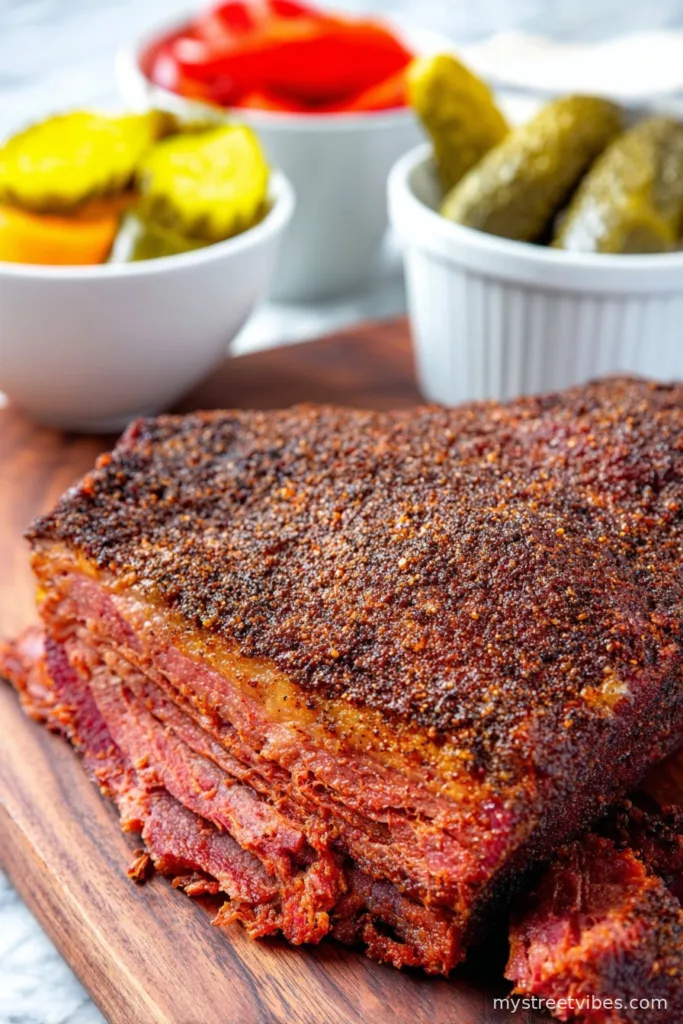
You know that feeling when you’re halfway through a big recipe and realize you forgot one crucial step? Yeah, that’s pretty much my experience the first time I smoked corned beef brisket. It was my cousin Jake’s birthday, and he swears he can taste the difference between a brisket smoked on a pellet grill and one smoked on a regular old charcoal setup (I remain skeptical, but hey—let him have it). Anyway, my dog kept trying to sneak a sample, my nephew wanted to help, and I underestimated how long the whole process takes if you’re prone to, ahem, distraction. Totally worth it, though—the smoky, juicy slices really *are* next level. Also, don’t be shy about having your favorite drink in hand. I usually do.

Why My Family and I Can’t Get Enough of This
I make this smoked corned beef brisket on lazy Saturdays when we’re just hanging out, usually with a game on in the background (or the occasional spontaneous dance contest in the kitchen). My family goes nuts for it—seriously, it barely spends any time on the table before it disappears. It’s also my secret weapon for leftover sandwiches (try it, thank me later!). Sure, the prep takes longer than a box of mac ‘n cheese, but trust me, the aroma alone as it smokes outside will have the whole street wondering what I’m up to. Oh, and if you’ve ever had trouble with tough brisket, I feel your pain; this method fixes that—mostly. Every once in a while, a brisket decides to be stubborn, but patience tends to win, eventually.
Stuff You’ll Need (But Don’t Panic If You Don’t Have Fancy Brands)
- 1 whole corned beef brisket, about 4-5 pounds (Honestly, any grocery store corn beef works. My grandma always bought Brand X, but the store brand’s fine, too.)
- 1/4 cup yellow or Dijon mustard (Sometimes I use spicy brown if that’s all that’s in the fridge.)
- 2 tablespoons fresh cracked black pepper
- 2 tablespoons coarse ground coriander (If you’re out, just skip it—I’ve done it, nobody noticed.)
- 2 teaspoons garlic powder
- 1 tablespoon brown sugar (Just a pinch of sweetness, and sometimes I go heavier—no one’s complained)
- A handful of wood pellets for smoking (hickory, cherry, or whatever you find in your garage—no judgment)
- Water for the smoker’s water pan (or a can of cheap beer, which I sometimes secretly use for “research”)
- Aluminum foil (optional, but clutch for wrapping if things get dry)
How I (Sometimes Haphazardly) Make It
- First, soak your corned beef brisket in a big bowl of water (in the fridge!) overnight to pull out some of the salt. Sometimes I forget and just do a few hours—still decent, but not quite as mellow.
- Pat the brisket dry (really get in there), then slather it all over with the mustard—top, sides, everywhere. On a wild day, I’ll just squeeze it right onto the brisket and smoosh it around by hand. Messy, but sort of satisfying.
- Mix together the pepper, coriander, garlic powder, and brown sugar in a bowl, then sprinkle that mix all over your brisket. Press it in a bit so it sticks. I tend to get overly enthusiastic here—don’t worry, you can’t really over-season a corned beef, at least I haven’t yet.
- Set your pellet smoker to 250°F. Fill the hopper with pellets (I’m not picky – whatever is leftover basically), and pour water (or beer) into the water pan. If you don’t have a water pan, a foil pie plate works just as well in a pinch!
- Pop your brisket right onto the rack, fat side up. Shut it and let that beauty smoke away for about 5-6 hours. I usually check at the 3-hour mark—not because you have to, but because I’m nosy and love the smell.
- If the outside starts looking a little too dark or you’re worried it’s drying out, wrap the brisket in foil and let it finish cooking until it hits 200°F inside. Sometimes I pull it at 195°F out of impatience, and honestly, it’s still awesome.
- Let it rest (seriously, don’t skip this or it’ll be tough). I cover it and wait at least 30 minutes. Sometimes we clean up while waiting, sometimes we just stare at it hungrily.
- Slice against the grain and serve hot! (But, confession: cold leftovers are next-level in a sandwich with pickles and mustard.)
Stuff I Wish I’d Known Sooner
- If you skip the soak, your brisket will taste like a salt lick. I learned that one the hard way.
- Wood type matters less than folks say. Or maybe my tastebuds aren’t that fancy?
- Don’t panic if it looks a bit purple after soaking. It’ll turn that gorgeous mahogany color later.
- Cleanup is so much easier if you use foil under the brisket.
My Shameless Experiments & a Failure
So, I tried glazing this with maple syrup once—turns out, that made it oddly sticky, and my dog wouldn’t even finish the scraps. On the plus side, I’ve swapped in smoked paprika for coriander when out, and that actually adds a fun twist. If you want something spicier, a little cayenne in the rub perks things up. Also, one time I tried smoking it on a rainy day using my old oven tray as a drip pan (don’t try that—the cleanup was… regrettable).

Tools and Gear (Or Not)
- Pellet smoker (obviously)
- Meat thermometer (but honestly, the old poke method works if you’re brave, ha!)
- Big bowl for soaking (any pot big enough will do—I’ve used a clean ice bucket before)
- Aluminum foil (life saver if things get dry or messy)
How to Store It (Though It Won’t Last Long)
Wrap up the leftovers (if there are any!) in foil or pop rightful slices in a resealable bag. It stays good in the fridge for 3-4 days. I think it actually tastes better the next day, especially tucked into a rye bread sandwich. Freezes fine, but be prepared for a whiff of smoked meat every time you open the freezer for a while. In my house, leftovers don’t make it past brunch.
How We Serve It (And Sometimes Argue Over It)
For us, this always winds up on the table with roasted potatoes (or chips if I got lazy), tangy slaw, and mustard on the side. My spouse loves it loaded up on a bun with sauerkraut, whereas I lean toward a heap of pickles. If we’re feeling fancy, we’ll do horseradish crema. There’s really no wrong way, promise.
Real-World Lessons (Aka Pro Tips)
- Don’t rush the soak. I once did, and the salt level nearly took my eyebrows off.
- Don’t slice it straight away—the juices go everywhere and the meat gets oddly dry. I wish someone had told me that back in the day.
- If you’re tempted to open the smoker constantly, try to resist. I mean, it’s not the end of the world, but you’ll lose heat every time. Actually, just have a friend supervise you.
Your (AKA My) Most Common Questions
- Can I use a regular smoker or BBQ grill instead of a pellet smoker?
- Yep. I did it once on an old kettle grill—it took more babysitting, but totally works. Just go indirect, keep the temp steady, and you’ll be golden.
- Is it really necessary to soak the corned beef first?
- I think so! Unless you’re all about that salty kick. On second thought, it’s probably not the end of the world if you forget—but I’d avoid it if you can.
- What if I don’t have all the spices?
- Just use what’s in the cupboard. I’ve skipped ingredients more times than I can count and no one’s said a word.
- Does it matter if I use flat cut or point cut?
- Eh, I use whatever cut is on sale (my wallet wins). Flat cut is leaner, but the point has more fat if you want it juicy—your call.
- Can I make this ahead?
- For sure. It’s honestly even better reheated. Also, sneak a cold slice sometime. Trust me.
Oh, quick sidebar: if you’re ever in doubt, trust your nose and tastebuds—they know best, even if the recipe says otherwise. Happy smoking, and don’t forget to take it easy and enjoy the ride—sometimes the best bites come form the most unexpected moments.
Ingredients
- 1 whole corned beef brisket, about 4-5 pounds
- 1/4 cup yellow or Dijon mustard
- 2 tablespoons fresh cracked black pepper
- 2 tablespoons coarse ground coriander
- 2 teaspoons garlic powder
- 1 tablespoon brown sugar
- A handful of wood pellets for smoking (hickory, cherry, or whatever you have)
- Water for the smoker’s water pan (or a can of cheap beer)
- Aluminum foil (optional, for wrapping)
Instructions
-
1First, soak your corned beef brisket in a big bowl of water (in the fridge!) overnight to pull out some of the salt. Sometimes I forget and just do a few hours—still decent, but not quite as mellow.
-
2Pat the brisket dry (really get in there), then slather it all over with the mustard—top, sides, everywhere. On a wild day, I’ll just squeeze it right onto the brisket and smoosh it around by hand. Messy, but sort of satisfying.
-
3Mix together the pepper, coriander, garlic powder, and brown sugar in a bowl, then sprinkle that mix all over your brisket. Press it in a bit so it sticks. I tend to get overly enthusiastic here—don’t worry, you can’t really over-season a corned beef, at least I haven’t yet.
-
4Set your pellet smoker to 250°F. Fill the hopper with pellets (I’m not picky – whatever is leftover basically), and pour water (or beer) into the water pan. If you don’t have a water pan, a foil pie plate works just as well in a pinch!
-
5Pop your brisket right onto the rack, fat side up. Shut it and let that beauty smoke away for about 5-6 hours. I usually check at the 3-hour mark—not because you have to, but because I’m nosy and love the smell.
-
6If the outside starts looking a little too dark or you’re worried it’s drying out, wrap the brisket in foil and let it finish cooking until it hits 200°F inside. Sometimes I pull it at 195°F out of impatience, and honestly, it’s still awesome.
-
7Let it rest (seriously, don’t skip this or it’ll be tough). I cover it and wait at least 30 minutes. Sometimes we clean up while waiting, sometimes we just stare at it hungrily.
-
8Slice against the grain and serve hot! (But, confession: cold leftovers are next-level in a sandwich with pickles and mustard.)
CLICK FOR NUTRITION INFO
↑
Approximate Information for One Serving
Serving Size:
1 serving
Calories:
450 caloriescal
Protein:
35gg
Fat:
30gg
Saturated Fat:
0g
Trans Fat:
0g
Cholesterol:
0mg
Sodium:
0mg
Potassium:
0mg
Total Carbs:
6gg
Fiber:
0g
Sugar:
0g
Net Carbs:
0g
Vitamin A:
0
Vitamin C:
0mg
Calcium:
0mg
Iron:
0mg
Nutrition Disclaimers
Number of total servings shown is approximate. Actual number of servings will depend on your preferred portion sizes.
Nutritional values shown are general guidelines and reflect information for 1 serving using the ingredients listed, not including any optional ingredients. Actual macros may vary slightly depending on specific brands and types of ingredients used.
To determine the weight of one serving, prepare the recipe as instructed. Weigh the finished recipe, then divide the weight of the finished recipe (not including the weight of the container the food is in) by the desired number of servings. Result will be the weight of one serving.
Did you make this recipe?
Please consider Pinning it!