So, Here’s My Go-To Focaccia Story (Or Ramble)
Right, gather round—this is the focaccia recipe I’ve probably baked more times than I’ve misplaced my keys, which is honestly saying something. My kitchen has seen all sorts: burnt garlic knots, disastrous baguettes, but this focaccia? It sticks the landing almost every time, even if you (like me) lose track and forget to set a timer. My mum (who, by the way, thinks a stand mixer is for show-offs) gave me her old dog-eared focaccia notes, but I’ve kind of zigzagged with them over the years. One time my dog sneaked off with a corner before it cooled and honestly, I couldn’t blame him.
Why I Keep Coming Back to This
I bake this when I’ve had a rotten day and need my home to smell like a bakery (or at least not like I’ve burnt dinner, again). My family basically hovers near the oven as soon as I start—it’s like I’ve rung a dinner bell they can hear form the next street over. And if you ever have friends pop round unexpectedly? Fresh focaccia makes you look like you’ve totally got your life together, even if your socks don’t match. (Oh, and this crust—crunchy! I used to underbake it, but we don’t talk about those dense, pale loaves anymore…)
All the Stuff You Need (Plus My Substitutions)
- 4 cups (about 500g) all-purpose flour (I sometimes toss in a bit of bread flour if I’m running low—it comes out chewier)
- 1 1/2 cups warm water (not too hot, just enough so you wouldn’t mind sticking your finger in)
- 2 teaspoons instant yeast (My gran loved the stuff from the little blue jar but, honestly, supermarket brands work too)
- 2 teaspoons kosher salt (I’ve used normal table salt—tastes fine, swear)
- 1/4 cup olive oil, more for drizzling (The good stuff if you’ve got it, or just what’s open. I once used half canola out of desperation and nobody complained)
- Sea salt flakes, for sprinkling (not a dealbreaker if you skip)
- Fresh rosemary (dried totally works—maybe less though, so it doesn’t taste like a pine forest)
How I Get This Stuff to Actually Turn Into Bread
- Mix the flour, yeast, and salt in a biggish bowl. I just use my hands (yes, it gets messy, grab a spoon if you’re feeling proper).
- Make a lopsided well in the middle. Pour in the warm water and 2 tablespoons olive oil. Stir it about until you’ve got a shaggy mess—sometimes looks like biscuit dough at this point (don’t panic, it sorts itself out).
- Knead a bit—either in the bowl or dump it onto the counter. Five minutes solid will do (or less, if your arm tires out early—been there).
- Splash a bit of oil into a clean bowl, plop the dough in, turn it to coat. Cover with cling film or whatever and stick somewhere warm—not too fussy. This is where I usually check my phone, and then remember to check on it after about an hour, when it’s doubled-ish.
- Drizzle some olive oil on a baking tray (approx. 9×13 inches, but honestly, I’ve done it smaller and just baked it higher). Plop the dough down, press it gently to fill the tray. Let it hang out for another 20-30 minutes so it gets puffy—sometimes I get distracted and come back after an hour and that’s absolutely fine, just a taller focaccia.
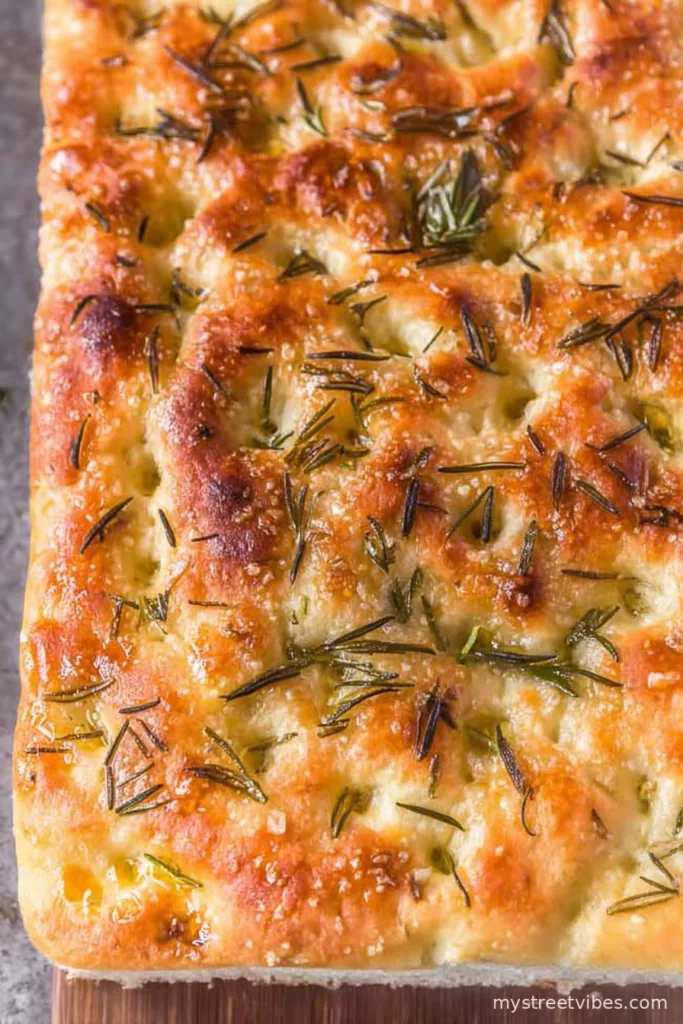
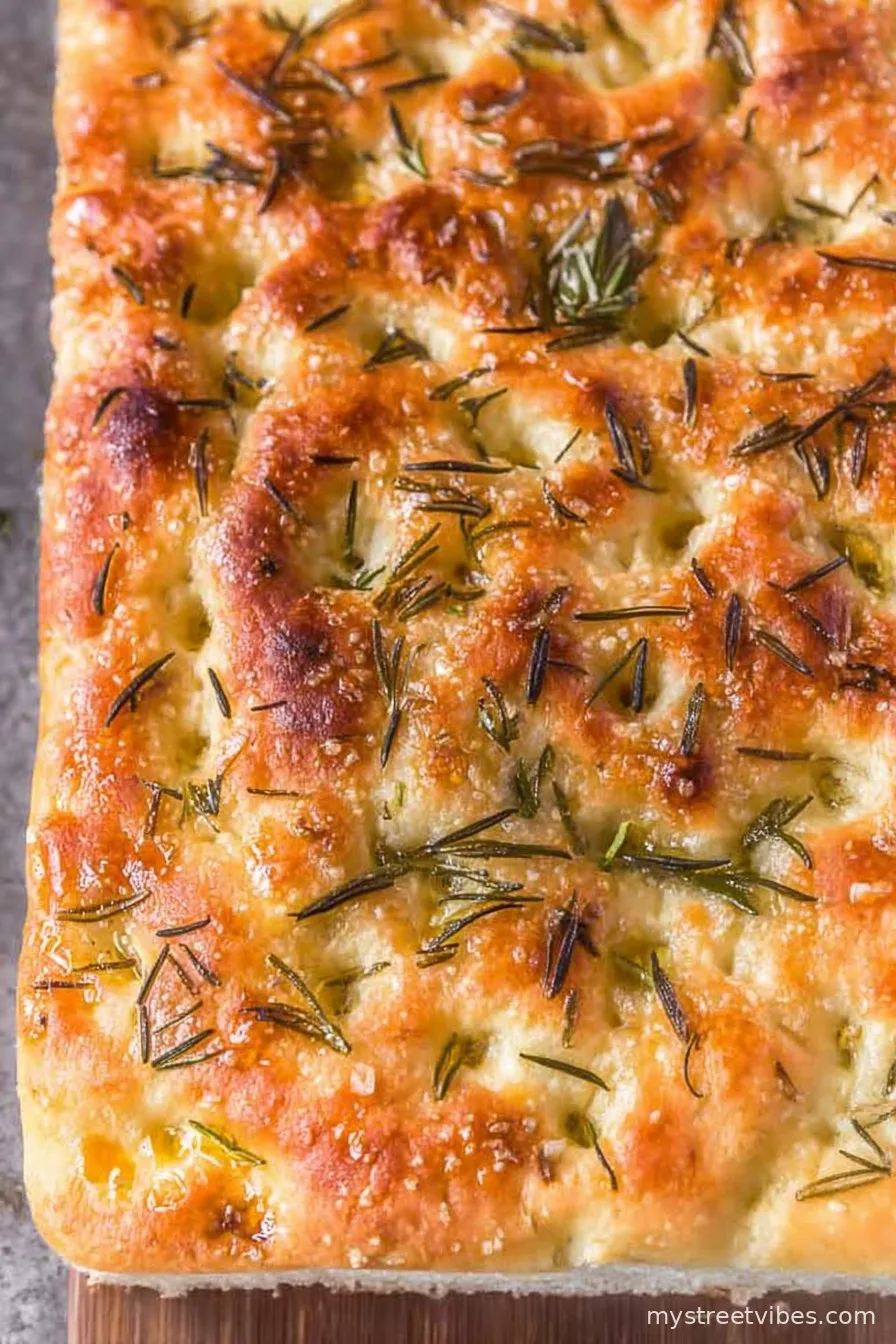
- Poke dimples all over the top with your fingers; this is the fun bit (and the kids love this job). Pour on a bit more olive oil, sprinkle with sea salt, throw over rosemary as generously or as scantily as you like. I sometimes forget the rosemary—it’s still lovely.
- Bake at 220°C (about 425°F) for 20-25 minutes, give or take. When it’s gold on top (and the bottom sounds a bit hollow when you smack it), you’re laughing. Cool for at least 10 minutes, unless you like burning your tongue. Which, guilty, sometimes I do—too tempting.
Notes Form Someone Who’s Messed Up Before
- If the dough’s sticky, flour your hands. If it’s dry, add a splash of water. Simple.
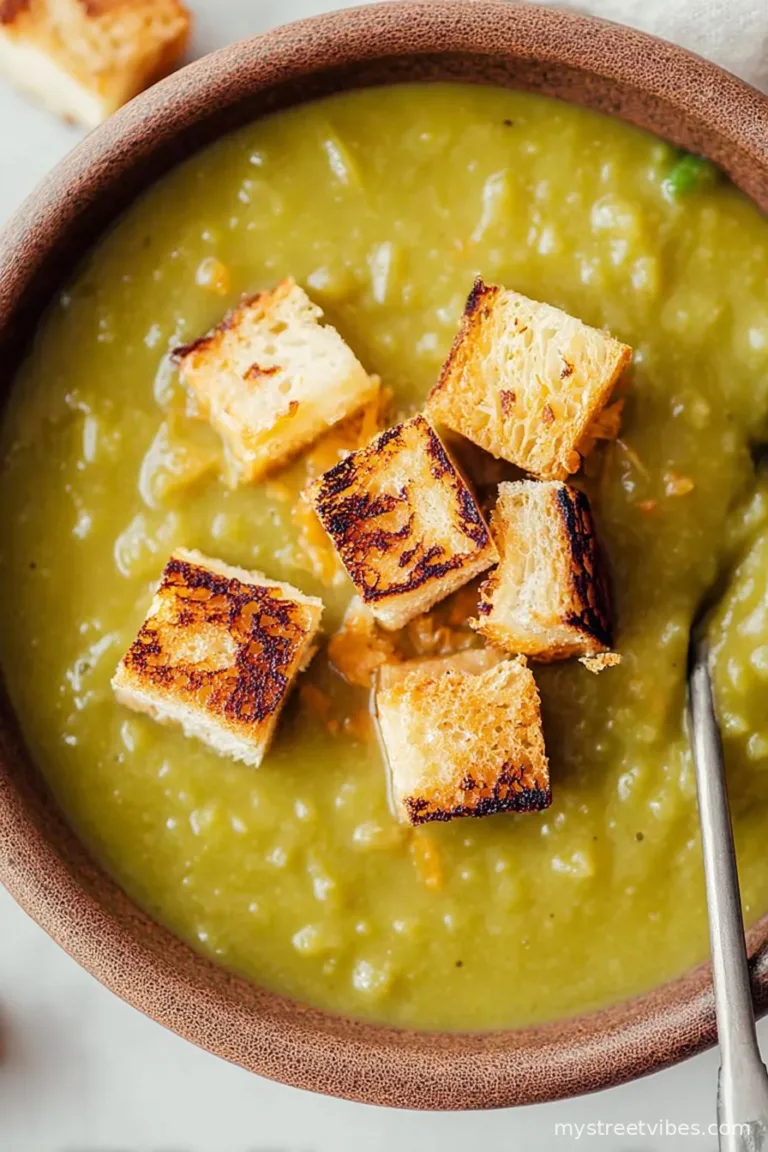
- Once I overdid the olive oil and it turned out almost fried on the edges, but surprisingly great with soup. Happy accident!
- Actually, a long rest (overnight rise in the fridge) makes it ridiculously fluffy, but most days I’m not that organised.
Things I’ve Tried: Variations and Honest Experiments
- Caramelised onions on top? Delicious, but I burnt them once by not paying attention—watch those bits.
- Cherry tomatoes shoved into the dough before baking (tart and juicy, though the kids pick them all out—oh well)
- Once tried to do it sweet with cinnamon sugar. It… did not work. Let’s pretend that never happened.
- I sometimes skip the rosemary if I run out and toss on some parmesan instead, which is, not to brag, kind of genius.

What You (Sorta) Need, but Not Really
- Baking tray (use a cake tin if that’s what you’ve got—just oil it a bit more so it doesn’t stick)
- Basic mixing bowl
- Something to cover the dough—a clean tea towel works just fine. Cling film if you’re feeling fancy.
Honestly, I once used a pizza stone and it worked out well, just came out round. So, you know. Don’t stress!
How I Store It (Or Don’t, To Be Honest)
Say you actually have leftovers (not likely; in my house, it rarely survives the night). Keep it in a lidded container, and it’s decent the next day. If it does go a bit dry, I splash some water on it and pop it in a hot oven for a few minutes—revives it a treat. Freezes well enough, but I usually forget it’s there until someone’s raided the bread drawer.
How I Like To Serve Focaccia (And My Family’s Odd Traditions)
I love it warm, ripped up with a bowl of olive oil and balsamic on the side—bit posh, but why not? My kids slather it in butter and make focaccia “sandwiches” with cheese. Once, we even dunked it in tomato soup on a rainy Tuesday—game changer.
Pro Tips From Someone Who’s Ruined Bread Before
- I once rushed the second rise and my bread came out dense as a doorstop. Let it puff—even if you’re impatient.
- Don’t be shy with the olive oil on top. It really is better to slightly overdo it than underdo. Trust me—I’ve tried both.
- If you’re using dried herbs, maybe go light? I’ve dumped way too much oregano before. Kinda overwhelmed the bread.
FAQ—Stuff Friends Have Actually Asked Me
- Can I make this without yeast, like with baking powder?
Honestly, it won’t be focaccia—more like flatbread. Yeast really does its thing here. - Do I have to use rosemary?
Not at all! Use whatever herbs you like, or none. It’s forgiving—I sometimes just sprinkle sea salt and that’s plenty. - How do you get those big bubbles?
Actually, a wetter dough and a longer rise help (overnight in the fridge is best, if you remember), but you’ll get good bread either way. - Can I double the recipe?
You can! Just use a bigger tray or divide between two, but definitely keep an eye on the bake time—my oven’s a bit of a wild card so yours might be too. - Is it meant to be soft or crunchy?
Both! The edge should be crisp with a fluffy middle. If it’s all crust, probably baked it too long.
There you have it. This bread might not solve all your problems, but it sure makes a dent in hunger—and moods. Go on, give it a bash and don’t stress if it’s a bit wonky. Tastes even better when you’re laughing about the mess. Actually, on second thought—maybe double it from the get-go.
Ingredients
- 3 1/2 cups all-purpose flour
- 1 1/4 cups warm water (about 110°F)
- 1 packet (2 1/4 teaspoons) active dry yeast
- 1 teaspoon sugar
- 1/4 cup extra virgin olive oil, plus more for drizzling
- 2 teaspoons sea salt, plus more for sprinkling
- 2 tablespoons fresh rosemary leaves, chopped
- 1/2 teaspoon flaky salt, for topping
Instructions
-
1In a large bowl, combine warm water, sugar, and yeast. Let sit for 5 minutes until foamy.
-
2Add flour, sea salt, and 1/4 cup olive oil to the bowl. Mix until a sticky dough forms.
-
3Transfer the dough to a lightly oiled bowl, cover, and let rise in a warm place for 1 hour or until doubled in size.
-
4Preheat the oven to 425°F (220°C). Transfer the dough to a greased 9×13-inch baking pan and gently stretch it to fit. Let the dough rest for 15 minutes.
-
5Drizzle more olive oil over the dough, dimple the surface with your fingertips, and sprinkle with rosemary and flaky salt.
-
6Bake for 22-25 minutes until golden brown. Let cool slightly before slicing and serving.
CLICK FOR NUTRITION INFO
↑
Approximate Information for One Serving
Serving Size:
1 serving
Calories:
210 caloriescal
Protein:
5gg
Fat:
7gg
Saturated Fat:
0g
Trans Fat:
0g
Cholesterol:
0mg
Sodium:
0mg
Potassium:
0mg
Total Carbs:
31gg
Fiber:
0g
Sugar:
0g
Net Carbs:
0g
Vitamin A:
0
Vitamin C:
0mg
Calcium:
0mg
Iron:
0mg
Nutrition Disclaimers
Number of total servings shown is approximate. Actual number of servings will depend on your preferred portion sizes.
Nutritional values shown are general guidelines and reflect information for 1 serving using the ingredients listed, not including any optional ingredients. Actual macros may vary slightly depending on specific brands and types of ingredients used.
To determine the weight of one serving, prepare the recipe as instructed. Weigh the finished recipe, then divide the weight of the finished recipe (not including the weight of the container the food is in) by the desired number of servings. Result will be the weight of one serving.
Did you make this recipe?
Please consider Pinning it!!