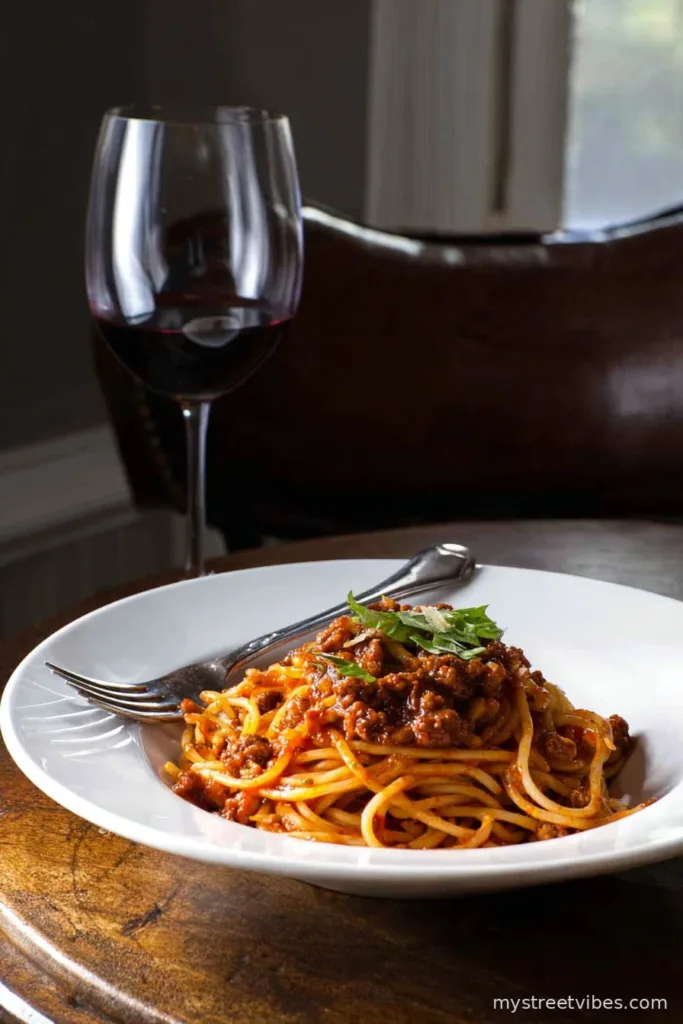
Alright, You’re Getting My One-Pot Pasta Secret
If you’d asked me ten years ago what meal I’d make on a night when everything’s gone sideways (keys lost, toddler crying, dog dramatically sighing at the door), I would probably mumble “cereal”. But then I discovered one-pot spaghetti and meat sauce. It kinda happened by accident—ran out of clean pots and, well, here we are. Funny enough, the first time I tried it, I forgot to break the spaghetti in half. Little detail, big mess. Now, my kitchen wouldn’t be complete without that memory stuck on the ceiling! Anyway, I cook this so often my neighbours can probably recite the directions. Let’s dive in, mate.
Why You’ll Love This Dish (Trust Me, I Do!)
I make this when my brain’s running on fumes, but I still want something better than takeout (because let’s be honest, I don’t love paying delivery fees). My family basically lines up in the kitchen, bowls in hand. It’s a dinner everyone actually agrees on, which, in a house with two picky eaters and someone who “doesn’t trust red sauce,” feels like a miracle. Sometimes I worry it’s too simple, but then, honestly, isn’t simple what we all need sometimes? Oh, and you only have to wash ONE pot. If you can beat that, please tell me how.
Here’s What Goes In (But You Can Swap a Bit)
- 500g (about 1 lb) ground beef, pork, or a mix (sometimes I use turkey—nobody notices)
- 1 onion, chopped (I admit, I’ve skipped this before; not the end of the world)
- 2-3 cloves garlic, minced (my friend Molly just uses garlic powder and swears it’s fine)
- 1 jar (24 oz) of tomato pasta sauce (Grandma used fancy imported stuff, but any cheap jar does the trick)
- 3 cups water (or use stock for a bit more oomph)
- 400g (about 14 oz) dry spaghetti (if all you have is linguine, that works too)
- Salt and pepper—just wing it, honestly
- 1 tsp dried basil or oregano (fresh is lovely, but who has time?)
- Optional: pinch of chili flakes (for a bit of pizzazz)
- Grated Parmesan to finish (I just say “enough to make you happy”)
How I Actually Make It (Not Always By The Book)
- Grab a big ol’ pot—like, Dutch oven size. Toss in your meat over medium-high heat. Brown it, stirring now and then. (Draining the fat? Sometimes. Depends how my day’s been.)
- Once the meat isn’t pink, throw in the chopped onion. Cook till it’s softish, 3-ish minutes. This is the step where the kitchen starts smelling fantastic. Add your garlic now, and cook maybe a minute more. (Watch it, burnt garlic = sadness.)
- Pour in the jar of tomato sauce and water. Give everything a stir. Now, snap the spaghetti in half (if you don’t, you’ll have wild spaghetti snakes everywhere) and nestle the pasta down so it’s mostly under the liquid. Little bits poking out? Totally okay, they’ll soften in a jiffy.
- Sprinkle in the salt, pepper, dried herbs, and chili flakes if you’re feeling bold. Stir and bring it all to a not-scary boil.
- Dial heat back to a simmer. Cover and cook for 12-15 minutes, giving it a gentle stir every couple mins—this is where I usually sneak a forkful, just to check “doneness.”
- When the pasta’s cooked and it looks saucy but not watery, you’re golden. If it gets too thick, splash in a little more water. Too soupy? Take off the lid and let it bubble a bit longer.
- Serve with heaps of Parmesan. And maybe a twist of black pepper if you’re feeling fancy.
Notes (The Hard-Won Wisdom Section)
- Once I used angel hair by mistake—disaster. It clumps. Stick with regular spaghetti or linguine.
- If your pasta sticks a little, just scrape the sides as you stir—it’s not worth calling the fire brigade.
- This guide from Serious Eats kinda changed my technique for the better, just in case you want to nerd out.
- Sometimes I stir in a handful of spinach at the end. It wilts and makes me feel like I’ve eaten a vegetable.
Variations I’ve Tried (And, Uh, One That Failed)
- Tried swapping the beef for mushrooms. Actually works great and makes it veggie-friendly.
- Added cream cheese instead of Parmesan once—honestly, too gloopy. Wouldn’t recommend unless you love sticky pasta.
- You can add some frozen peas in the last 4 minutes; the kids weirdly love it.
- Sometimes I use half beef, half sausage. The flavor goes bonkers (in a good way).
You Don’t Need Fancy Equipment (Really)
A big pot with a lid is ideal. But if you just have a deep frying pan with a makeshift cover—use that. A friend even covered hers with foil once (don’t tell the cookware police!).
How It Stores (If There’s Any Left)
I always say “this will be lunch tomorrow”—but, in reality, it rarely survives the night. If you have superhuman willpower (or a smaller household), shove leftovers in a Tupperware and it’ll keep for two days in the fridge. It reheats nicely, just add a splash of water before microwaving. Actually, I think it tastes better the next day—probably all those flavors getting chatty together.
How We Serve It Up (Yours Can Be Different!)
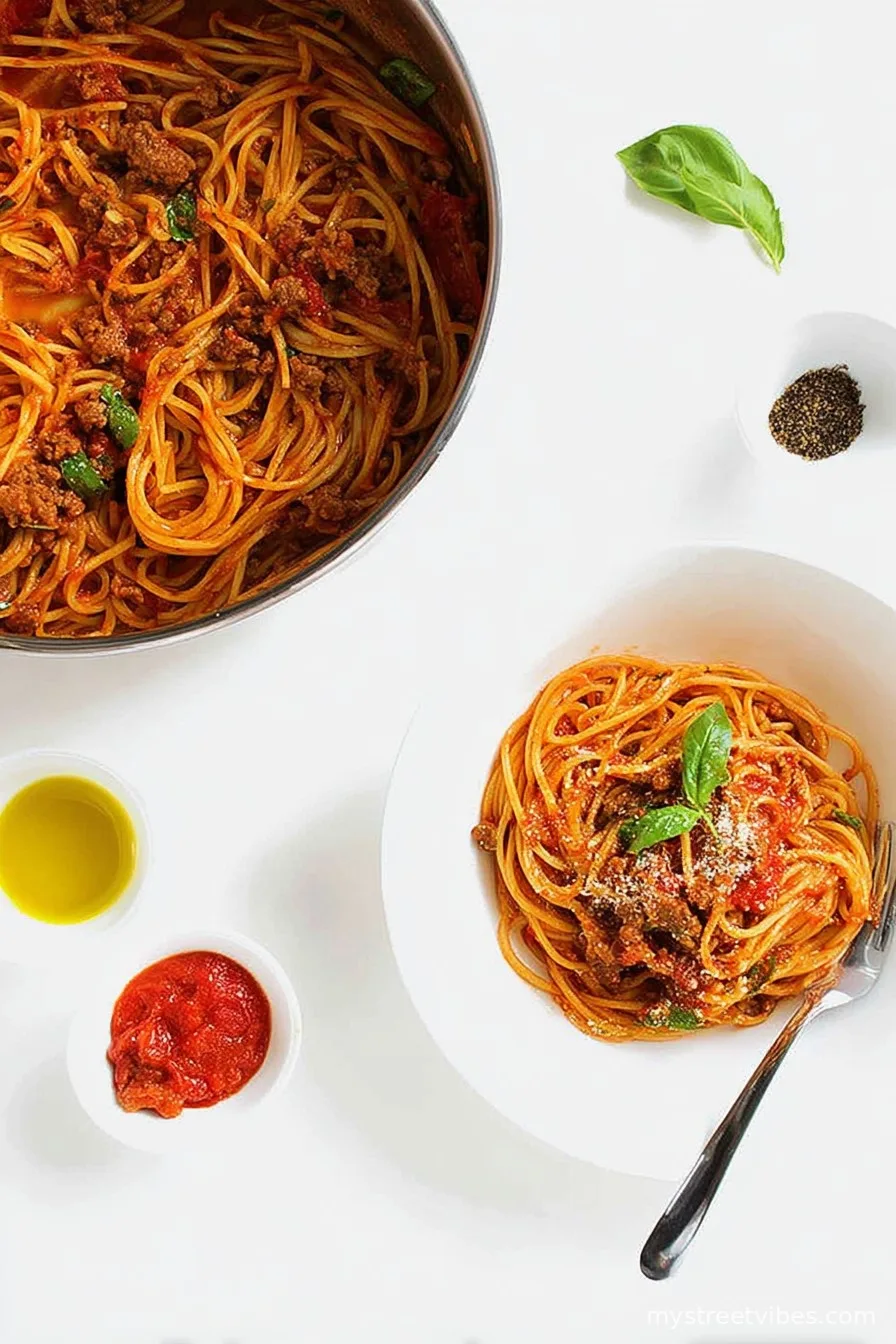
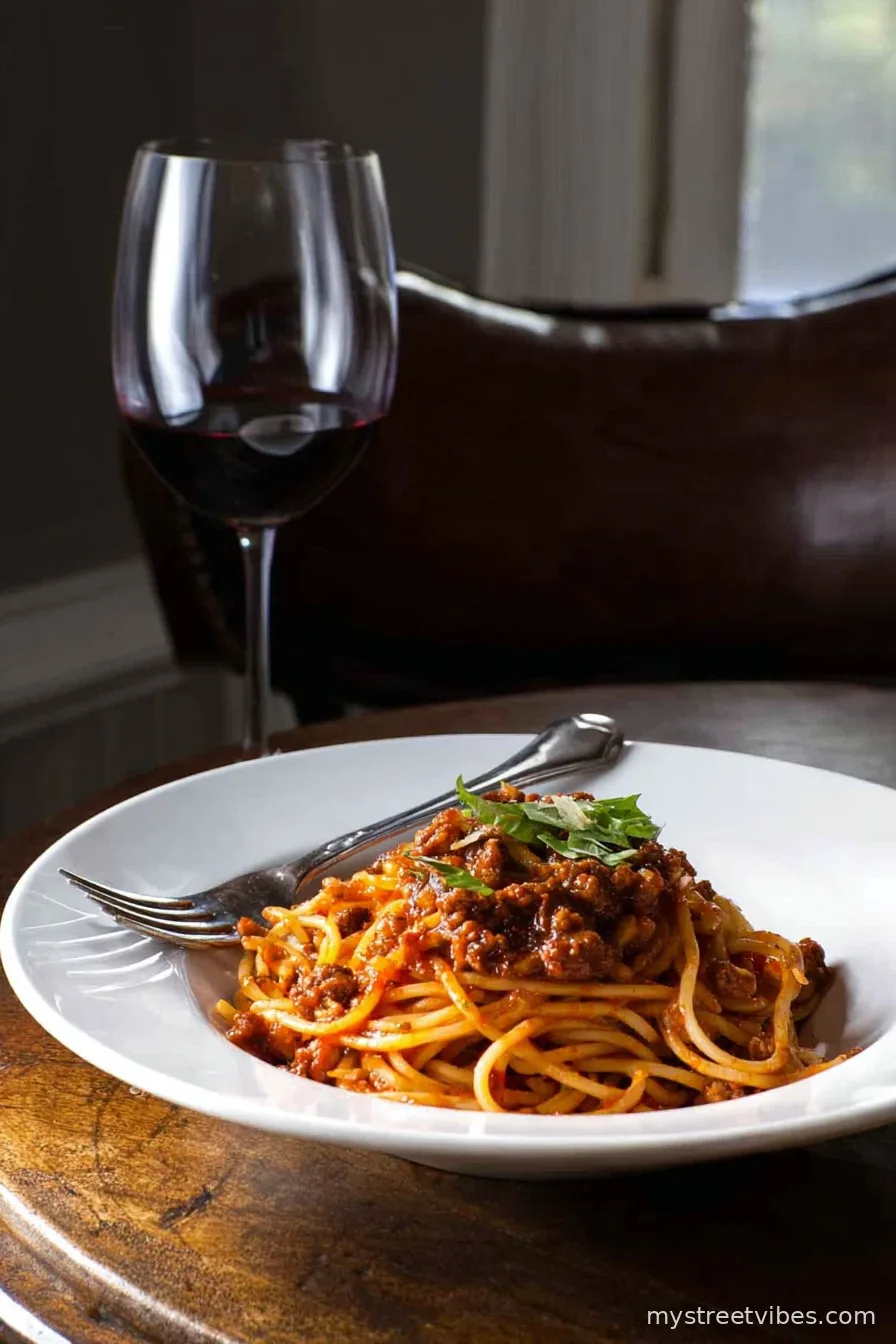
Growing up, my mum always plopped this in bowls and scattered fresh basil on top. I serve it “family style” in one big dish, mostly because fewer dishes = more time for literally anything else. Garlic bread on the side gets cheers, salad gets ignored. For special nights (or to really impress my in-laws), I toss a homemade Caesar salad into the mix.
My Best Pro Tips (Learned the Hard-ish Way)
- I once tried to rush the simmer and ended up with crunchy noodles on the bottom. Just give it the full 12-15 minutes.
- If you leave the lid off for too long, the sauce disappears (literally, it’s vanished on me)—so keep it covered unless thickening at the end.
- Use more water than you think at first; you can always cook it off, but dry pasta is pretty unforgiving.
FAQ (Straight From My Inbox & Kitchen Table)
Can I use gluten-free pasta? — Sure! Just watch the timing. It cooks faster and might get a bit mushy. Maybe start with 10 minutes and check.
Do I have to brown the meat first? — I’d say yes, otherwise it gets kinda gray and the flavor doesn’t pop. That said, I get being in a rush—just do a quick fry if you’re desperate.
What brand of pasta sauce do you really use? — Okay, confession: whatever’s on sale. Seriously. I fancy myself a connoisseur but, at the end of the day, it’s all good here.
Can you freeze it? — You can… but honestly, the pasta goes a bit odd once thawed. If you’re not picky, it works. If you are, maybe freeze just the sauce and make fresh noodles later.
And there you go! (If you actually finish reading this, let me know—I owe you a bowl, or at least a virtual high five.) If you want more one-pot wizardry, check out Budget Bytes for loads of ideas. Now, go conquer your kitchen, or at least get dinner done without breaking a sweat.
Ingredients
- 1 pound ground beef
- 12 ounces spaghetti, uncooked
- 1 small onion, diced
- 3 cloves garlic, minced
- 1 can (28 ounces) crushed tomatoes
- 3 cups beef broth
- 2 tablespoons tomato paste
- 1 teaspoon dried oregano
- 1 teaspoon dried basil
- 1/2 teaspoon salt
- 1/4 teaspoon black pepper
- 2 tablespoons olive oil
- Grated Parmesan cheese, for serving
- Fresh chopped parsley, for garnish
Instructions
-
1Heat olive oil in a large pot over medium heat. Add onion and cook until softened, about 2-3 minutes. Stir in garlic and cook for an additional 30 seconds.
-
2Add ground beef to the pot. Cook, breaking it apart with a spoon, until browned and no longer pink. Drain excess fat if necessary.
-
3Stir in tomato paste, crushed tomatoes, beef broth, oregano, basil, salt, and black pepper. Mix well.
-
4Break spaghetti in half and add to the pot. Gently stir, ensuring pasta is mostly submerged in liquid.
-
5Bring to a simmer, cover, and cook for 12-15 minutes, stirring occasionally, until pasta is tender and sauce has thickened.
-
6Serve hot, topped with grated Parmesan and chopped parsley.
CLICK FOR NUTRITION INFO
↑
Approximate Information for One Serving
Serving Size:
1 serving
Calories:
540cal
Protein:
28 gg
Fat:
18 gg
Saturated Fat:
0g
Trans Fat:
0g
Cholesterol:
0mg
Sodium:
0mg
Potassium:
0mg
Total Carbs:
63 gg
Fiber:
0g
Sugar:
0g
Net Carbs:
0g
Vitamin A:
0
Vitamin C:
0mg
Calcium:
0mg
Iron:
0mg
Nutrition Disclaimers
Number of total servings shown is approximate. Actual number of servings will depend on your preferred portion sizes.
Nutritional values shown are general guidelines and reflect information for 1 serving using the ingredients listed, not including any optional ingredients. Actual macros may vary slightly depending on specific brands and types of ingredients used.
To determine the weight of one serving, prepare the recipe as instructed. Weigh the finished recipe, then divide the weight of the finished recipe (not including the weight of the container the food is in) by the desired number of servings. Result will be the weight of one serving.
Did you make this recipe?
Please consider Pinning it!!