
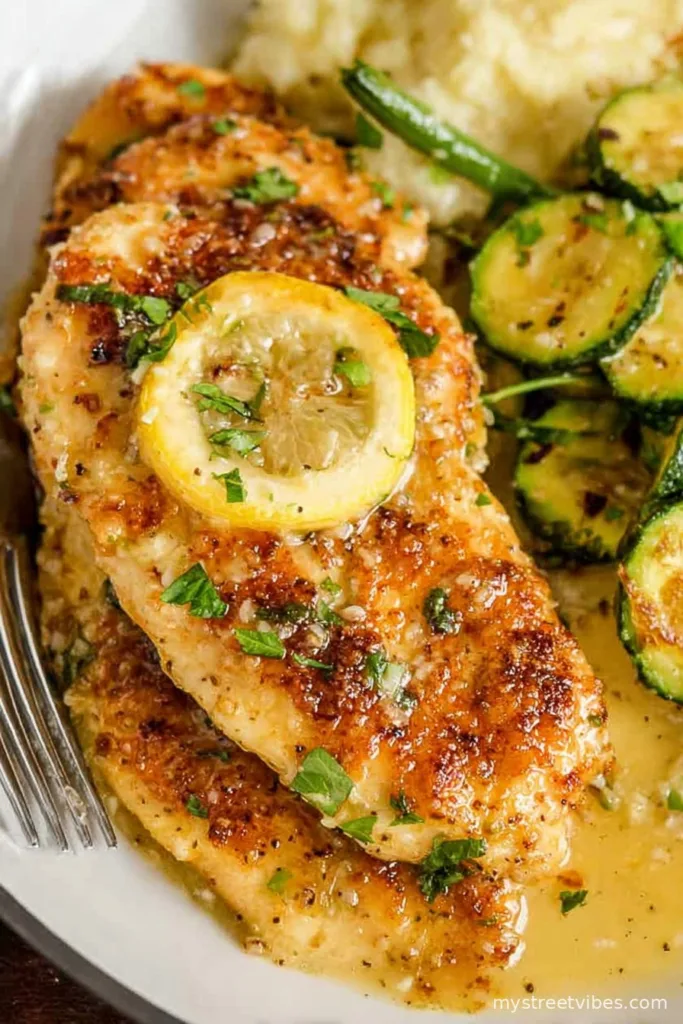
Lemon Chicken That Reminds Me of Family Night
I have to tell you, every time I make this Lemon Chicken recipe with lemon butter sauce, I feel like I’m right back in my mum’s kitchen, unintentionally singing along to some cheesy pop (badly, I might add). The first time I ever made it, I forgot to zest the lemon and just chucked the whole thing in—fortunately, no lasting damage, but the look my partner gave me? Priceless. Now it’s pretty much a permanent fixture at family meals—especially when I want something a little fancy, but not have to go full MasterChef. Also, I get to use my favorite skillet, which has seen far better days but still gets the job done just fine (like me before coffee).
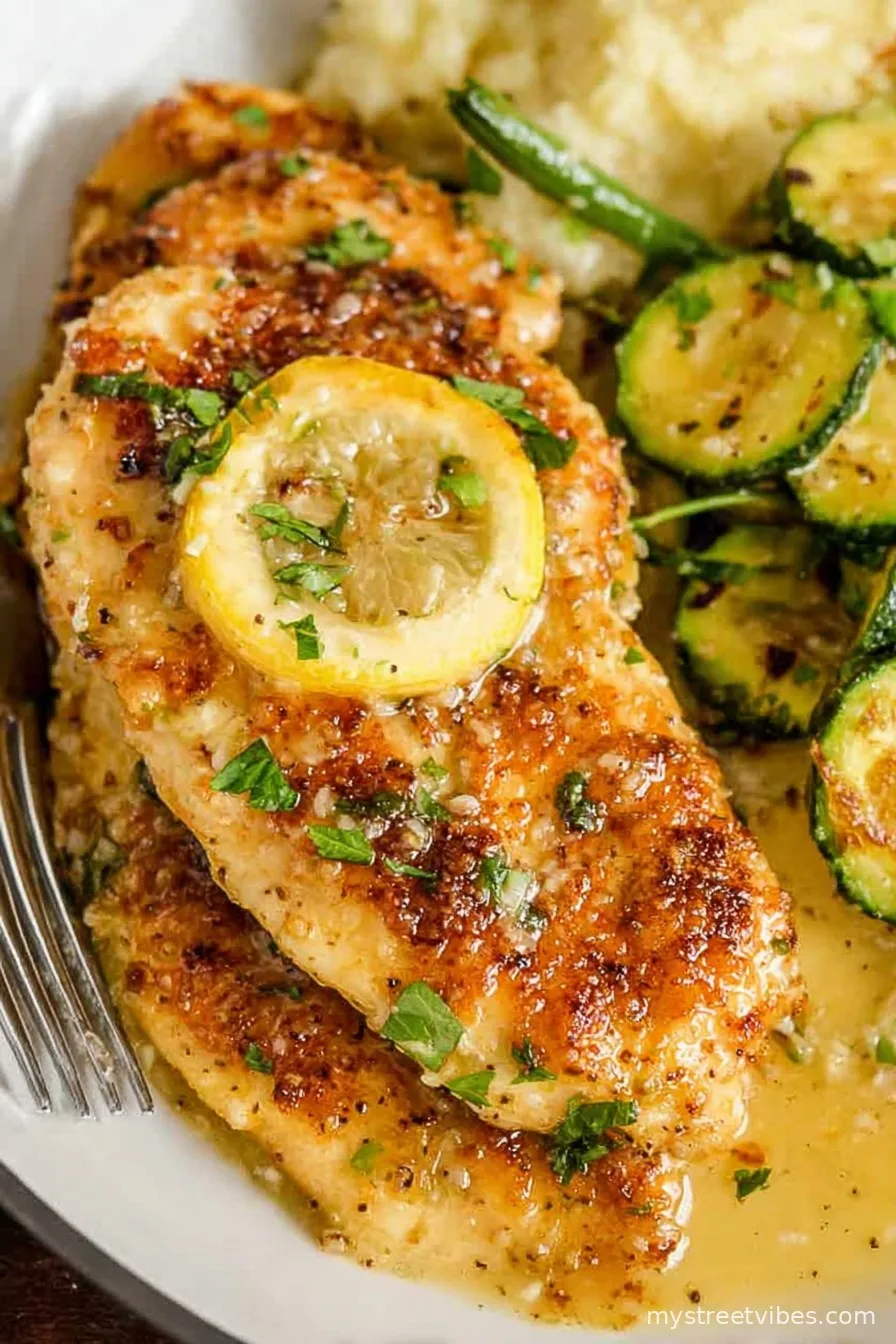
Why You’ll Love This Lemon Chicken (According to My Crew)
I whip this up when I want to impress guests but also not break a sweat. My family goes absolutely nuts for it (unless I go too heavy on the garlic—learned that the hard way). Also, on those weird evenings when there’s not much in the fridge except a pack of chicken and, if I’m lucky, a lonesome lemon, this is my go-to rescue meal. The sauce is zingy but soothing, perfect when you want dinner to taste like sunshine (or at least like the weekend). Truth is, it comes together pretty quick after a bit of practice—though my son once told me the leftovers are even better, so who am I to argue?
Here’s What You’ll Need (or What I Usually Dig Out)
- 4 boneless, skinless chicken breasts (or thighs if you like them better—my aunt swears by thighs, and maybe she’s right)
- Salt and black pepper, to taste (don’t panic if you forget the black pepper; it’ll survive)
- 1/2 cup plain flour (sometimes I use cornstarch if I run out; it’s fine)
- 2 tablespoons olive oil (or, honestly, any cooking oil—don’t stress)
- 3 tablespoons butter (unsalted is ideal, but salted works, just ease up a bit on extra salt)
- 4 garlic cloves, minced (okay, sometimes I just crush them up a bit if I’m in a rush)
- Zest of 1 lemon (or just a really good grate—no shame if you miss a spot or two)
- 1/3 cup chicken broth (low sodium if you remember; water and a stock cube if you don’t)
- 1/3 cup fresh lemon juice (usually 1–2 lemons, and yes, I’ve used bottled before—it’s okay in a pinch)
- 1 teaspoon honey (Sometimes I use a big squeeze, sometimes I barely measure, depends on how sweet I’m feeling)
- Chopped fresh parsley, to serve (totally optional—sometimes I forget and nobody complains)
How To Make It (No Stress, Promise)
- Pound the Chicken (Therapeutic, Really): Pop your chicken breasts between some cling film and bash them with a rolling pin or pan until they’re about 1.5–2cm thick. Or don’t—just cook a bit longer. Then sprinkle both sides with salt and pepper.
- Dredge and Sear (Here’s Your Sizzle): Grab the flour and throw it onto a shallow plate. Lightly coat the chicken pieces in flour, shaking off the excess (sometimes I do this in a zip-top bag, which is way less messy). Heat your olive oil in a large skillet over medium-high heat. Cook the chicken for 3–4 minutes per side till golden and just cooked through—sometimes it takes longer, so peek inside a piece if you’re not sure. Remove to a warm plate. Try not to just eat it yet.
- Make the Sauce (Don’t Walk Away): Drop your butter into the same pan, melt it down, then toss in the garlic. Let that go about 30 seconds, just to soften and start smelling good—don’t let it burn, though! Stir in the lemon zest, chicken broth, and lemon juice. Let it all bubble (just a little) for two or three minutes, scraping up the tasty brown bits. Add the honey (this is where I usually sneak a taste—careful, it’s hot!). If you taste and feel like it needs a pinch more salt or something else, trust your gut.
- Bring It All Together: Put the chicken back in the pan, let it swim in the sauce for a minute or two. Flip the pieces to coat them—if you’re feeling fancy, you can spoon the sauce over the top a lot, but sometimes I’m too hungry to bother. Sprinkle with parsley and serve. If it looks a bit too thin or thick, don’t worry—it sorts itself out on the plate.
Stuff I’ve Noticed (AKA Notes)
- Don’t get too hung up on exact lemons; the bottled stuff works if you’re in a jam. Actually, I find it works better if you cut back the honey a touch when using bottled juice.
- If the sauce looks separated, just whisk it a bit more or add a splash of hot water—don’t panic, it happens to everyone.
- If you overcook the chicken, the sauce still saves it. Trust me, been there!
Variations I’ve Tried (and One Flop)
- Chicken thighs instead of breasts are a favorite with my husband. They stay juicier, I think.
- I sometimes add a splash of white wine with the broth—just don’t use the weird cooking wine in the plastic bottle (ask me how I know).
- Tried using lime instead of lemon once—too sharp for my taste, but hey, maybe you’ll like it?
- For extra crunch, I’ve dredged the chicken in panko crumbs; it’s honestly a fun twist.

What If I Don’t Have Fancy Tools?
I say don’t sweat it if you don’t have a meat mallet—honestly, I use the bottom of a mug sometimes. Big skillet? Great. Small one? Just cook in batches (means more little bites while you ‘taste test’ stuff—bonus). No garlic press? Smash with the side of the knife.
Leftover Thoughts (Storing the Stuff)
Stick leftovers in an airtight tub and pop it in the fridge; should be fine for a couple days. That’s what they say, anyway—I wouldn’t know, since in my house it never lasts more than a day (not even cold!). But if you do manage to hide some, the sauce thickens up nicely in the fridge.
How I Like to Serve This
Usually I pile it over some fluffy rice because it soaks up the sauce like magic. Or, garlic mash (when I’m feeling ambitious). My youngest insists on peas with it (don’t ask me why), while I go for a big salad—sometimes with way too much feta chucked on, if I’m being honest.
Pro Tips I Learnt The Hard Way
- Don’t rush searing the chicken! I once turned up the heat full-blast so dinner would be faster, and the outside was burnt while the inside was raw—yikes.
- If you forget to zest the lemon before juicing, it’s not the end of the world, but you’ll wish you’d done it in the right order.
- Honestly, the sauce tastes even better next day. Sometimes I make extra just for sandwiches.
FAQ (Because People Love to Ask…)
- Can I make this ahead of time?
- Sure, you can—just keep the chicken and sauce separate till you’re ready to eat, then warm gently. (The chicken can get a bit firm if you nuke it, though—just saying.)
- What if my chicken isn’t cooked through?
- No panic—just toss it back in the sauce and cook gently till it’s not pink inside. I’ve had to do that more than once!
- Can I use dried parsley?
- You can, but fresh is nicer. If you skip it altogether, life goes on.
- Is there a dairy-free version?
- Actually, I tried swapping the butter for a vegan spread once; not quite as rich, but gets the job done. A drizzle of good olive oil at the finish helps, too.
- Why is my sauce so pale/thin?
- Probably needs a touch longer to simmer. Or maybe you didn’t get enough brown bits form the pan—that’s half the magic! Next time, let it go a bit longer before adding the broth.
If you end up with a lemon leftover, just stick a wedge in your water for that smug ‘I eat healthy’ vibe. Anyway, hope you love this as much as my lot does—even when I mess up a step or two!
Ingredients
- 4 boneless, skinless chicken breasts (or thighs if you like them better—my aunt swears by thighs, and maybe she’s right)
- Salt and black pepper, to taste (don’t panic if you forget the black pepper; it’ll survive)
- 1/2 cup plain flour (sometimes I use cornstarch if I run out; it’s fine)
- 2 tablespoons olive oil (or, honestly, any cooking oil—don’t stress)
- 3 tablespoons butter (unsalted is ideal, but salted works, just ease up a bit on extra salt)
- 4 garlic cloves, minced (okay, sometimes I just crush them up a bit if I’m in a rush)
- Zest of 1 lemon (or just a really good grate—no shame if you miss a spot or two)
- 1/3 cup chicken broth (low sodium if you remember; water and a stock cube if you don’t)
- 1/3 cup fresh lemon juice (usually 1–2 lemons, and yes, I’ve used bottled before—it’s okay in a pinch)
- 1 teaspoon honey (Sometimes I use a big squeeze, sometimes I barely measure, depends on how sweet I’m feeling)
- Chopped fresh parsley, to serve (totally optional—sometimes I forget and nobody complains)
Instructions
-
1Pound the Chicken (Therapeutic, Really): Pop your chicken breasts between some cling film and bash them with a rolling pin or pan until they’re about 1.5–2cm thick. Or don’t—just cook a bit longer. Then sprinkle both sides with salt and pepper.
-
2Dredge and Sear (Here’s Your Sizzle): Grab the flour and throw it onto a shallow plate. Lightly coat the chicken pieces in flour, shaking off the excess (sometimes I do this in a zip-top bag, which is way less messy). Heat your olive oil in a large skillet over medium-high heat. Cook the chicken for 3–4 minutes per side till golden and just cooked through—sometimes it takes longer, so peek inside a piece if you’re not sure. Remove to a warm plate. Try not to just eat it yet.
-
3Make the Sauce (Don’t Walk Away): Drop your butter into the same pan, melt it down, then toss in the garlic. Let that go about 30 seconds, just to soften and start smelling good—don’t let it burn, though! Stir in the lemon zest, chicken broth, and lemon juice. Let it all bubble (just a little) for two or three minutes, scraping up the tasty brown bits. Add the honey (this is where I usually sneak a taste—careful, it’s hot!). If you taste and feel like it needs a pinch more salt or something else, trust your gut.
-
4Bring It All Together: Put the chicken back in the pan, let it swim in the sauce for a minute or two. Flip the pieces to coat them—if you’re feeling fancy, you can spoon the sauce over the top a lot, but sometimes I’m too hungry to bother. Sprinkle with parsley and serve. If it looks a bit too thin or thick, don’t worry—it sorts itself out on the plate.
CLICK FOR NUTRITION INFO
↑
Approximate Information for One Serving
Serving Size:
1 serving
Calories:
370cal
Protein:
37 gg
Fat:
18 gg
Saturated Fat:
0g
Trans Fat:
0g
Cholesterol:
0mg
Sodium:
0mg
Potassium:
0mg
Total Carbs:
17 gg
Fiber:
0g
Sugar:
0g
Net Carbs:
0g
Vitamin A:
0
Vitamin C:
0mg
Calcium:
0mg
Iron:
0mg
Nutrition Disclaimers
Number of total servings shown is approximate. Actual number of servings will depend on your preferred portion sizes.
Nutritional values shown are general guidelines and reflect information for 1 serving using the ingredients listed, not including any optional ingredients. Actual macros may vary slightly depending on specific brands and types of ingredients used.
To determine the weight of one serving, prepare the recipe as instructed. Weigh the finished recipe, then divide the weight of the finished recipe (not including the weight of the container the food is in) by the desired number of servings. Result will be the weight of one serving.
Did you make this recipe?
Please consider Pinning it!