
Let Me Tell You About This Pork Tenderloin (And My Mild Obsession)
You ever have one of those recipes that you make so often, your family starts joking that you have pork running through your veins? Yep, that’s me with this seriously juicy baked pork tenderloin. I still laugh about the first time I made it—ended up with a pork hockey puck; figured I was doomed. But I learned (after a slightly dramatic sigh and a well-placed “never again!”) that a little patience and not treating pork like a tough old boot is sort of key. These days, it’s my save-the-day supper—those times the fridge is almost empty, or my brother-in-law swings by “unexpectedly,” which, surprise, is like every other Sunday. And the weirdest thing? My cat goes a bit bonkers when this is in the oven. I think it’s the rosemary.

Why I Keep Coming Back to This
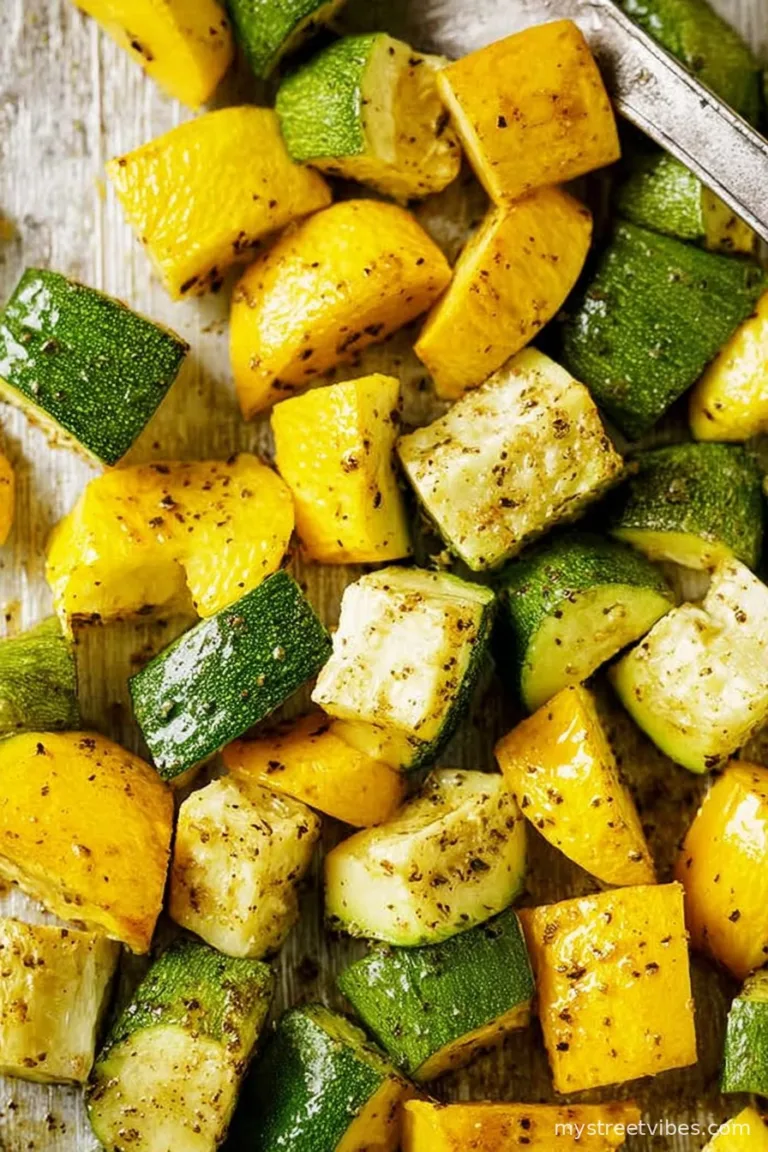
I make this when I want to feel like a kitchen superstar but don’t want to think too hard after work (honestly, who does?). My crew goes nuts over it because it’s got that golden, almost roasted edge and still stays juicy inside. Even my very opinionated aunt, who thinks her pork roast puts everything else to shame, has—grudgingly—asked for seconds. (She said it was “fine” but I saw her scraping the pan for more bits.) Plus, it’s a game-changer if you hate cleaning endless dishes; you can roast veggies in the same tray. I really, really dislike dry pork, by the way—so this recipe is my rebel yell against chewy meat. Oh—and did I mention lefties are even better? Like, cold straight from the fridge at midnight better.
What You’ll Need (Sub-ins Totally Welcome)
- 1 to 1.5 pounds pork tenderloin (I occasionally grab the pre-trimmed kind, but honestly just trim any silver skin you see)
- 2 tablespoons olive oil (I’ve used melted butter instead in a pinch—no one noticed)
- 1 tablespoon Dijon mustard (sometimes swap for regular yellow if that’s all I’ve got—my cousin swears by honey mustard, but it’s sweeter)
- 3 cloves garlic, minced (I’ve lazed out with garlic powder, about 1 teaspoon; works in a pinch)
- 1 teaspoon kosher salt (table salt works, though use a bit less)
- 1/2 teaspoon fresh cracked black pepper
- 1 teaspoon dried rosemary (sometimes I throw in thyme, or a mixture when I’m feeling fancy)
- 1/2 teaspoon paprika (smoked is great, but sweet paprika does the job)
- 1 tablespoon brown sugar (optional, but great for that slight caramelized crust)
Alright, Here’s How I Make It (With Plenty of Wiggle Room)
- Preheat your oven to 425°F (220°C). Yes, that high—trust me. You’re aiming for a big blast of heat; it helps keep things juicy.
- Pat your pork tenderloin with some paper towels ’til it’s, well, pretty dry. Not desert-level, but you know.
- Mix the olive oil, Dijon mustard, garlic, salt, pepper, rosemary, paprika, and brown sugar together in a little bowl. (This is where I usually sneak a taste. Shhh.)
- Rub the whole pork tenderloin with your mustardy mixture. Use your hands, get messy—it’s actually the fun part. Put it on a baking tray or any old roasting pan. Line with foil if you really hate scrubbing pans, like me.
- Roast in the oven, totally uncovered. Give it about 20–23 minutes for 1 pound, maybe close to 25 for the bigger guys. Don’t panic if it looks a bit odd at this point—sometimes it gets kind of puffy. I use a thermometer and aim for 145°F in the thickest bit (sometimes a notch above if that’s your thing).
- Take it out and, seriously, let it rest for at least 8–10 minutes. I always want to skip this but every time I don’t, I’m reminded why it’s important; let those juices chill out, trust me.
- Slice across the grain, steal a piece before anyone sees, and serve with the pan juices drizzled over. Mmm. Good stuff.

Notes (A.K.A. Stuff I Wish I’d Known Sooner)
- I tried skipping the browning step (didn’t mention it above), but honestly, at this high temp it gets enough color as-is. Browning in a skillet first sounds nice but I find it dries out a bit. Maybe that’s just me.
- Sometimes the brown sugar makes the bottom look darker—don’t panic; it’s not burnt, just more flavor. I scrape up those caramelized bits and call it a win.
My Experiments: What Works & What…Sorta Doesn’t
- I tried a version with orange marmalade instead of brown sugar—well, let’s just say it smelled amazing but tasted a bit odd? Maybe with a BBQ twist it’d be better.
- Once swapped the rosemary for a Cajun blend. It was decent, if a little confusing. Actually, the leftovers in a sandwich were kind of great.

Stuff to Grab (But Don’t Stress If You Can’t!)
- Baking tray or roasting pan (I’ve literally used a cast iron skillet in a pinch. Worked fine but let it cool a bit before washing or it sizzles at you.)
- Sharp knife (for slicing and for comedy value if your tenderloin slides around like an eel)
- Meat thermometer – truly helpful, but I’ve guessed in the past; just riskier for dry pork.
- Foil for easy cleanup, but honestly you can just soak your pan if you’re lazy like I am sometimes.
How Long Does It Keep?
Tbh, in my house it rarely lasts a day—people circle like sharks. But if hidden well in the fridge, wrapped tight, it’s good 3–4 days. And I think it actually tastes even better the day after, cold with a splash of hot sauce. Don’t ask me why.
Bringing It to the Table (My Way)
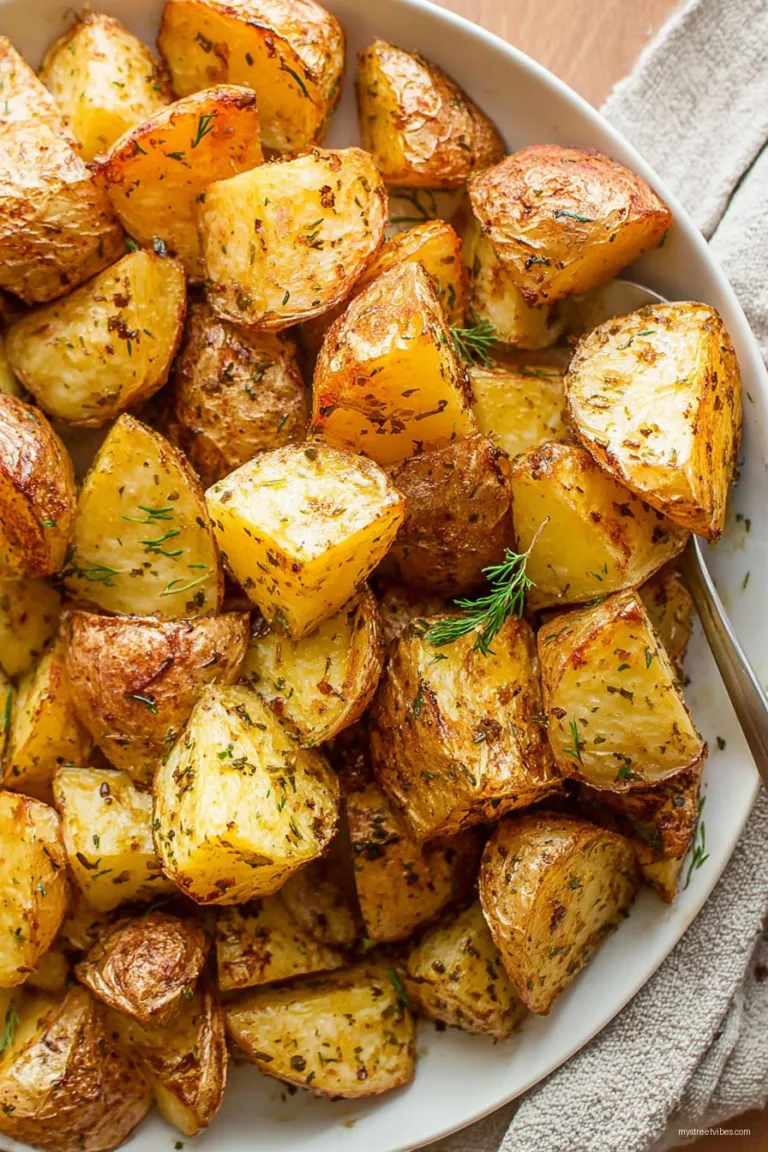
I love to serve this with buttery mashed potatoes and whatever green veg is lurking—my folks still insist on peas (British habit), but roast carrots work a treat. If it’s Sunday, out comes the homemade applesauce—sort of a family thing. Oh, and fresh crusty bread to mop up the bits? Heaven. Sometimes we just eat it picnic-style, with pickles straight from the jar (classy, I know).
If I Were You, I’d… (AKA: Learn From My Goofs)
- I once sliced a tenderloin too soon—juices everywhere, dry as a stick. Actually, now I set a timer for the resting part. Do it, you’ll thank yourself.
- Overcrowding the pan with veggies made everything soggy and weird. Now I just roast them separately (or, well, give up and steam some broccoli).
- And don’t skip trimming that silver skin. Did once, turned out chewy. Yuck. I’ve learnt the hard way.
All Those Little Questions (You’ve Def Asked Me Before)
- “Can I marinade this ahead of time?” Absolutely! Even an hour helps, but if you forget, just slather it right before baking—still delicious.
- “Can I freeze it?” Yep—slice first, then freeze. Thaws pretty well, but sometimes I think it’s a bit less juicy; nothing sadder than meh pork.
- “What if my tenderloin is really thick?” Add a few minutes to roasting, but do check the temp. Don’t just go by sight—I’ve been fooled before.
- “Is this spicy?” Nope, but you could add a pinch of chili flakes if you’re feeling wild.
- “Will this work with pork loin?” Well—technically, but it’s not quite the same. Loin is thicker; needs longer, can get dry easy, so I’d stick to tenderloin if possible.
- “Do I HAVE to rest it?” Honestly: yes. But if you’re starving, at least let it sit for a quick five (even if I sometimes don’t).
So, next time you need a “winner, winner, pork dinner”—give this a go. And let me know if your cat starts acting weird, too. Or maybe that’s just mine.
Ingredients
- 1 to 1.5 pounds pork tenderloin (I occasionally grab the pre-trimmed kind, but honestly just trim any silver skin you see)
- 2 tablespoons olive oil (I’ve used melted butter instead in a pinch—no one noticed)
- 1 tablespoon Dijon mustard (sometimes swap for regular yellow if that’s all I’ve got—my cousin swears by honey mustard, but it’s sweeter)
- 3 cloves garlic, minced (I’ve lazed out with garlic powder, about 1 teaspoon; works in a pinch)
- 1 teaspoon kosher salt (table salt works, though use a bit less)
- 1/2 teaspoon fresh cracked black pepper
- 1 teaspoon dried rosemary (sometimes I throw in thyme, or a mixture when I’m feeling fancy)
- 1/2 teaspoon paprika (smoked is great, but sweet paprika does the job)
- 1 tablespoon brown sugar (optional, but great for that slight caramelized crust)
Instructions
-
1Preheat your oven to 425°F (220°C). Yes, that high—trust me. You’re aiming for a big blast of heat; it helps keep things juicy.
-
2Pat your pork tenderloin with some paper towels ’til it’s, well, pretty dry. Not desert-level, but you know.
-
3Mix the olive oil, Dijon mustard, garlic, salt, pepper, rosemary, paprika, and brown sugar together in a little bowl. (This is where I usually sneak a taste. Shhh.)
-
4Rub the whole pork tenderloin with your mustardy mixture. Use your hands, get messy—it’s actually the fun part. Put it on a baking tray or any old roasting pan. Line with foil if you really hate scrubbing pans, like me.
-
5Roast in the oven, totally uncovered. Give it about 20–23 minutes for 1 pound, maybe close to 25 for the bigger guys. Don’t panic if it looks a bit odd at this point—sometimes it gets kind of puffy. I use a thermometer and aim for 145°F in the thickest bit (sometimes a notch above if that’s your thing).
-
6Take it out and, seriously, let it rest for at least 8–10 minutes. I always want to skip this but every time I don’t, I’m reminded why it’s important; let those juices chill out, trust me.
-
7Slice across the grain, steal a piece before anyone sees, and serve with the pan juices drizzled over. Mmm. Good stuff.
CLICK FOR NUTRITION INFO
↑
Approximate Information for One Serving
Serving Size:
1 serving
Calories:
260 caloriescal
Protein:
32gg
Fat:
11gg
Saturated Fat:
0g
Trans Fat:
0g
Cholesterol:
0mg
Sodium:
0mg
Potassium:
0mg
Total Carbs:
6gg
Fiber:
0g
Sugar:
0g
Net Carbs:
0g
Vitamin A:
0
Vitamin C:
0mg
Calcium:
0mg
Iron:
0mg
Nutrition Disclaimers
Number of total servings shown is approximate. Actual number of servings will depend on your preferred portion sizes.
Nutritional values shown are general guidelines and reflect information for 1 serving using the ingredients listed, not including any optional ingredients. Actual macros may vary slightly depending on specific brands and types of ingredients used.
To determine the weight of one serving, prepare the recipe as instructed. Weigh the finished recipe, then divide the weight of the finished recipe (not including the weight of the container the food is in) by the desired number of servings. Result will be the weight of one serving.
Did you make this recipe?
Please consider Pinning it!