If You Haven’t Tried Homemade Jeyuk Bokkeum…
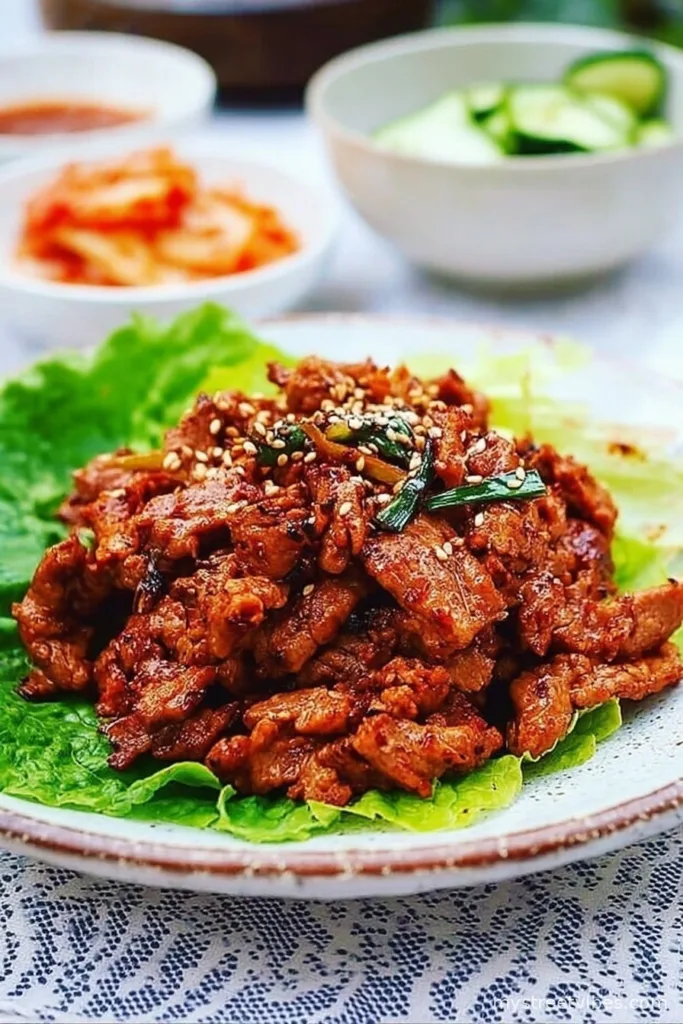
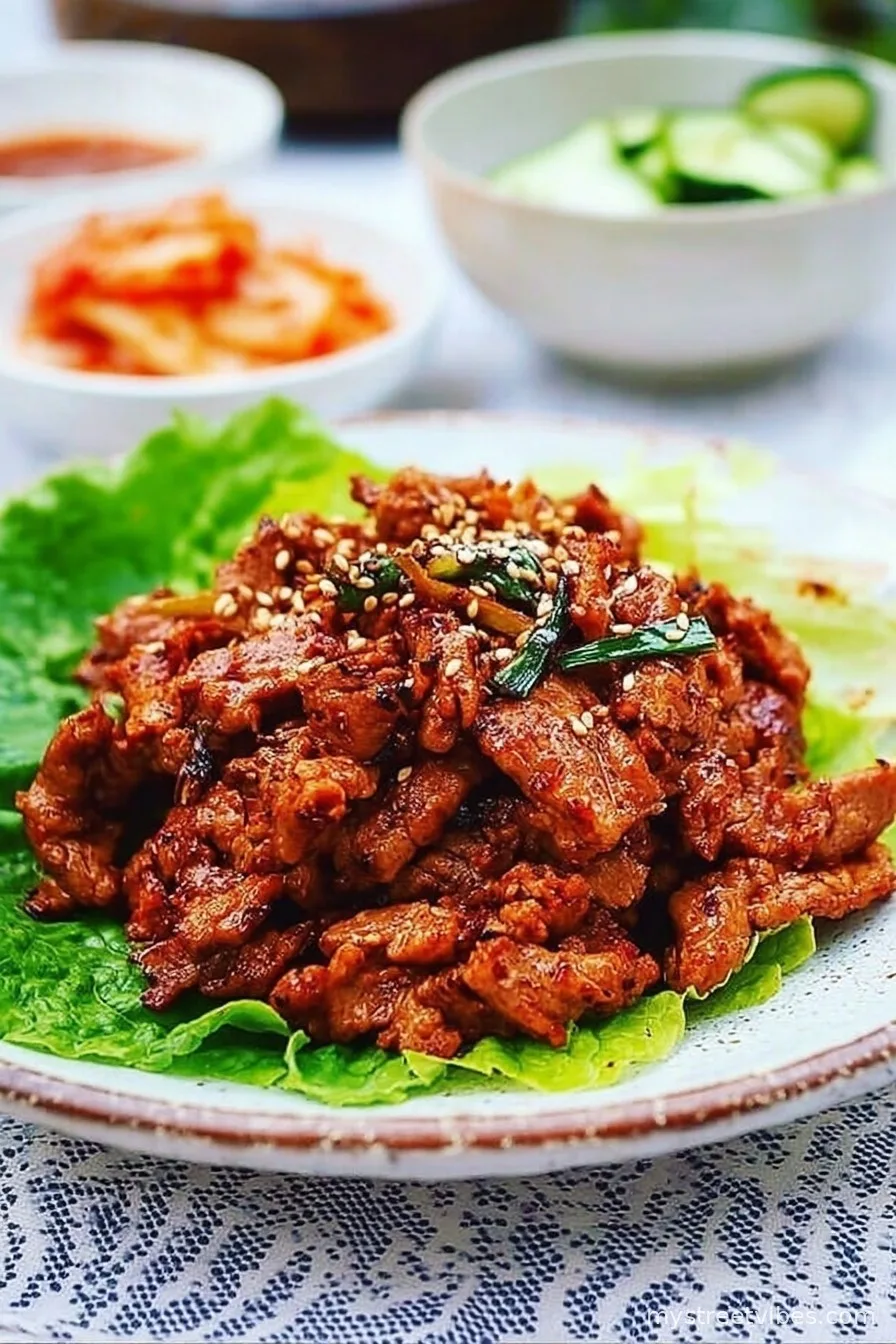
Let me just say: if you’ve never stood by your skillet with the kitchen windows open (unless you want your house to smell like a KBBQ joint for three days—I learned this one the hard way), waiting for spicy, sweet pork to sizzle itself into glorious, glazy goodness, you are missing out, mate. The first time I made Jeyuk Bokkeum at home, I was pretty certain I’d set my eyebrows on fire or something. But actually, I ended up with a dish that made my family swoon. The hardest part? Not eating half straight from the pan. I’ve even lost a chopstick fight or two over this stuff. Anyway, if you can get a hold of some good gochujang, you’re halfway there.
Why You’ll Love This (Scout’s honor!)
I pull out this recipe when the weather turns chilly or when I need to bribe someone into doing dishes. My brother will turn up out of the woodwork for a bowl—he says it’s the only reason he visits (gee, thanks). But really, it’s got that magical combo of spicy and just a little bit sweet. It somehow tastes even better the next day, though my leftovers have a strange habit of evaporating overnight (no, I’m not pointing fingers—but you know who you are, Mum).
Oh, and don’t let the ingredient list scare you. Most of it is stuff that hangs around my kitchen anyway. I used to panic when I ran out of pear for the marinade, but honestly, a little apple or even pineapple juice works fine in a pinch. Also, if you once set off the fire alarm browning pork (like yours truly), don’t worry. Perseverence and a slightly open window are your friends.
What You’ll Need (With Some Real-Life Substitutions)
- 500g (about 1 lb) pork shoulder or pork belly (thinly sliced; pork loin works if you want it leaner, but I dig the shoulder’s extra juiciness)
- 1 small onion, thinly sliced
- 1 small carrot, sliced on a bias (my aunt skips carrot… totally fine!)
- 4 scallions, cut into 2-inch pieces
- 2 tbsp gochujang (Korean red chili paste—Brand X, Y, or whatever’s in the fridge, they all get the job done)
- 1 tbsp gochugaru (Korean red chili flakes—or use regular chili flakes if that’s what’s on hand; it’ll be a bit different but not a disaster)
- 2 tbsp soy sauce (low-sodium is what I use so I can feel virtuous… sometimes)
- 1 tbsp mirin (I once used a splash of white wine and no one even noticed)
- 1 tbsp sugar (brown, white, or honey—they all work; my grandmother swears only brown will do, but…eh)
- 1 tbsp toasted sesame oil
- 3 cloves garlic, minced (I eye-ball this and add a fourth if I’m feeling wild)
- 1 tsp ginger, grated (or skip if you forgot, which is often me)
- 1/2 small Asian pear, grated (or same amount of apple; pineapple juice in an emergency)
- 1 tbsp sesame seeds (for garnish; sometimes I forget, nobody riots)
- Fresh lettuce leaves for serving (romaine, butter, or honestly, just whatever’s in the fridge that’s leafy and not limp)
How I (Sometimes) Cook Jeyuk Bokkeum
- First, toss the pork slices into a large mixing bowl. In a separate bowl or gigantic mug, stir together the gochujang, gochugaru, soy sauce, mirin, sugar, sesame oil, garlic, ginger, and the grated pear (or alternative). Don’t stress about measurements—if you want it a little sweeter, go wild. Pour this glorious marinade all over the pork and give it a nice massage (with clean hands unless you live dangerously). Let it sit for at least 30 minutes, but honestly, longer is better if you’ve got patience (I rarely do).
- While the pork soaks up flavor, slice up your onion, carrot (if you like), and scallions. There’s really no need for your knife skills to be fancy. Rustic works. Actually, the last time I sliced the scallions on the bias, my kid called it ‘chef-y’, which I think is a compliment.
- Set a large skillet or wok on medium-high heat, splash in the tiniest amount of oil (unless your pork is super lean), and, once it’s nice and hot, throw in the pork—marinade and all. Don’t overcrowd the pan! This is where I sometimes get greedy and dump it all in at once, but it’s better to do it in two batches if your pan isn’t huge. Sear, stirring now and then, until the pork gets those caramelised edges. It might look a little messy—don’t worry, it always comes together.
- After about 4-5 minutes, toss in the onion, carrot, and white parts of the scallions. Keep stir-frying until the pork’s cooked through and veggies are a bit tender, but not sad and soggy (another lesson from my early days). Usually another 3-4 minutes does the trick.
- This is the official taste-test stage (my favorite). Try a bite and tweak salt or chili to your liking. Sprinkle over sesame seeds and the green parts of the scallions at the end, off the heat.
- Serve piping hot, wrapped up in lettuce leaves or with a bowl of steamed rice. If you’re feeling extra, make some quick pickled radish too—trust me.

Notes from My Kitchen
- If you can, slice the pork paper-thin; I actually freeze it for 20 mins first and that makes life a lot easier.
- I tried marinating overnight once, and it made everything spicier but also more mellow, if that makes sense. Maybe only do that if you like things spicy but not punch-you-in-the-face spicy.
- If you run out of gochujang, a combo of miso and chili paste kind of worked for me one time. Not classic, but nobody walked out.
How I’ve Experimented (Good, Bad, and Ugly)
- I swapped the pork for chicken thighs once; it was tasty, just not the same kick.
- Once tried it with tofu for my vegetarian friend, but honestly, it got a bit soggy. Wouldn’t do it again…unless I find super-firm tofu next time.
- I added a splash of orange juice by accident (long story). It was… weird, not my best idea, but not truly awful.

Kit You (Probably) Need (Or Can Wing It)
A nonstick skillet or wok is usually the ticket (seasoned cast iron is my secret weapon, but a regular big ol’ frying pan works, too). Don’t worry if you don’t own a proper wok—just cook in batches and push things around, it’ll still be fab. Oh, and tongs are handy, but honestly, I’ve managed with a big ol’ spoon some nights.
Saving Leftovers (If That Ever Happens)
Store in an airtight box, in the fridge, for up to three days. It reheats well in the microwave, but a quick toss in a pan keeps it from drying out. Oddly, I think it’s better the next day (but getting leftovers is the real trick around here!).
How We Serve It Up
I’m a fan of scooping it up in crisp lettuce leaves, with extra rice and a dab of ssamjang if we’re feeling fancy. On birthdays, my cousin insists on kimchi next to it—maybe it’s a family superstition, but hey, who am I to argue with good luck?
What Not To Rush (Or, Lessons in Patience From Me)
- Don’t skimp on the marinating time. I rushed it once, and the flavor didn’t soak in—it tasted like spicy surface pork, if that makes sense.
- Caramelizing the meat is crucial for max flavor. If you throw it in a cold pan, you’ll end up with something weirdly steamed and definitely not as tasty.
- Also, opening a window is your friend! Smells linger in ways the dog likes more than I do.
Real Questions I’ve Gotten (And My Real Answers)
- Can I make this less spicy? For sure! Just cut down the gochugaru or skip it. Maybe add a bit more sugar or even a drizzle of honey.
- Do I have to use pork shoulder? Nah, pork belly is classic but even pork loin or chicken works. It changes things but it’s still tasty.
- Will regular chili paste work if I can’t find gochujang? You won’t get the exact same kick, but honestly, it works in a pinch. Just taste as you go; sometimes it ends up stronger, so ease in.
- Is it okay to marinate just 10 minutes? Sure, if you’re in a mad rush, but the longer it sits, the better (tough news, but it’s true).
- Can I freeze leftovers? Yep! Defrost overnight in the fridge and reheat gently. But, judging from my kitchen, they rarely stick around long enough for that.
Ingredients
- 500g (about 1 lb) pork shoulder or pork belly (thinly sliced; pork loin works if you want it leaner, but I dig the shoulder’s extra juiciness)
- 1 small onion, thinly sliced
- 1 small carrot, sliced on a bias (my aunt skips carrot… totally fine!)
- 4 scallions, cut into 2-inch pieces
- 2 tbsp gochujang (Korean red chili paste—Brand X, Y, or whatever’s in the fridge, they all get the job done)
- 1 tbsp gochugaru (Korean red chili flakes—or use regular chili flakes if that’s what’s on hand; it’ll be a bit different but not a disaster)
- 2 tbsp soy sauce (low-sodium is what I use so I can feel virtuous… sometimes)
- 1 tbsp mirin (I once used a splash of white wine and no one even noticed)
- 1 tbsp sugar (brown, white, or honey—they all work; my grandmother swears only brown will do, but…eh)
- 1 tbsp toasted sesame oil
- 3 cloves garlic, minced (I eye-ball this and add a fourth if I’m feeling wild)
- 1 tsp ginger, grated (or skip if you forgot, which is often me)
- 1/2 small Asian pear, grated (or same amount of apple; pineapple juice in an emergency)
- 1 tbsp sesame seeds (for garnish; sometimes I forget, nobody riots)
- Fresh lettuce leaves for serving (romaine, butter, or honestly, just whatever’s in the fridge that’s leafy and not limp)
Instructions
-
1First, toss the pork slices into a large mixing bowl. In a separate bowl or gigantic mug, stir together the gochujang, gochugaru, soy sauce, mirin, sugar, sesame oil, garlic, ginger, and the grated pear (or alternative). Don’t stress about measurements—if you want it a little sweeter, go wild. Pour this glorious marinade all over the pork and give it a nice massage (with clean hands unless you live dangerously). Let it sit for at least 30 minutes, but honestly, longer is better if you’ve got patience (I rarely do).
-
2While the pork soaks up flavor, slice up your onion, carrot (if you like), and scallions. There’s really no need for your knife skills to be fancy. Rustic works. Actually, the last time I sliced the scallions on the bias, my kid called it ‘chef-y’, which I think is a compliment.
-
3Set a large skillet or wok on medium-high heat, splash in the tiniest amount of oil (unless your pork is super lean), and, once it’s nice and hot, throw in the pork—marinade and all. Don’t overcrowd the pan! This is where I sometimes get greedy and dump it all in at once, but it’s better to do it in two batches if your pan isn’t huge. Sear, stirring now and then, until the pork gets those caramelised edges. It might look a little messy—don’t worry, it always comes together.
-
4After about 4-5 minutes, toss in the onion, carrot, and white parts of the scallions. Keep stir-frying until the pork’s cooked through and veggies are a bit tender, but not sad and soggy (another lesson from my early days). Usually another 3-4 minutes does the trick.
-
5This is the official taste-test stage (my favorite). Try a bite and tweak salt or chili to your liking. Sprinkle over sesame seeds and the green parts of the scallions at the end, off the heat.
-
6Serve piping hot, wrapped up in lettuce leaves or with a bowl of steamed rice. If you’re feeling extra, make some quick pickled radish too—trust me.
CLICK FOR NUTRITION INFO
↑
Approximate Information for One Serving
Serving Size:
1 serving
Calories:
430cal
Protein:
32 gg
Fat:
25 gg
Saturated Fat:
0g
Trans Fat:
0g
Cholesterol:
0mg
Sodium:
0mg
Potassium:
0mg
Total Carbs:
20 gg
Fiber:
0g
Sugar:
0g
Net Carbs:
0g
Vitamin A:
0
Vitamin C:
0mg
Calcium:
0mg
Iron:
0mg
Nutrition Disclaimers
Number of total servings shown is approximate. Actual number of servings will depend on your preferred portion sizes.
Nutritional values shown are general guidelines and reflect information for 1 serving using the ingredients listed, not including any optional ingredients. Actual macros may vary slightly depending on specific brands and types of ingredients used.
To determine the weight of one serving, prepare the recipe as instructed. Weigh the finished recipe, then divide the weight of the finished recipe (not including the weight of the container the food is in) by the desired number of servings. Result will be the weight of one serving.
Did you make this recipe?
Please consider Pinning it!