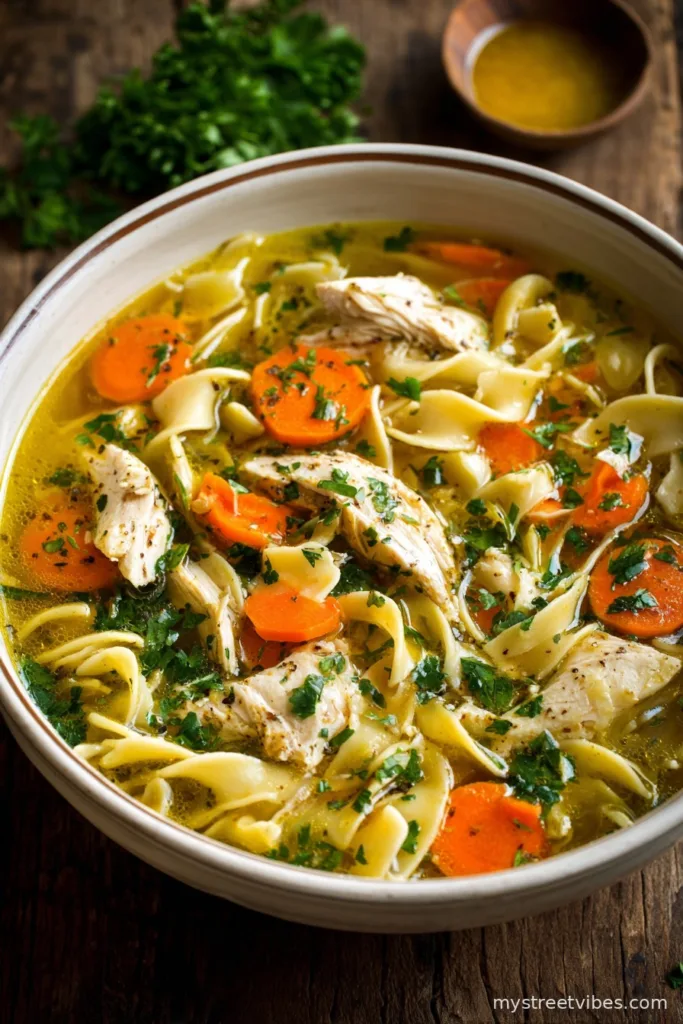
First things first: Let’s talk Chicken Noodle Soup!
You know how some days just call for a big old pot of homemade chicken noodle soup? Not even for any particular reason; maybe it’s raining sideways outside or you’ve just come home from a proper rubbish day and need food that feels like a hug. Or, if you’re like me, you just want something that tastes like home. Actually, my earliest memory of this soup is my mum hustling around the tiny kitchen, yelling for someone to chop carrots (I got away with the job maybe twice) while the whole house started to smell like something magic was brewing. Oh, and I once spilled half the noodles on the floor. Five-second rule, anyone?
Why you’ll want to make this
I make this when someone in the house starts sniffling, or when I just need to feel on top of life—which doesn’t always work, but the soup’s still good. My family goes absolutely mad for this because, look, it’s got that perfect blend of “tastes-like-hours-of-effort” with, honestly, not a ton of fuss. Plus, on cold days, nothing heats you up quite like it. (And okay, sometimes I make it for myself on a random Thursday night and eat it straight out of the pot. No judgement.) Fun fact: I used to get stressed about the noodles going soggy. Turns out, just don’t overcook them and it’s grand. Easy fix.
Shopping list (with side notes!)
- 1 whole chicken (or just thighs if you can’t be faffed with the whole bird – honestly, bone-in makes nicest broth, but boneless works in a pinch)
- 2-3 carrots, peeled and sliced (My grandma swears by organic, but any carrot will do. I use whatever’s lurking at the bottom of the veg drawer)
- 2 celery sticks (Or skip this if celery’s not your thing. But it does add a good base flavor)
- 1 big onion, chopped (Red, brown, white, who cares? I’ve bunged in a shallot before—fine!)
- 3 cloves garlic, smashed, not minced (because who really has time to mince?)
- 1-2 bay leaves (I sometimes forget these. Doesn’t ruin anything.)
- Handful fresh parsley (or don’t, but it looks pretty and tastes nice)
- Salt & pepper, to taste (I always end up adding more than I mean to—taste as you go!)
- 8 cups chicken stock/water (Honestly, I sometimes do half and half. But if you want to cheat, good quality store-bought is brill. Check out Serious Eats’ broth taste test for picks!)
- 200g egg noodles (I use whatever curly things I find! Spaghetti snapped in half works too—promise.)
- Optional: Lemon juice for a bit of zing. Sometimes I toss in a splash right at the end.
What to do (directions, but relaxed)
- First off, grab your biggest pot—trust me, you want room. Chuck in the chicken (whole or pieces), carrots, celery, onion, garlic, bay leaves, and about 8 cups of water or stock. If you’ve only got a medium pot, don’t worry; just top up with water as it cooks. No one’s policing you.
- Bring it all to a gentle boil, then drop it to a simmer. Skim any weird foamy bits that float up (they look gross, but they’re fine if you miss some). Give it about 45 minutes. This is when I poke around the kitchen and sneak a bit of carrot out for, uhh, quality assurance.
- Once the chicken’s definitely cooked (should fall off the bone or, you know, be super tender if using pieces), fish it out onto a plate. Let it cool a bit, then pick the meat off the bones. Shred or chop it. If you’re using boneless, honestly just chop and carry on. Return the chicken to the pot. This is usually where I remember to taste for salt—you probably need more.
- Now, toss in your noodles. Let them cook in the hot soup; takes maybe 5-8 minutes, but I like to go by feel. Sometimes I cook the noodles separately and just add at the end so they don’t go mushy, but honestly, who has time for all that washing up?
- Throw in a handful of parsley for that ‘fresh’ moment, and a squeeze of lemon if you like a zing (not mandatory, but my husband says it’s the best bit). Stir, taste again. Done.
Notes you won’t find in fancy cookbooks
- I used to add more garlic—like, way more—then realized my family complained (but I still sneak in a bit extra sometimes!)
- If you forget the bay leaves, just pretend you planned a minimalist flavor profile. No one will notice, promise.
- And if your noodles get a bit soggy, it’s honestly still good the next day, when everything’s had a chance to mingle TBH.
Soup experiments (aka, things I’ve tried that work… or not)
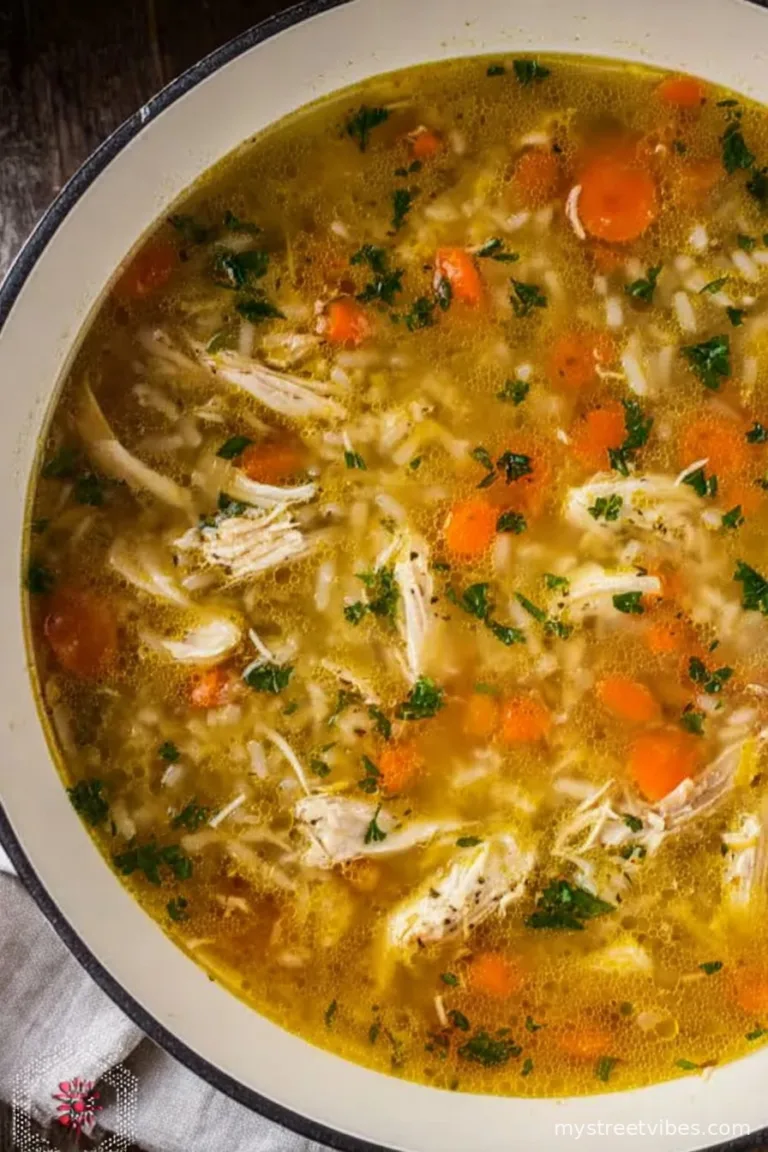
One time I tried tossing in a handful of frozen peas for color; looked pretty, tasted fine, but didn’t wow anyone. Or if you fancy swapping noodles for rice—go for it, but the texture can get weird if you leave leftovers (lesson learned). I even once tried a chili flake twist, but that didn’t exactly win over the under-10 crowd. Live and learn, hey?
Equipment: What you need (and what to do if you haven’t got it)
- Big pot: Like, the biggest you’ve got. If not, use two smaller ones. Or a slow cooker—even easier!
- Slotted spoon/tongs: Handy, but a big fork and some determination work too.
- Ladle: Totally optional, but feels authentic. I usually just use my big mug, not even sorry.
How to store it (not that it’ll last)
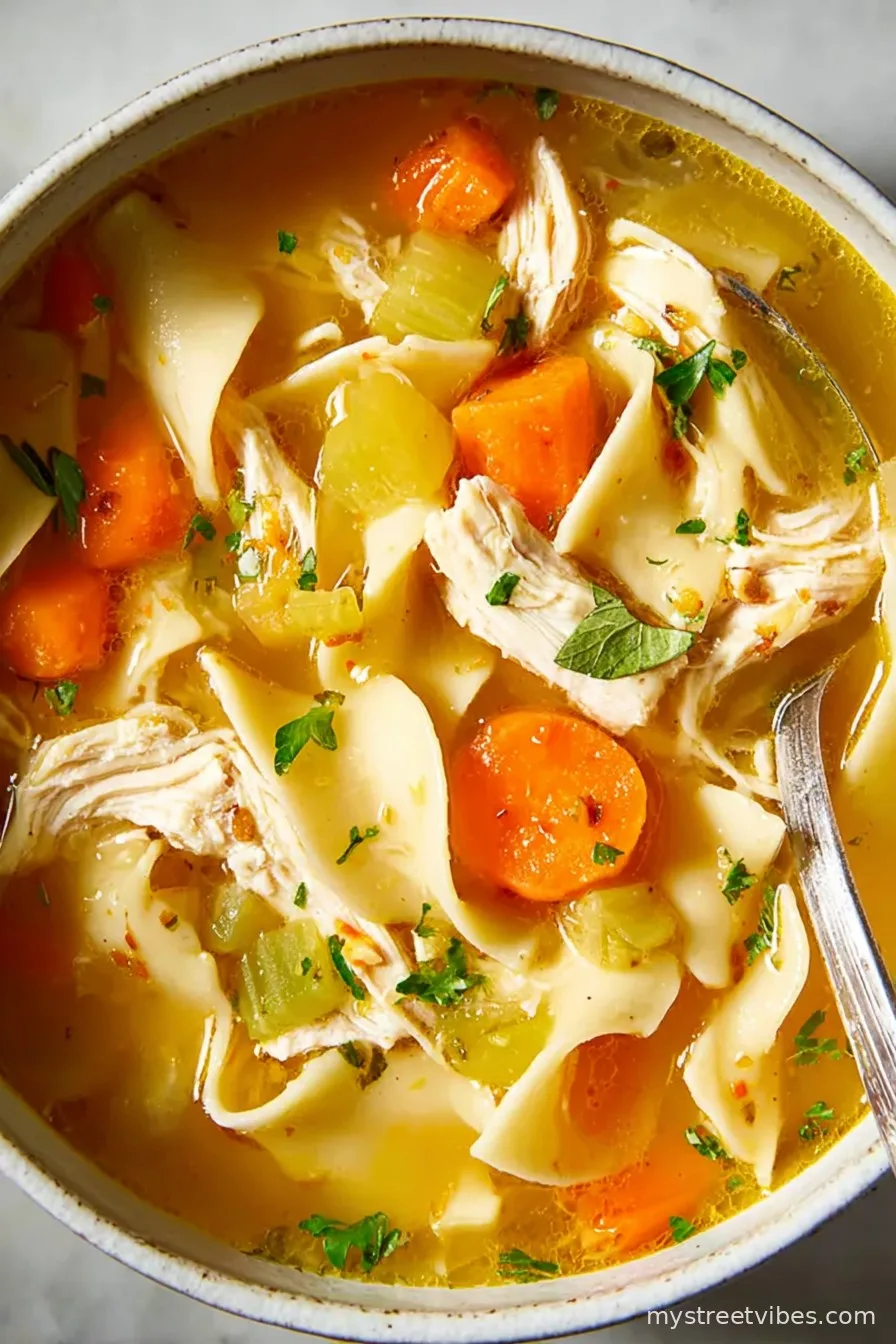
I always say it can keep in the fridge for up to 3 days, but honestly, it never lasts that long here—maybe it’s because everyone goes back for seconds (and thirds). If you don’t plough through it in a night like we do, shove it in a sealed container. Oh and it freezes nicely, but freeze without noodles or they go a bit strange. Ask me how I know.
What to have with it (my go-tos)
If I’m feeling extra, I’ll serve it with crusty bread or some buttered toast soldiers. My lot sometimes demand a sprinkle of parmesan on top. Not traditional, apparently, but it’s dead tasty. Once we even ate it with leftover garlic bread. No shame in my game.
Things I wish I’d known (pro “tips”…ish)
- Rushing the simmering step means less flavor. I got impatient once—it tasted like hot water and sadness. Don’t be me.
- Don’t add too much salt early on; it gets saltier as it reduces, and then you’re scrambling to fix it. Actually, on second thought, you can always water it down again. So maybe it’s not fatal, just annoying.
Real-life FAQs (from texts, DMs, and shouts across the kitchen)
- Can I use leftover roast chicken?
Yup! Just simmer the bones for the stock, or toss in shredded meat during the last part. Makes life easier. - Can I make this veggie?
Easiest swap ever—skip the chicken, use veg stock, add chickpeas or tofu if you want protein. It’s not the same, but it’s good. - What if I don’t have egg noodles?
Use any quick-cook pasta (I even used alphabet shapes once; the kids lost their minds). Slightly different but still hits the spot. - Ugh, it’s too oily—what do I do?
Skim that fat off the top with a spoon, or chuck it in the fridge and scoop the top layer off later. Or accept it as “flavor,” which I do if no one’s watching. - Any tricks to make it richer?
Add a chicken stock cube, maybe a knob of butter, or a dash of cream if you’re feeling naughty. Sure, purists might gasp, but it bangs.
Well, that’s my take on homemade chicken noodle soup—probably not perfect, but absolutely made with love (and sometimes a bit of mess). If you want to geek out on more brothy science, check out this article from Serious Eats. Hope this makes you feel as cosy as it does me. Let me know how yours turns out, unless it’s rubbish, in which case send biscuits instead.
Ingredients
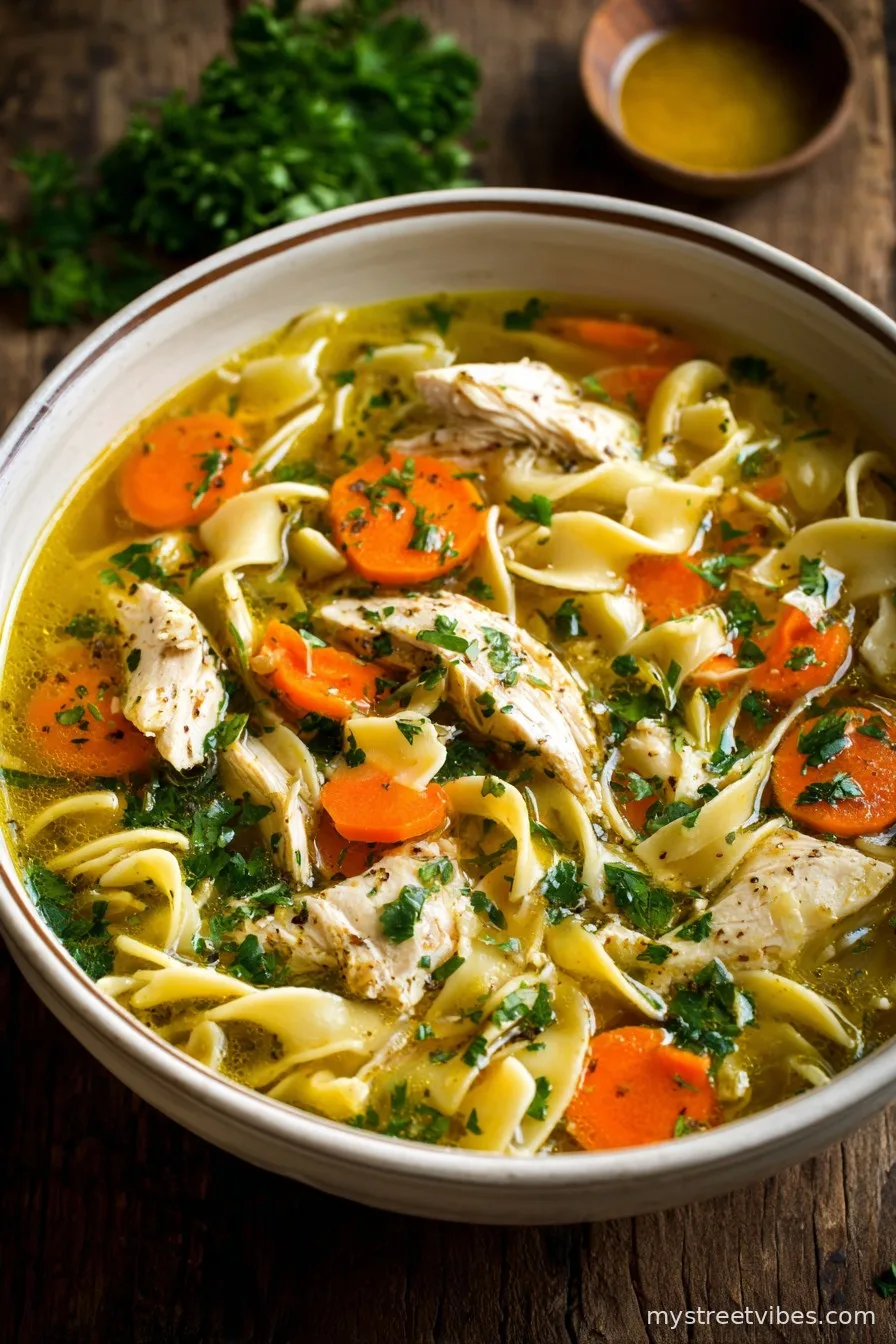
- 2 tablespoons olive oil
- 1 medium onion, diced
- 3 medium carrots, sliced
- 2 celery stalks, sliced
- 3 cloves garlic, minced
- 8 cups chicken broth
- 2 cups cooked chicken breast, shredded
- 2 cups egg noodles
- 1 teaspoon dried thyme
- 1 bay leaf
- Salt and pepper to taste
- 2 tablespoons fresh parsley, chopped
Instructions
-
1Heat olive oil in a large pot over medium heat. Add onion, carrots, and celery. Sauté for 5 minutes until vegetables begin to soften.
-
2Add minced garlic and cook for 1 minute until fragrant.
-
3Pour in the chicken broth, add dried thyme, bay leaf, salt, and pepper. Bring to a boil.
-
4Add shredded chicken and egg noodles. Reduce heat and simmer uncovered for 15-20 minutes until noodles are tender.
-
5Remove bay leaf. Stir in chopped parsley before serving and adjust seasoning as desired.
CLICK FOR NUTRITION INFO
↑
Approximate Information for One Serving
Serving Size:
1 serving
Calories:
270 caloriescal
Protein:
19 gg
Fat:
8 gg
Saturated Fat:
0g
Trans Fat:
0g
Cholesterol:
0mg
Sodium:
0mg
Potassium:
0mg
Total Carbs:
28 gg
Fiber:
0g
Sugar:
0g
Net Carbs:
0g
Vitamin A:
0
Vitamin C:
0mg
Calcium:
0mg
Iron:
0mg
Nutrition Disclaimers
Number of total servings shown is approximate. Actual number of servings will depend on your preferred portion sizes.
Nutritional values shown are general guidelines and reflect information for 1 serving using the ingredients listed, not including any optional ingredients. Actual macros may vary slightly depending on specific brands and types of ingredients used.
To determine the weight of one serving, prepare the recipe as instructed. Weigh the finished recipe, then divide the weight of the finished recipe (not including the weight of the container the food is in) by the desired number of servings. Result will be the weight of one serving.
Did you make this recipe?
Please consider Pinning it!!