How This Easy Pesto Tarte Soleil Ended Up in My Life
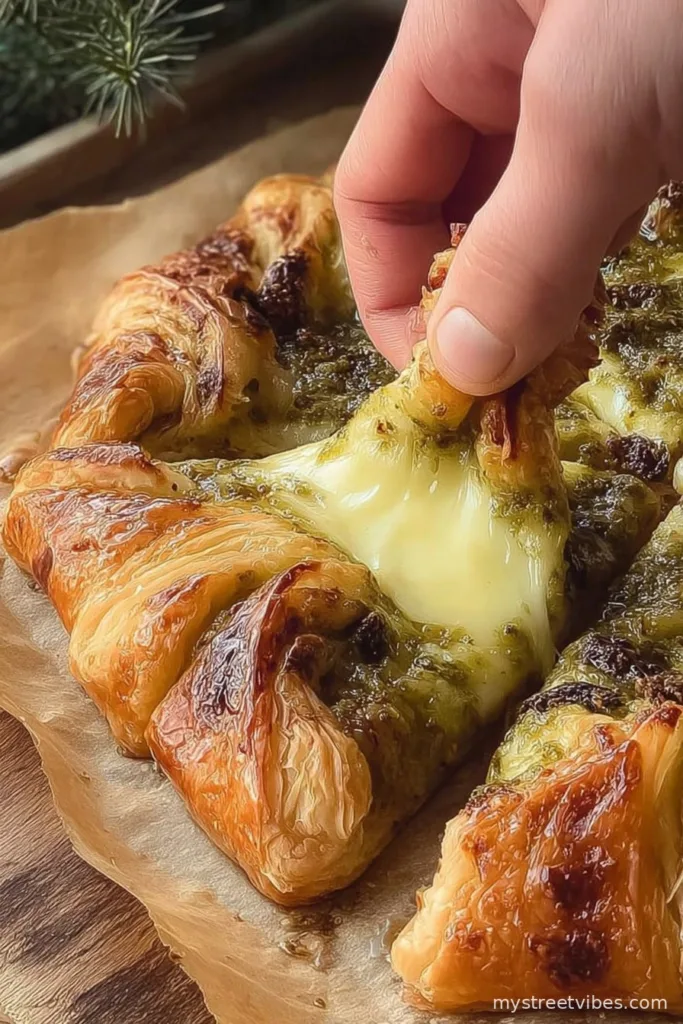
Let me tell you, the first time I made this Easy Pesto Tarte Soleil (or, as I like to call it, the Puff Pastry Sun), I didn’t actually know it was supposed to look fancy. I just wanted something snacky for game night that looked impressive but didn’t require me to spiral into a dough-induced panic. Honestly, the first time, half my “sun rays” ended up flopping over like tired noodles, but no one noticed because, by the time I blinked, it was gone. (Someone asked for the recipe while munching the last bit!)
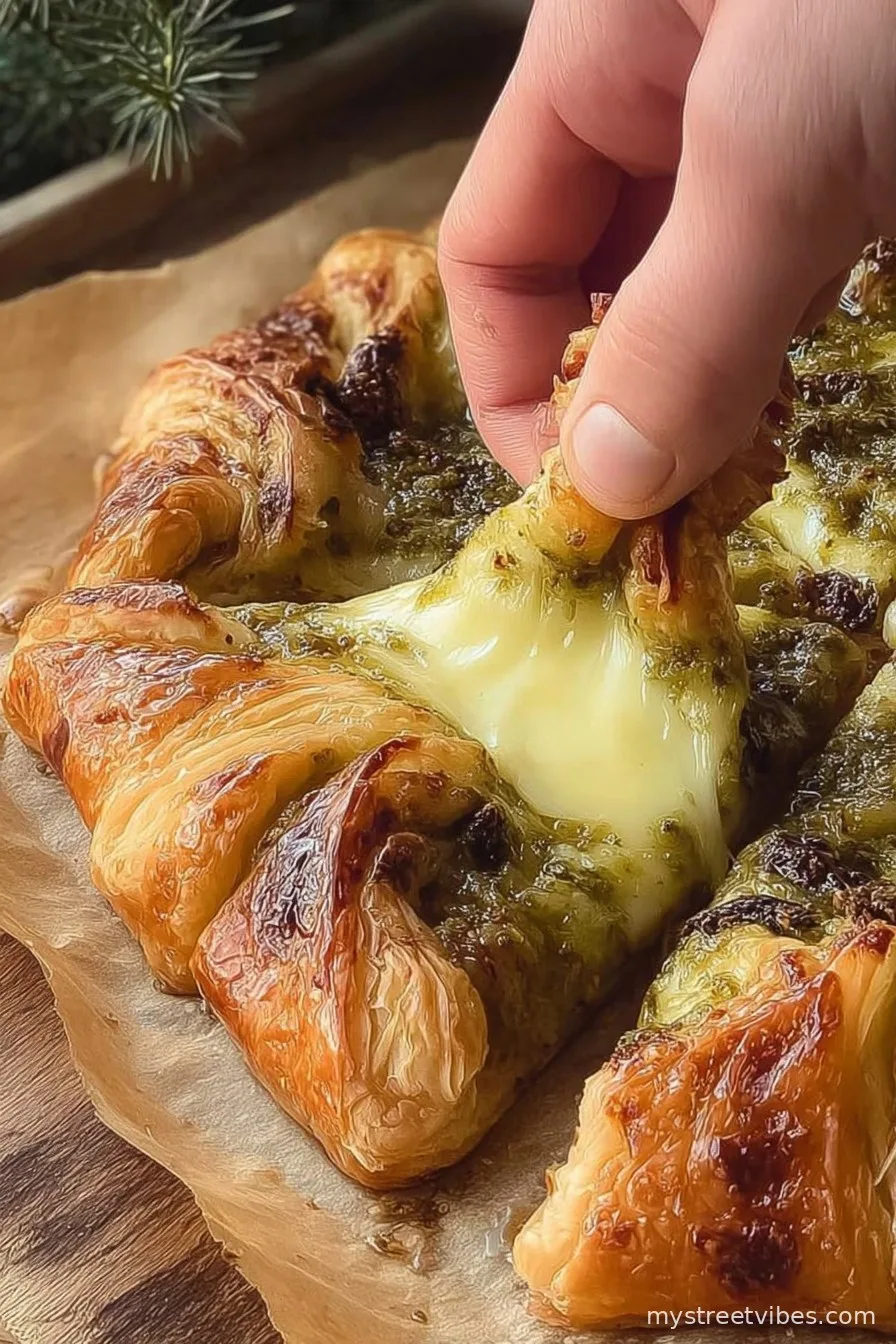
Now it’s my party piece. And because my family is basically genetically predisposed to loving anything with pesto, I keep this one up my sleeve for emergencies—or, let’s be real, days when there’s nothing in the fridge except cheese and last-minute inspiration. Plus, it looks like you tried really hard, and isn’t that what we all want?
Why You’ll Fall for This (Like I Did)
I make this when I want all the oohs and aahs with almost zero effort (also, when I forgot to plan dinner—again). My family goes crazy for this because it’s got that buttery, flaky vibe from the puff pastry, bright herby pesto, and just enough gooey cheese to keep everyone hovering near the oven. On really lazy days, I use shop-bought dough. (You could totally make homemade, but honestly, life’s too short most weeks.) One tiny rant: the cutting and twisting looks fiddly, but after a botched first go, I realized it actually doesn’t matter if it looks picture-perfect. Once it’s baked, it’s all golden and irresistible. Don’t stress the small stuff. Or the big stuff, now that I think about it.
What You Need (Aka Ingredients List…with Swaps!)
- 2 sheets chilled puff pastry (I just use the supermarket kind; honestly, my grandmother would insist on that blue box brand, but whatever’s on sale works)
- 4-5 tablespoons of pesto—homemade or jarred (When I’m in a pinch, I’ve been known to use red pesto or even tapenade. Sssh, don’t tell the purists.)
- 60g (about 1/2 cup) grated cheese. I usually grab mozzarella, but cheddar, gruyère, or that random handful of parmesan crust from the fridge drawer works too
- 1 egg, for egg wash (or skip it, brush with milk—no one will arrest you, promise)
- A good pinch of salt & pepper (I’m always heavy handed with black pepper, just feels right)
Optional: a few chilli flakes for a bit of zip, pine nuts if you want to feel posh, or torn basil if you’re feeling green-fingered.
How To Make It, In Real Words
- First, line a big baking tray with parchment. This is less about sticking (though, one time I forgot and it fused with the pan) and more about just sliding the whole thing off later.
- Unroll one pastry sheet, slap it down. If it’s too cold, it might crack—just let it sit a bit. Slather on the pesto. Go nearly to the edges but not all the way, unless you want a gooey mess (I learned that the hard way; you don’t).
- Sprinkle cheese all over. Sprinkle extra in the middle if you love cheesy middles. (I do.)
- Pop the second pastry sheet on top. Gently press the edges with your fingers—no need for perfection, just encouragement.
- Place a small glass upside down in the centre. It marks where the “sun” will be. With a knife, cut the “rays”: start at the glass and go outward. 16 to 24 rays is ideal, but if you end up with 17, shrug and carry on.
- Take each ray and gently twist it a couple times. Don’t panic if they’re uneven. This is where I usually sneak a taste of stray cheese bits.
- Remove glass. Brush the whole thing with beaten egg or milk, sprinkle with salt and pepper, and maybe some chilli flakes if that’s your jam. Admire your handiwork (seriously, it looks impressive at this point).
- Bake at 200°C (about 400°F) for 22–26 minutes, or until golden brown and puffy. Mine always looks just a bit “overdone” and I honestly like that crispiness.
- Let it cool about 5 min, then scoot it onto a board. This is when everyone appears out of nowhere—funny how that happens.
Things I Learned the Hard Way (Notes!)
- If your kitchen’s hot, keep everything as cold as possible or the dough gets sticky and makes you want to scream.
- The egg wash is optional, but makes it shinier (my friend once skipped it and it looked a bit sad, but still tasted great).
- Actually, I find it’s easier to twist when pastry is still kinda chilled, but if it cracks, smoosh it back together. No one’s judging.
Variations I’ve Experimented With (Plus One Oops)
- Chopped sun-dried tomatoes inside instead of—or with—the cheese. Extra tangy!
- Nut-free pesto (pumpkin seed pesto works, just tastes sort of… different? But not in a bad way.)
- Dessert version: I tried Nutella and chopped hazelnuts… but it sort of turned into a hot mess. Tasted good, looked like a bear got into it though!

If You Don’t Have the Gear (Equipment)
Honestly, you just need a baking sheet and a sharp-ish knife. I’ve cut circle templates from cereal boxes when I couldn’t find my plate. Don’t have a pastry brush? Use your fingers. Or, in a pinch, an old (clean!) paintbrush. No drama.
How Long Does It Last? (Storage Talk)
Pop leftovers in an airtight box; keeps for a day or two at room temp, maybe longer in the fridge… though, to be fair, in my house it never lasts past the first evening. Second day, reheat in the oven to get the crisp back—microwave makes it a bit soggy.
How I Like to Serve It
I plop the tarte in the middle of the table with a small bowl of extra pesto for dipping. Sometimes I cut a circle out of the centre, fill with olive tapenade, and let everyone rip and dip. It’s become a standard at Sunday lunch, especially if there’s soup on the go.
Lessons Learned (Pro Tips)
- I once tried rushing the twisting, ended up with filling everywhere—much easier if you go slow-ish, honestly.
- Don’t try to twist too tightly or the rays can break off. (They still taste good but you lose the “sun” look, which is half the fun.)
- Maybe don’t prep this too early—the pastry puffs best when baked from chilled.
Some Questions I Get a Lot (And a Few I Ask Myself)
- Can I make it ahead? Yeah, but assemble, cover, and chill; bake just before serving for max flakiness.
- Do I have to use pesto? Nope! Try tapenade, herbed cream cheese, or even cranberry sauce (around Christmas, gets raves).
- Help, my rays fell off—did I mess up? Definitely not. Happens to me all the time. Just call them “pastry dippers” and carry on.
- Gluten-free? Sure, get the ready-made gluten free pastry (it’s pricier, but works). Don’t overfill, though—it gets crumbly.
- Can I freeze it? The baked tart freezes if you wrap it up right. Thaw and recrisp in the oven. Though, why anyone would have leftovers I’ll never know!
- What if I forgot the egg wash? It’s fine, really. Little less glossy, still totally delicious.
Oh, and if anybody asks, just say you spent hours on it. Who’s gonna check? 🙂
Ingredients
- 2 sheets of puff pastry (about 250g each), thawed
- 100g (about 1/3 cup) basil pesto
- 1 egg, beaten (for egg wash)
- 30g (about 1/4 cup) grated parmesan cheese
- 1 tablespoon pine nuts (optional)
- 1/2 teaspoon freshly ground black pepper
- 1/4 teaspoon sea salt
- All-purpose flour, for dusting
Instructions
-
1Preheat your oven to 200°C (390°F). Line a baking sheet with parchment paper.
-
2Roll out both sheets of puff pastry on a lightly floured surface. Cut each pastry into a 30cm (12-inch) circle using a plate as a guide.
-
3Place one pastry circle on the prepared baking sheet. Spread the pesto evenly over the surface, leaving a 1cm border. Sprinkle with parmesan cheese and pine nuts if using.
-
4Lay the second pastry circle on top. Place a small glass in the center. Use a sharp knife to cut the pastry into 16 equal strips, radiating out from the glass.
-
5Twist each strip two or three times, then remove the glass. Brush the entire tarte with beaten egg, and season with salt and black pepper.
-
6Bake for 22-25 minutes or until golden brown and crisp. Serve warm or at room temperature.
CLICK FOR NUTRITION INFO
↑
Approximate Information for One Serving
Serving Size:
1 serving
Calories:
295 caloriescal
Protein:
6gg
Fat:
19gg
Saturated Fat:
0g
Trans Fat:
0g
Cholesterol:
0mg
Sodium:
0mg
Potassium:
0mg
Total Carbs:
23gg
Fiber:
0g
Sugar:
0g
Net Carbs:
0g
Vitamin A:
0
Vitamin C:
0mg
Calcium:
0mg
Iron:
0mg
Nutrition Disclaimers
Number of total servings shown is approximate. Actual number of servings will depend on your preferred portion sizes.
Nutritional values shown are general guidelines and reflect information for 1 serving using the ingredients listed, not including any optional ingredients. Actual macros may vary slightly depending on specific brands and types of ingredients used.
To determine the weight of one serving, prepare the recipe as instructed. Weigh the finished recipe, then divide the weight of the finished recipe (not including the weight of the container the food is in) by the desired number of servings. Result will be the weight of one serving.
Did you make this recipe?
Please consider Pinning it!!