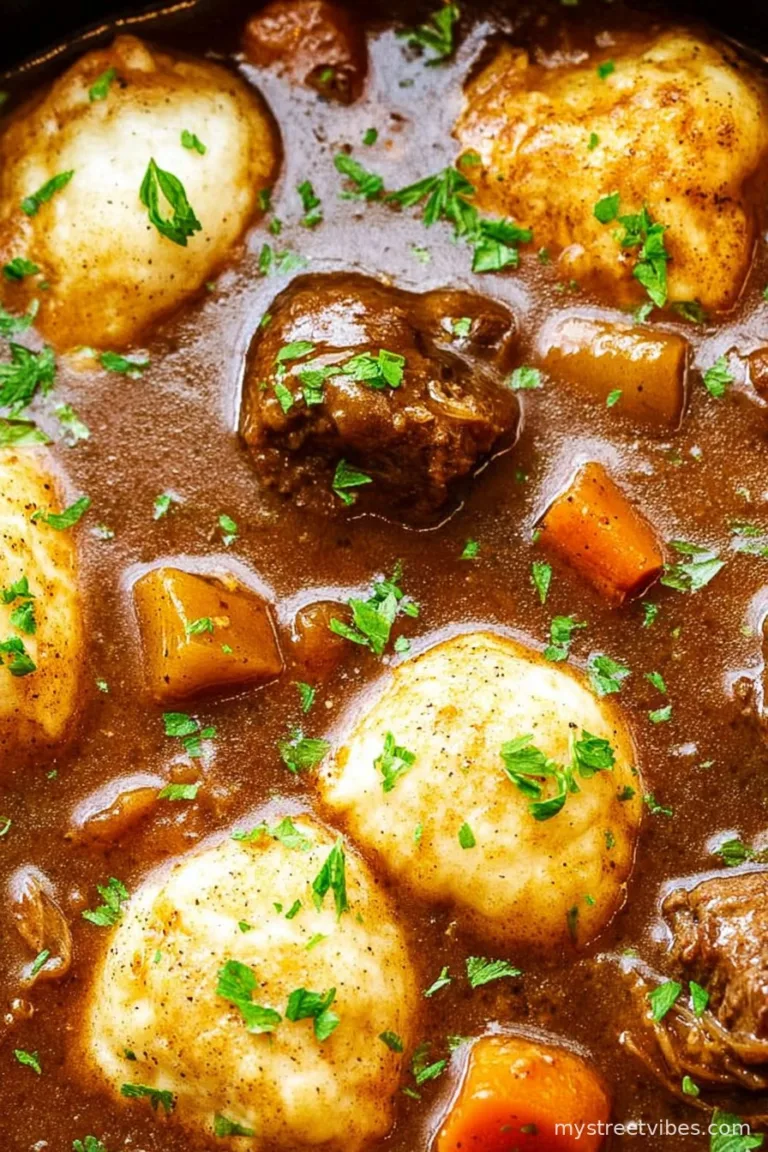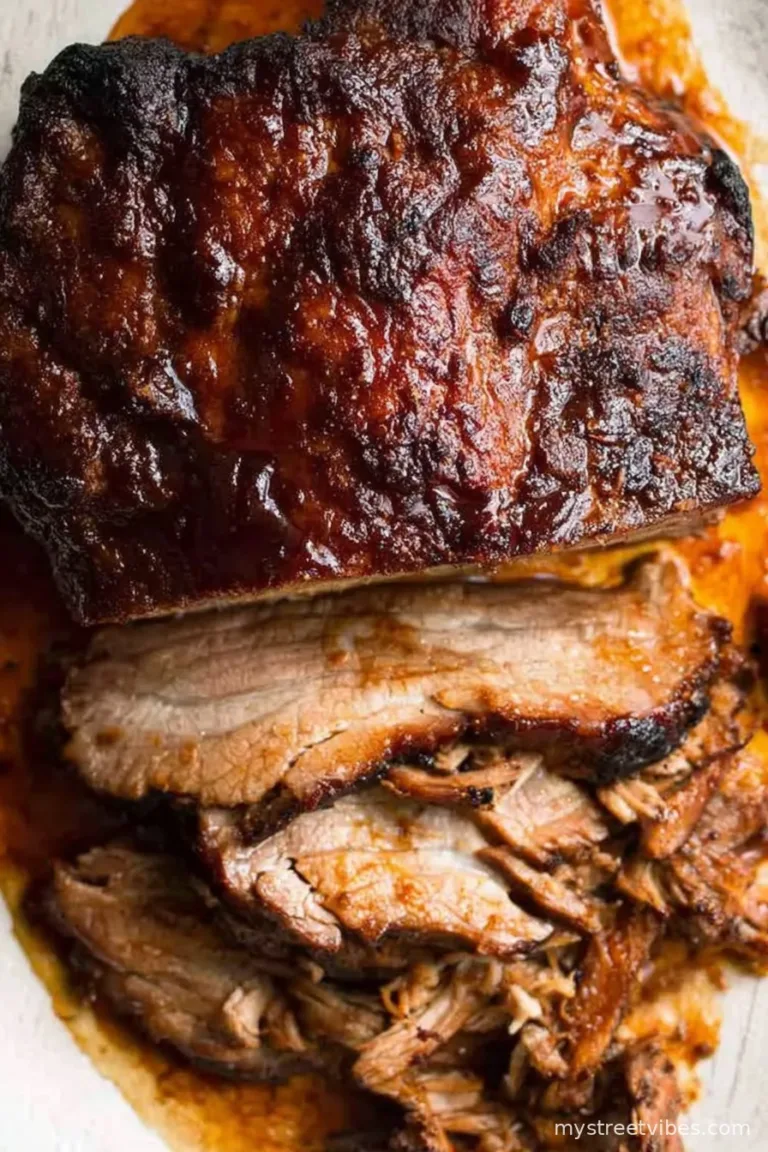
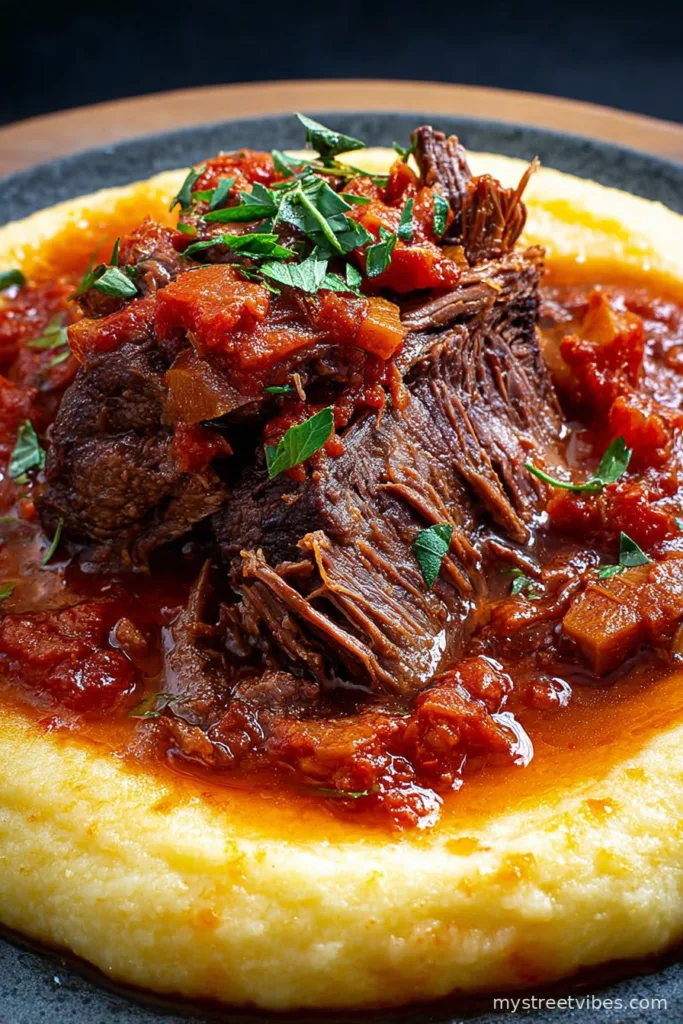
Let me just say – if you’ve never attempted Italian Pot Roast (or Stracotto, as my friend Sofia’s nonna called it with a big smirk), you’re in for a little adventure. The first time I tried making this, I almost gave up halfway because I thought I’d ruined the sauce. Spoiler: I hadn’t. My whole kitchen smelled like a cozy Sunday at my grandmother’s, which, honestly, is my favorite way to spend a rainy afternoon. Oh—and don’t ask me how many times I’ve scraped the bottom of the pot to “check if it’s sticking” and then just kept sneaking bites. It’s that kind of dish. Plus, if you spill a little wine in the pot or in your glass, no one’s judging (least of all me).
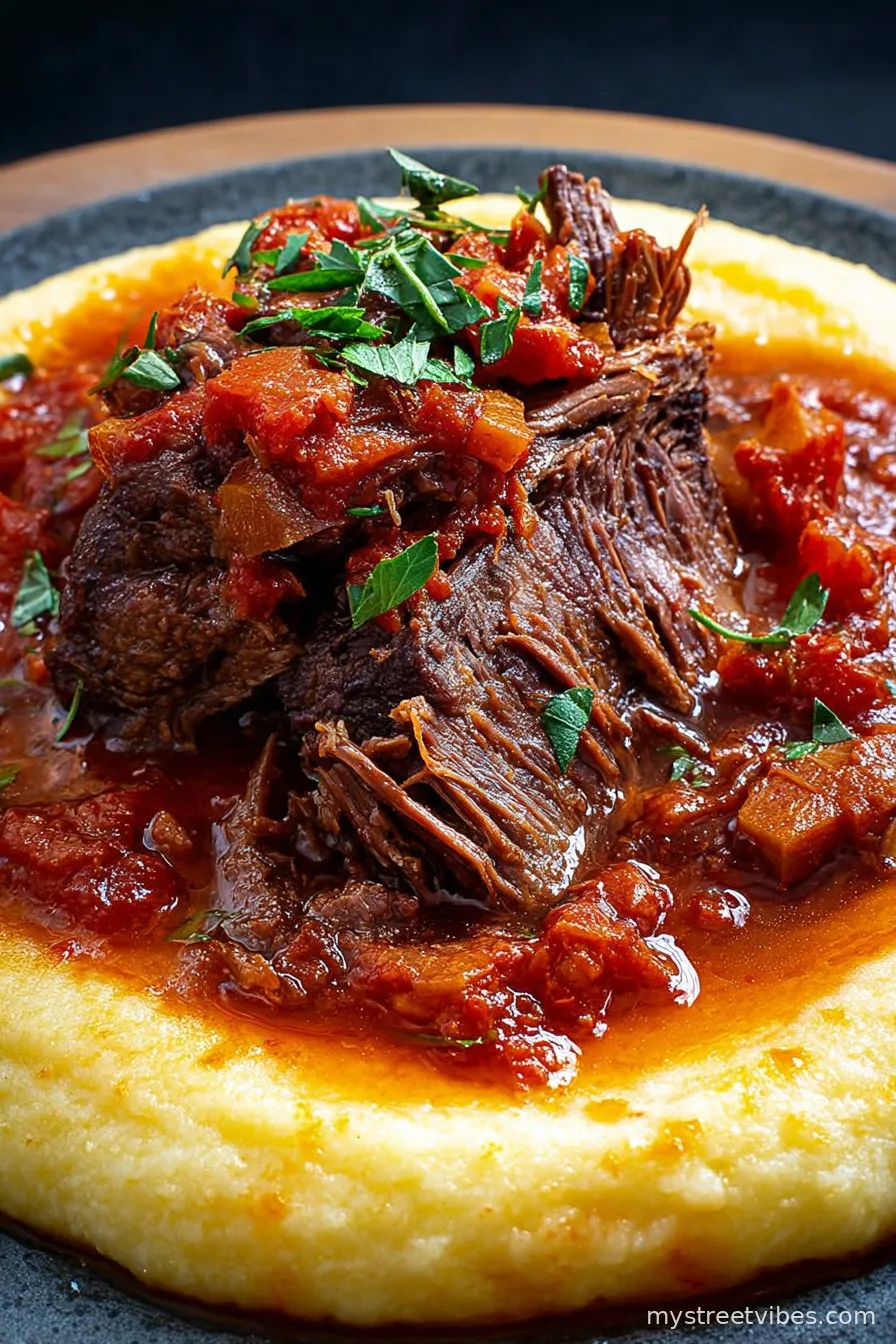
Why You’ll Love This Stracotto
I make this whenever my family’s mood needs a pick-me-up or when I know we’ll be huddling around the table for hours—because honestly, there’s nothing quite as warming as a slow-cooked slab of beef that falls apart at the mere suggestion of a fork. My cousin insists on seconds (or thirds—he’s shameless). Also, this is one of those miracle dishes that turns rough, tough meat into something that tastes like pure velvet. You know, there’s that one part where you brown the beef and it looks like it’ll never become edible? That always used to bug me, but now I just laugh and pour myself more wine.
What You’ll Need (Ingredient Chat)
- 1 (3 to 4 pounds) beef chuck roast (sometimes I use brisket if I can’t find chuck—it’s fine either way)
- 2 tablespoons olive oil (or just use whatever oil you have—my grandma swears by extra-virgin, but I’m not picky)
- 2 yellow onions, sliced (I grab whatever onions are on the counter, to be honest)
- 3 carrots, peeled and chopped (but if I’m out, I just use extra celery—No disasters so far)
- 2 celery stalks, chopped
- 5 cloves garlic, smashed (I throw in more if the mood strikes—no vampires here)
- 1 cup dry red wine (something you wouldn’t mind sipping while you cook—sometimes I use Chianti, but boxed wine has made an appearance, no shame)
- 1 (28-ounce) can whole peeled tomatoes, crushed by hand (my aunt swears by San Marzano but store brand doesn’t ruin the world)
- 2 cups beef broth (homemade is great; boxed works, too—just avoid the really salty stuff if you can)
- 2 bay leaves
- 2 sprigs fresh rosemary (or use dried if the rosemary bush outside has given up for the winter)
- 1 teaspoon dried oregano (sometimes I skip this if I can’t find it hiding in the spice cabinet)
- Salt and freshly ground black pepper, to taste
How I Make Stracotto (Don’t Stress the Details)
- First, give your beef a good sprinkle of salt and black pepper. Seriously, don’t be shy—it’s a massive hunk of meat.
- Heat the olive oil in a large Dutch oven or any big heavy-ish pot over medium-high heat (if your pot looks a bit battered, that’s actually perfect). Brown the roast on all sides. This part’s messy but important—don’t skip it! About 10 minutes. Remove the beef and set it aside, maybe on that chipped plate you always use.
- In the same pot (don’t wash it!), toss in the onions, carrots, and celery. Stir them around, scraping up any crusty goodness off the bottom. Cook until they’ve softened—maybe 8 minutes. If the onions get a bit brown, that’s totally fine.
- Add the smashed garlic, and let that cook for about a minute. It’ll smell like you know what you’re doing.
- Now—pour in the red wine. Take a big whiff, and use a wooden spoon (or whatever you grab first) to loosen any bits stuck to the pot. Simmer a couple minutes, let it reduce just a bit.
- Toss in your crushed tomatoes, beef broth, bay leaves, rosemary, and oregano. Give it a stir and taste the sauce for seasoning. (This is where I usually sneak a taste. Sometimes I add a pinch more salt. Or not—totally a mood call.)
- Return the beef to the pot, nestling it in. Shuffle the veggies around a bit so everyone snuggles in. The liquid should almost cover the beef, but not quite. If there’s not enough, toss in a bit more broth or water. Cover the pot with a lid.
- Braise in a preheated 325°F (160°C) oven for about 3 to 3 1/2 hours. Check halfway—flip the roast and if things look dry, splash in more broth or water. But don’t fuss, it’s pretty forgiving.
- Once the beef is fork-tender and practically falling apart (just poke it—if it shreds, it’s done), take it out. Remove the bay leaves and rosemary stem (sometimes I forget—it happens.)
- Let the roast rest for 10-15 minutes before slicing or shredding. Serve with the sauce ladled on top. If the sauce looks oily, I sometimes skim a bit off—or don’t, it’s called flavor.
Notes (Things I’ve Learned the Hard Way)
- If you rush the browning, it won’t have that deep, savory flavor. I learned that the hard way when half the beef was gray—bleh.
- Cutting the veggies a bit bigger helps them not totally disappear in the sauce (though honestly nobody’s ever complained in my house when the sauce is extra-thick either).
- This is even better the next day. Actually, I think I prefer it as leftovers (if you manage to save any).
Let’s Talk: Variations I’ve Tried (Or…Attempted)
- Once I tried swapping in pork shoulder instead of beef—it was…not my finest moment. Too fatty. Kids still ate it though, so not a total fail.
- If you want to go fancier, toss in some mushrooms with the veggies. The earthy flavor is pretty wild, in a good way.
- I’ve made this in my slow cooker on days when stirring anything feels like too much. Just do all the browning first, then dump everything in and set on low for 8 hours. Done.

Handy Equipment (But Don’t Panic)
- Big Dutch oven or sturdy oven-safe pot. If you just have a deep roasting pan, I’ve made it work by covering tightly with foil—just watch the liquid level more closely.
- A wooden spoon (or a silicone spatula if you can’t find one—my spoons always hide on me).
Storing Leftovers (If There Are Any!)
Keep leftovers in a sealed container in the fridge for up to 3 days. Supposedly, you can freeze it for up to 2 months, but honestly, in my house, this just feels like wishful thinking. It’s usually gone by the next meal—so you might as well plan for sandwiches the next day.
How We Serve It (My Family’s Way)
We always, always ladle it over creamy mashed potatoes or polenta, and there’s got to be a loaf of crusty bread on the table for mopping up every last bit. Sometimes, my aunt gets fancy and makes saffron risotto to go with. For me, noodles work too—basically, anything carby.
Pro Tips (Otherwise Known as ‘Oops, Don’t Do That’)
- I once tried cranking the oven up to 400°F because I was impatient – beef got weirdly tough on the edges. Low and slow, always.
- Don’t skip the resting time at the end—it really does make slicing easier (and keeps your shirt cleaner; ask me how I know).
- And clean your pot right after. Dried tomato sauce is like cement—form experience, not fun.
FAQs (Yes, You’ve Actually Asked!)
- What’s the best wine to use? Whatever you like drinking. If it’s good enough for your glass, it’s fine for the pot. But honestly, nobody’s failed with a basic Italian red.
- Can I make it ahead? Totally. In fact, I think it tastes better the next day. Just let it cool fully before sticking it in the fridge.
- Help, my sauce is too thin! Just simmer it on the stove, uncovered, for a bit to thicken it up. Or, worst-case, serve it as-is with lots of bread and everyone’s happy anyway.
- Can I use a different cut of meat? Sure—brisket works, and I once tried bottom round too. Chuck still wins for me, but don’t stress if you can’t find it.
- Is it okay to skip the wine? You’ll lose some depth, not the end of the world, but replace it with more broth or even a splash of balsamic vinegar for extra zing.
Ingredients
- 1 (3 to 4 pounds) beef chuck roast (sometimes I use brisket if I can’t find chuck—it’s fine either way)
- 2 tablespoons olive oil (or just use whatever oil you have—my grandma swears by extra-virgin, but I’m not picky)
- 2 yellow onions, sliced (I grab whatever onions are on the counter, to be honest)
- 3 carrots, peeled and chopped (but if I’m out, I just use extra celery—No disasters so far)
- 2 celery stalks, chopped
- 5 cloves garlic, smashed (I throw in more if the mood strikes—no vampires here)
- 1 cup dry red wine (something you wouldn’t mind sipping while you cook—sometimes I use Chianti, but boxed wine has made an appearance, no shame)
- 1 (28-ounce) can whole peeled tomatoes, crushed by hand (my aunt swears by San Marzano but store brand doesn’t ruin the world)
- 2 cups beef broth (homemade is great; boxed works, too—just avoid the really salty stuff if you can)
- 2 bay leaves
- 2 sprigs fresh rosemary (or use dried if the rosemary bush outside has given up for the winter)
- 1 teaspoon dried oregano (sometimes I skip this if I can’t find it hiding in the spice cabinet)
- Salt and freshly ground black pepper, to taste
Instructions
-
1First, give your beef a good sprinkle of salt and black pepper. Seriously, don’t be shy—it’s a massive hunk of meat.
-
2Heat the olive oil in a large Dutch oven or any big heavy-ish pot over medium-high heat (if your pot looks a bit battered, that’s actually perfect). Brown the roast on all sides. This part’s messy but important—don’t skip it! About 10 minutes. Remove the beef and set it aside, maybe on that chipped plate you always use.
-
3In the same pot (don’t wash it!), toss in the onions, carrots, and celery. Stir them around, scraping up any crusty goodness off the bottom. Cook until they’ve softened—maybe 8 minutes. If the onions get a bit brown, that’s totally fine.
-
4Add the smashed garlic, and let that cook for about a minute. It’ll smell like you know what you’re doing.
-
5Now—pour in the red wine. Take a big whiff, and use a wooden spoon (or whatever you grab first) to loosen any bits stuck to the pot. Simmer a couple minutes, let it reduce just a bit.
-
6Toss in your crushed tomatoes, beef broth, bay leaves, rosemary, and oregano. Give it a stir and taste the sauce for seasoning. (This is where I usually sneak a taste. Sometimes I add a pinch more salt. Or not—totally a mood call.)
-
7Return the beef to the pot, nestling it in. Shuffle the veggies around a bit so everyone snuggles in. The liquid should almost cover the beef, but not quite. If there’s not enough, toss in a bit more broth or water. Cover the pot with a lid.
-
8Braise in a preheated 325°F (160°C) oven for about 3 to 3 1/2 hours. Check halfway—flip the roast and if things look dry, splash in more broth or water. But don’t fuss, it’s pretty forgiving.
-
9Once the beef is fork-tender and practically falling apart (just poke it—if it shreds, it’s done), take it out. Remove the bay leaves and rosemary stem (sometimes I forget—it happens.)
-
10Let the roast rest for 10-15 minutes before slicing or shredding. Serve with the sauce ladled on top. If the sauce looks oily, I sometimes skim a bit off—or don’t, it’s called flavor.
CLICK FOR NUTRITION INFO
↑
Approximate Information for One Serving
Serving Size:
1 serving
Calories:
475 caloriescal
Protein:
54gg
Fat:
23gg
Saturated Fat:
0g
Trans Fat:
0g
Cholesterol:
0mg
Sodium:
0mg
Potassium:
0mg
Total Carbs:
12gg
Fiber:
0g
Sugar:
0g
Net Carbs:
0g
Vitamin A:
0
Vitamin C:
0mg
Calcium:
0mg
Iron:
0mg
Nutrition Disclaimers
Number of total servings shown is approximate. Actual number of servings will depend on your preferred portion sizes.
Nutritional values shown are general guidelines and reflect information for 1 serving using the ingredients listed, not including any optional ingredients. Actual macros may vary slightly depending on specific brands and types of ingredients used.
To determine the weight of one serving, prepare the recipe as instructed. Weigh the finished recipe, then divide the weight of the finished recipe (not including the weight of the container the food is in) by the desired number of servings. Result will be the weight of one serving.
Did you make this recipe?
Please consider Pinning it!