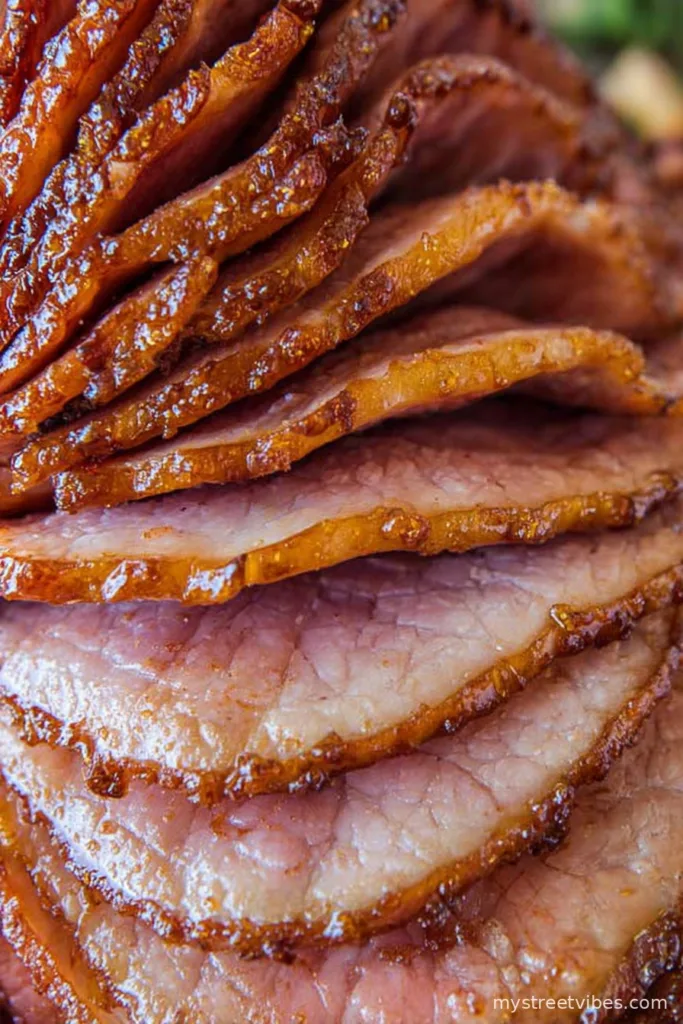
If you’ve ever wandered into my kitchen on a chilly Sunday morning around the holidays, there’s a pretty solid chance you’d catch a whiff of baked ham slowly filling the house. It’s been my little tradition for, oh, maybe a decade now? It started with a wild Christmas left in my hands (let’s just say, my first ham wasn’t my best work, and the fire alarm was definitely involved). But since then, I’ve been tweaking and fussing over this ham and glaze recipe, and it’s finally become one of those things even my pickiest cousin goes back for seconds. Actually, he tried to swipe the leftovers once—caught him red handed. Classic Joe.
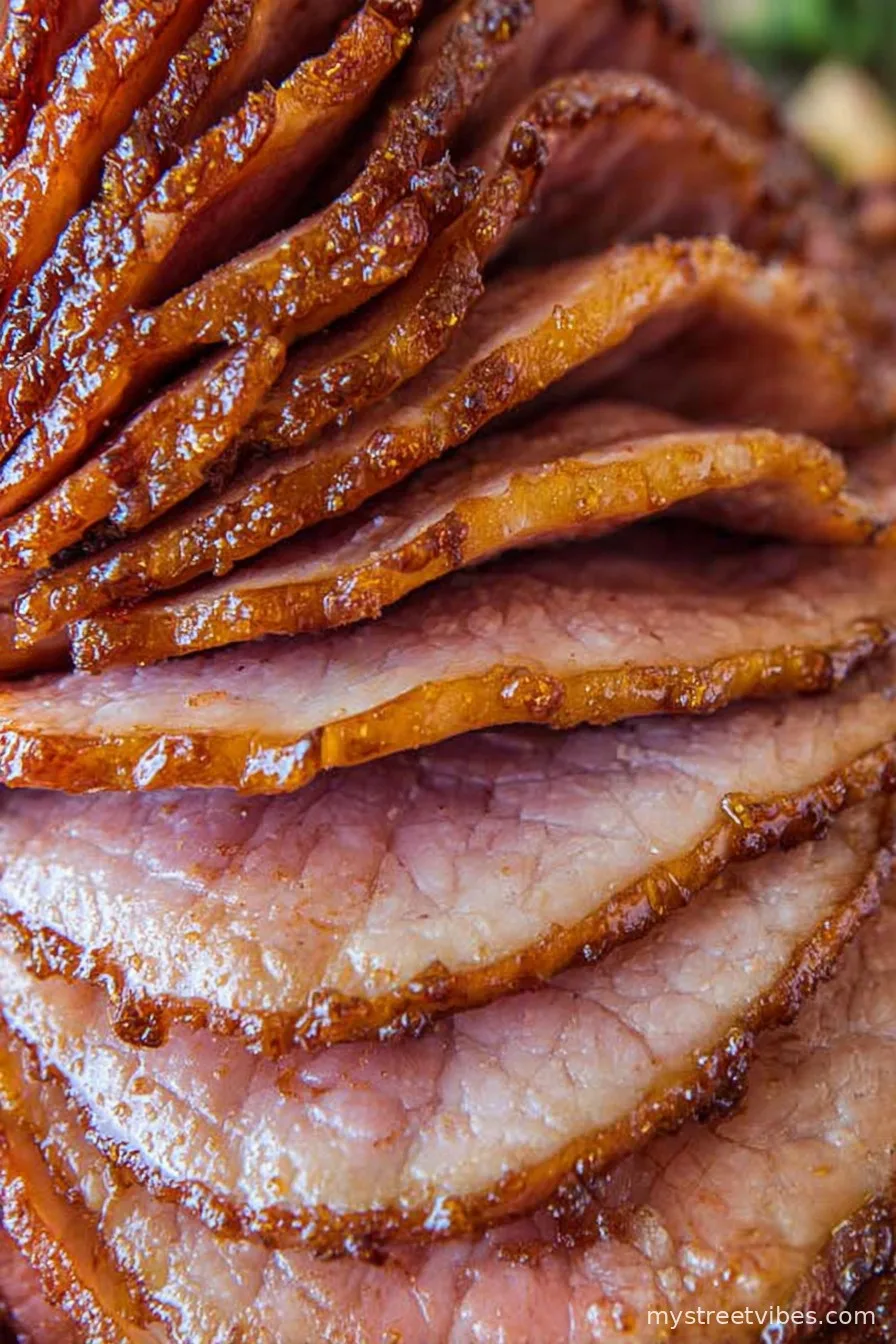
Why I Keep Making This Glazed Ham
I make this when I want to impress folks but also secretly just want to eat ham sandwiches for days. My family goes slightly bonkers for this glaze—my mom starts hovering near the oven about an hour before it’s done (“just checking!” she says…). And honestly, I used to dread making ham because it felt like such a commitment, but really, it’s all about the slow, sticky glaze. (Also, there’s a certain joy in mopping up the sticky goo from your countertop. Don’t ask.)
What You’ll Need—Ingredients List
- 1 whole cooked ham (about 8-10 lbs) — bone-in is lovely but I’ve used boneless in a pinch, no shame
- 1 packed cup brown sugar (light or dark, or a half-and-half mix if you’re feeling wild)
- 1/2 cup pure maple syrup (sometimes I sneak in honey if I’m out; don’t tell my neighbor from Vermont)
- 1/3 cup Dijon mustard (I’ve used spicy brown before—good weird flavor!)
- 2 tablespoons apple cider vinegar (white vinegar works but isn’t as mellow)
- 1/2 teaspoon ground cloves (or a handful of whole if you like poking them in just for the look of it)
- Big pinch of black pepper (probably 1/4 teaspoon but who’s counting)
- Optional: 2 tablespoons orange juice (my grandma swore by it, but sometimes I skip)
Alright, Let’s Get This Ham Glazed & baked
- First, preheat your oven to 325°F (160°C). Unwrap your ham, plop it fat side up in a roasting pan, and let it sit a bit while you fuss with the glaze. If there’s skin, carve it off but leave a thin layer of fat—that’s flavor!
- Score the ham gently in a diamond criss-cross pattern, about 1/4 inch deep. (Looks pretty, and it helps the glaze sneak in.)
- In a saucepan, toss in your brown sugar, maple syrup, Dijon mustard, apple cider vinegar, ground cloves, black pepper, and that (totally optional) orange juice. Stir over medium heat. Once it bubbles, simmer for 2-3 minutes til it becomes shiny and a little thick. Don’t wander off—sugar burns quick, and yes, I have totally scorched it before!
- Brush the ham all over with half the glaze. Really pile it on—you’ll think it’s too much, but ham’s a thirsty fella.
- Cover the ham loosely with foil (I usually skip tightly sealing, so it doesn’t steam and get weird). Bake for about 10-12 minutes per pound, basting every 30-40 min with more glaze. If you run out, just spoon the juicy stuff from the pan over the top. (This is when I sneak an end piece, for quality control…)
- In the last 20 minutes, yank off the foil, brush on the last of the glaze, and crank up the oven to 400°F (204°C) if you like it super sticky. Watch it like a hawk! It can go form glossy to burnt in minutes; I’ve learned that the hard way.
- Once it’s bubbling and caramelized and smells suspiciously like you want to eat it immediately, take it out and let it rest for at least 15 minutes. It’s hard, but worth it. Slice and dive in!
A Few Notes Form the Trench
- I once baked a ham covered in foil the whole way, and it came out…let’s just call it “soupy.” Lessons learned: foil is just a gentle shield, not a straightjacket.
- If your glaze seems too thick, thin it with a splash of water or more juice. Too thin? More sugar. (Don’t overthink it.)
- Not all hams are equally salty. Some are borderline “salt-lick” status—if yours is super salty, use half the glaze and add fresh slices of orange to mellow it out.
Variants I’ve Attempted (Some Good, Some Uh…Not)
- Tried bourbon in the glaze once. Everyone was very chatty that dinner.
- Swapped Dijon for hot honey mustard—actually spicy, but fantastic on sandwiches the next day.
- Used pineapple juice in place of orange: honestly, a bit too sweet for me, but my niece loved it.
- Don’t try red wine vinegar unless you want your ham slightly odd and, I guess, sophisticated?

Gear You’ll Thank Me For (But You Can Totally Improvise)
- Roasting pan (deep enough to catch the drips). In a true pinch, a big casserole dish and a roll of foil as a makeshift rack does the job just fine.
- Basting brush (or a big spoon, or even a wad of paper towel in a crisis, which—don’t ask—I’ve done)
- Sharp knife for carving—no need for a fancy electric one unless you’re feeling fancy
Storing Leftovers (If You’re Lucky Enough to Have Any)
Just tuck the slices and any stray bits into an airtight container in the fridge and you’re golden for 3-4 days. Though honestly, in my house it never outlasts Monday lunch. If you must, you can freeze cut meat for a ham emergency down the line—it does happen.
How I Like to Serve It (And Weird Traditions)
I almost always put out a plate of fluffy potato rolls next to the ham because, well, ham sandwiches the next day are sacred. But my family’s oddball tradition is to serve it with roasted Brussels sprouts tossed in leftover glaze. Trust me. Oh, and a handful of pickles on the side because my dad insists—why, I have no idea.
Pro Tips Gleaned from, Uh, Experience
- I once tried rushing the glaze, skipping the simmer, and it separated. Don’t. Let it bubble and thicken—that’s the trick.
- If your ham looks dry halfway through, baste it more! I tend to get a little overenthusiastic with my brushing—no harm, it just gets stickier.
- Patience is key for slicing. One time I hacked in too early and the juices ran everywhere—tasted fine, looked like a crime scene.
So, Uh, I Get These Questions a Lot
- Can I use a spiral-cut ham? Oh, totally. It actually soaks up more glaze between cuts. Just watch out, it dries faster so baste well.
- Do I really need the whole cloves? No, but they make it look downright festive. And my mom would haunt me if I skipped ’em.
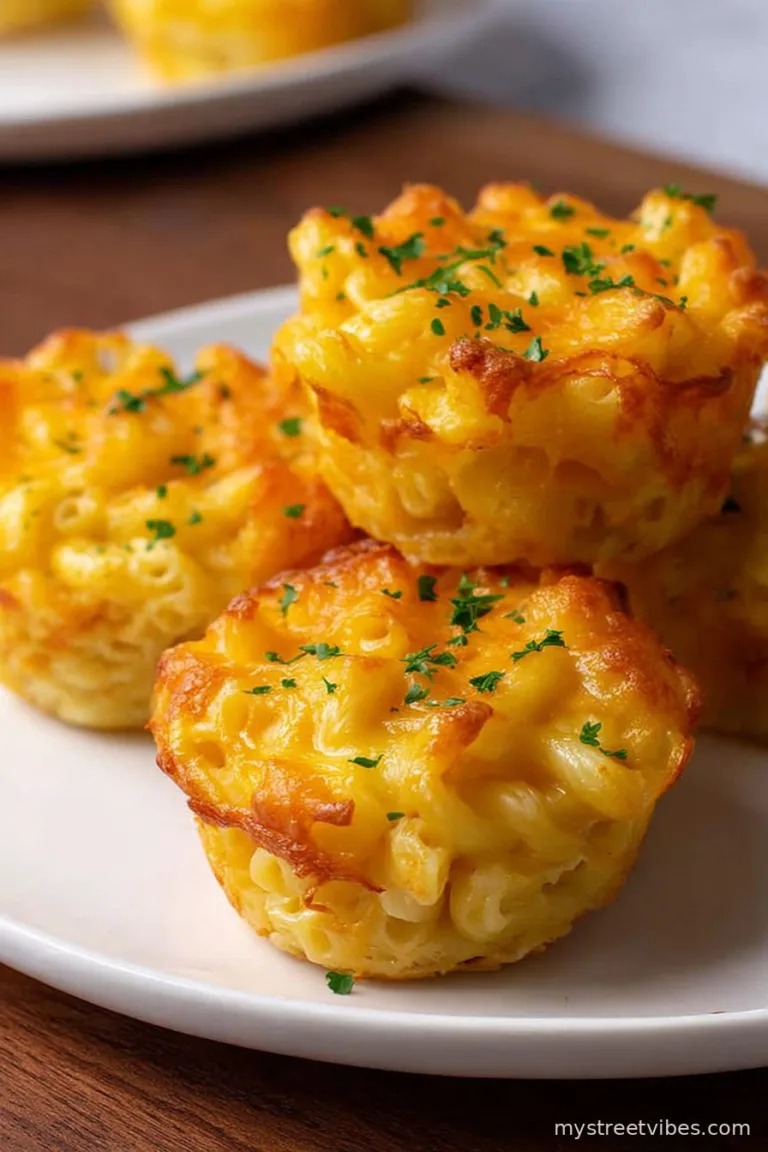
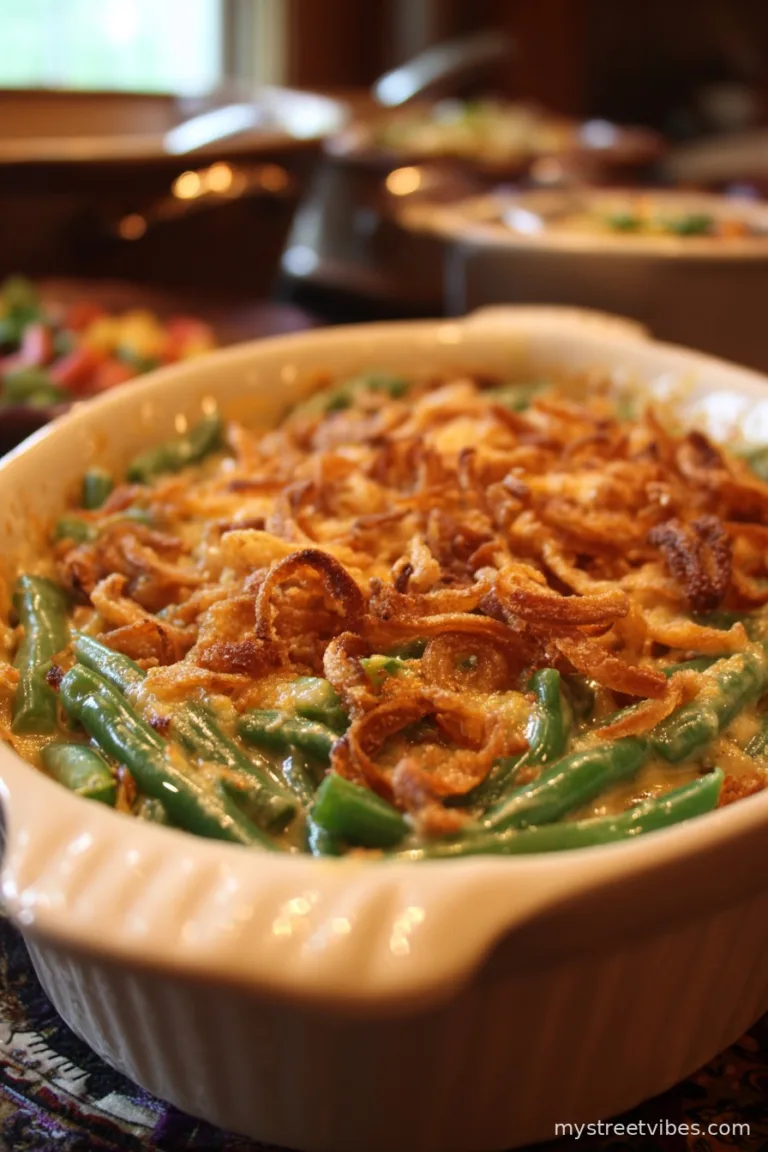
- Any good sides besides those rolls? Mashed potatoes, mac and cheese, green beans. Or one year we had it with a pile of roasted carrots and it was weirdly amazing.
- Why does my glaze sometimes burn? Hot oven and sugar—classic kitchen nemesis. Lower heat and keep an eye out; I wish someone told me sooner!
- Is it better the next day? I think so. Cold ham sandwiches while standing over the sink? Chef’s kiss.
- Help, my ham is salty! Yeah, that’s normal with some store-bought hams. Serve with plenty of bread or let slices soak in water for a bit, then pat dry before glazing. Sounds weird, but it works.
Before you go, I have to tell you—last time I made this, the neighbor’s dog showed up at my door. That says a lot, right? Anyway, happy baking, and don’t stress if you make a mess. I do, every time.
Ingredients
- 1 whole cooked ham (about 8-10 lbs) — bone-in is lovely but I’ve used boneless in a pinch, no shame
- 1 packed cup brown sugar (light or dark, or a half-and-half mix if you’re feeling wild)
- 1/2 cup pure maple syrup (sometimes I sneak in honey if I’m out; don’t tell my neighbor from Vermont)
- 1/3 cup Dijon mustard (I’ve used spicy brown before—good weird flavor!)
- 2 tablespoons apple cider vinegar (white vinegar works but isn’t as mellow)
- 1/2 teaspoon ground cloves (or a handful of whole if you like poking them in just for the look of it)
- Big pinch of black pepper (probably 1/4 teaspoon but who’s counting)
- Optional: 2 tablespoons orange juice (my grandma swore by it, but sometimes I skip)
Instructions
-
1First, preheat your oven to 325°F (160°C). Unwrap your ham, plop it fat side up in a roasting pan, and let it sit a bit while you fuss with the glaze. If there’s skin, carve it off but leave a thin layer of fat—that’s flavor!
-
2Score the ham gently in a diamond criss-cross pattern, about 1/4 inch deep. (Looks pretty, and it helps the glaze sneak in.)
-
3In a saucepan, toss in your brown sugar, maple syrup, Dijon mustard, apple cider vinegar, ground cloves, black pepper, and that (totally optional) orange juice. Stir over medium heat. Once it bubbles, simmer for 2-3 minutes til it becomes shiny and a little thick. Don’t wander off—sugar burns quick, and yes, I have totally scorched it before!
-
4Brush the ham all over with half the glaze. Really pile it on—you’ll think it’s too much, but ham’s a thirsty fella.
-
5Cover the ham loosely with foil (I usually skip tightly sealing, so it doesn’t steam and get weird). Bake for about 10-12 minutes per pound, basting every 30-40 min with more glaze. If you run out, just spoon the juicy stuff from the pan over the top. (This is when I sneak an end piece, for quality control…)
-
6In the last 20 minutes, yank off the foil, brush on the last of the glaze, and crank up the oven to 400°F (204°C) if you like it super sticky. Watch it like a hawk! It can go form glossy to burnt in minutes; I’ve learned that the hard way.
-
7Once it’s bubbling and caramelized and smells suspiciously like you want to eat it immediately, take it out and let it rest for at least 15 minutes. It’s hard, but worth it. Slice and dive in!
CLICK FOR NUTRITION INFO
↑
Approximate Information for One Serving
Serving Size:
1 serving
Calories:
450 caloriescal
Protein:
48gg
Fat:
17gg
Saturated Fat:
0g
Trans Fat:
0g
Cholesterol:
0mg
Sodium:
0mg
Potassium:
0mg
Total Carbs:
32gg
Fiber:
0g
Sugar:
0g
Net Carbs:
0g
Vitamin A:
0
Vitamin C:
0mg
Calcium:
0mg
Iron:
0mg
Nutrition Disclaimers
Number of total servings shown is approximate. Actual number of servings will depend on your preferred portion sizes.
Nutritional values shown are general guidelines and reflect information for 1 serving using the ingredients listed, not including any optional ingredients. Actual macros may vary slightly depending on specific brands and types of ingredients used.
To determine the weight of one serving, prepare the recipe as instructed. Weigh the finished recipe, then divide the weight of the finished recipe (not including the weight of the container the food is in) by the desired number of servings. Result will be the weight of one serving.
Did you make this recipe?
Please consider Pinning it!