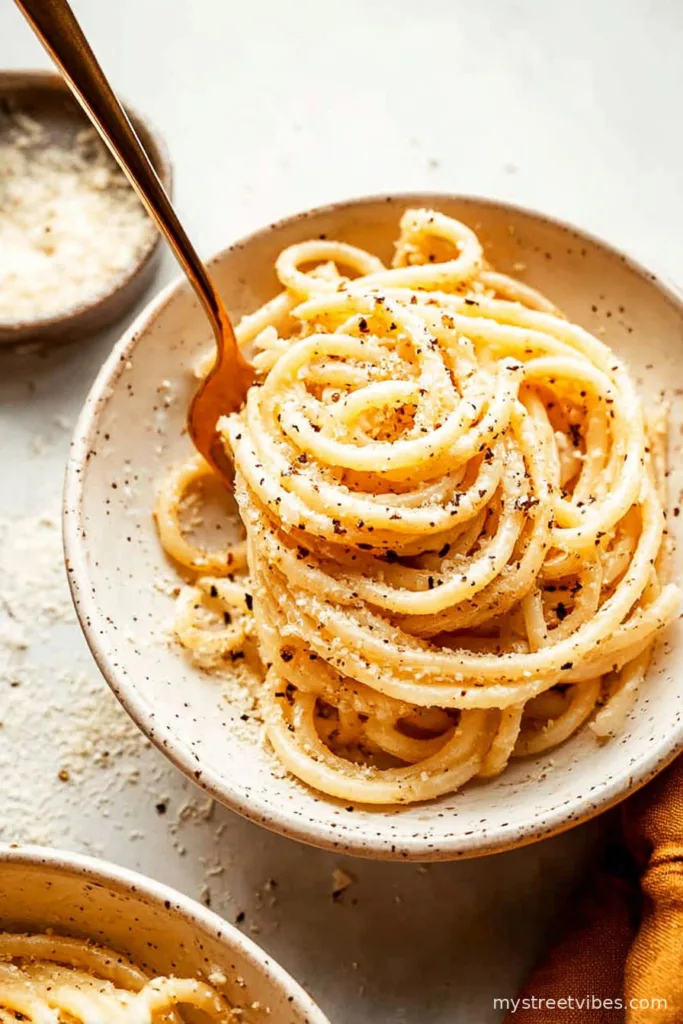
Let Me Tell You About My Love-Hate Thing With Cacio e Pepe
Okay, so first—if you’ve got 20 minutes, a craving for carbs, and a grater that refuses to behave, you’re halfway to making Cacio e Pepe just like I do (or, almost do; my kitchen usually looks like a cheese explosion afterward). No joke, the first time I made this, I accidentally dumped half the black pepper jar, and my brother called it “spicy snow pasta” for years. But, honestly, it’s now the family request when nobody can decide what’s for dinner. And sometimes, if I really want to seem fancy, I pretend I just picked it up off a Roman street corner.
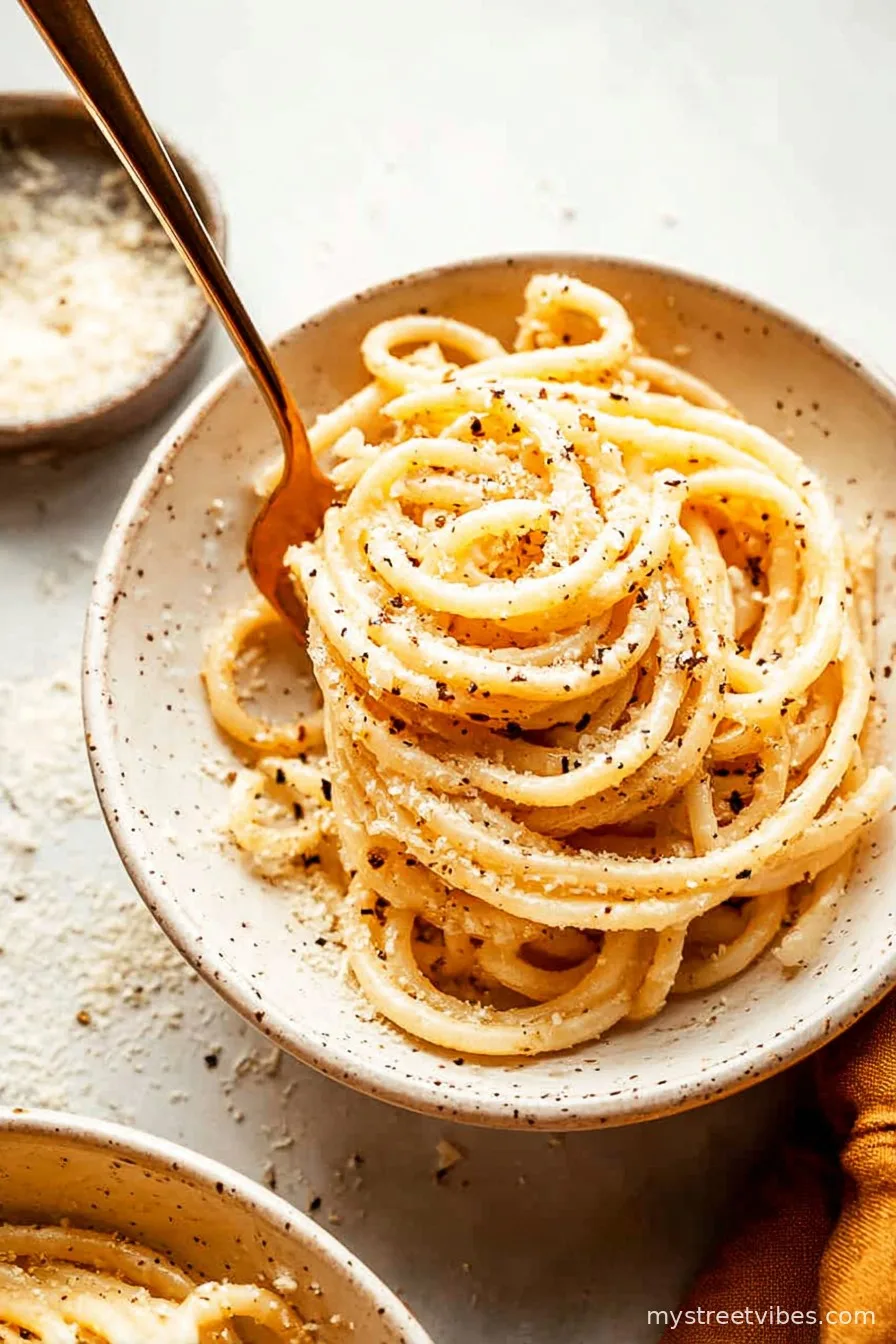
Why You’ll Probably Eat This Straight From the Pan
I make this when I want something cozy but can’t really deal with a bunch of steps (who really wants to wash another saucepan?). My family goes a little nuts for this because it’s buttery, creamy, super peppery—and honestly, if any leftovers survive until the next day, I think it tastes better cold (weird, but true). Oh, and for those times when the cheese gets clumpy? I’ve sworn at it enough to learn: just keep stirring! Or, don’t. Cacio e Pepe is forgiving, thank goodness.
This Is What You’ll Need (Substitutions, Because Life)
- Spaghetti – Or literally any long pasta hanging out in your cupboard. I use bucatini when I want to feel wild.
- Pecorino Romano, finely grated – My grandmother always insisted on that sheep’s milk bite (and specifically, this intense imported brick), but honestly, parmesan works fine if that’s what you have. Sometimes I do a 50-50 mix if I’m feeling rebellious.
- Black pepper, freshly cracked – I tried the pre-ground stuff once, but it tasted… disappointing. A pepper grinder’s worth the wrist workout!
- Salt – Just for the pasta water. Not too much though; Pecorino’s already salty as all get-out.
- (Optional: A small knob of butter – I know, real Romans might come for me, but on a Monday night, I say yes.)
How I Actually Make Cacio e Pepe (and Sometimes Mess It Up)
- Bring a big pot of water to a rolling boil. Add a generous pinch of salt (water should taste a bit like the sea, or at least a city river). Drop in your pasta—about a handful per hungry person. Cook till just shy of al dente (the box time minus a minute or so, if I’m paying attention).
- While the pasta’s cooking, prep your cheese and pepper. Grind enough black pepper to fill about a teaspoon or more—sometimes I get overzealous and toss in more. Finely grate your cheese; actually, if you think it’s fine enough, grate a little more. (Trust me, this part is always underestimated.)
- Scoop about a cup of pasta water before draining. (This is where I usually get distracted, so sometimes I just improvise with plain hot water—it does work, but maybe not as well. Plus, it’s called starchy magic for a reason.)
- Toast the pepper. In a big skillet or pan, toss in your black pepper over medium heat. Let it get super fragrant—stir it round, but don’t let it burn. This is also the point where someone in my house usually says, “Are we burning something?”
- Add a splash of pasta water. It’ll sizzle and smell amazing. Let it reduce a bit, then add the drained pasta straight in (no need for Olympic pasta-draining skills; just get it in the pan fast).
- Lower the heat, swirl in the cheese. Sprinkle the cheese slowly, tossing or stirring vigorously (I mean, really give it some elbow grease) so it melts into a glossy sauce. If it clumps, add a splash more pasta water and keep stirring. It usually looks messy right now, but don’t panic—it sorts itself out. Butter goes in here if I’m feeling nice to myself.
- Taste it! (Mandatory, not optional.) Needs more cheese? Pepper? You do you. Serve it immediately, before the sauce gets sticky and solid (as it sometimes does if I linger with my phone).
Random Notes on Getting It Right (Mostly Learned the Hard Way)
- If you try to rush the cheese or dump it all at once – you’ll get big gloopy tangles. Slowly is the only way.
- Freshly cracked pepper is a game-changer. Pre-ground just tastes… flat. I didn’t believe it at first either.
- If you don’t dry your pasta enough or leave it too wet, the sauce gets thin. (But then again, more bread to mop it up with, right?)
Variations I’ve Tried (and Some I Wish I Hadn’t)
- I once swapped the Pecorino for Grana Padano (it was, well, a little bland, but still edible—just don’t tell the Roman aunties).
- Sometimes I throw in a handful of arugula or baby spinach at the end. It’s not traditional, but it makes me feel righteous.
- I tried it with gluten-free spaghetti once and actually, I find it works better if you undercook the pasta by a minute; otherwise it gets kinda mushy.
- Once tried adding a splash of cream—regretted it; tasted like cheese soup. Avoid, unless you really like cheese soup.

About Equipment (There’s Always a Way)
If you’ve got a big pasta pot and a halfway decent frying pan, you’re set. Don’t have a box grater? A microplane or even a zesting tool does the trick (I once got desperate and used the side of a knife—not amazing, but hey, it worked).
What About Leftovers?
Cacio e Pepe is best right when it’s made, but honestly, in my house it never lasts more than a day! If you do end up with leftovers, pop them in the fridge. Eat cold, straight form the Tupperware, or reheat gently with a splash of water. It does get a bit more solid, but still tasty. Or maybe that’s just me excusing my lack of patience?
How I Serve It (And That One Odd Tradition)
I like to hit each plate with an extra shower of cheese—my sister claims that’s showing off, but she still eats it. We’ve eaten this huddled round the TV, or sometimes I bring it outside if the mood’s right. If it’s a big gathering, I’ll double up, then everyone can argue over who got the pepperiest bite.
My “Don’t Do This” Pro Tips
- I once tried rushing the stirring bit. Bad move. The cheese welded itself to the pan; scraping it off took longer than the whole meal.
- Don’t walk away from the pepper toasting part—it goes from fragrant to fiery in seconds (ask my smoke alarm).
- If you’re eating late at night: make more than you think. Someone will sneak back for seconds (looking at you, Dad).
FAQ – The Real Stuff People Actually Ask Me
- Can I use Parmesan instead of Pecorino? Yep, I’ve done it—it’s a little less sharp, but honestly still delish.
- How do I stop the cheese form clumping? Add it slowly, off the heat, and keep tossing. Sometimes I swear and start over. Happens to everyone, right?
- What pasta shape is best? Spaghetti’s classic, but I’ve used linguine, even fettuccine once (that was just because I had half a box left).
- Do you really need that much pepper? Well, some days yes—other days my wrist gets tired. Adjust as your tastebuds demand!
- Can I make this vegan? I mean, you could try with vegan cheese. I did once, wasn’t my best effort, but could probably be improved?
- Why does my sauce sometimes break? Usually it’s either the cheese or water’s too hot, or added too quickly. Or maybe I just got distracted again. Try again, don’t give up!
Oh, one last thing—Cacio e Pepe for breakfast? Honestly, stranger things have happened in my kitchen. Give it a go at midnight or at dawn, life’s short; eat tasty things when you want them.
Ingredients
- 400 g (14 oz) spaghetti
- 120 g (4.2 oz) Pecorino Romano cheese, finely grated
- 2 teaspoons freshly ground black pepper
- 2 tablespoons unsalted butter
- 1 tablespoon salt, for pasta water
- 1/2 cup reserved pasta cooking water
- Extra Pecorino Romano, for serving
- Freshly ground black pepper, for serving
Instructions
-
1Bring a large pot of salted water to a boil. Add the spaghetti and cook until al dente, according to package instructions.
-
2Meanwhile, heat a large skillet over medium heat. Add the freshly ground black pepper and toast it for 1 minute until fragrant.
-
3Add the cooked spaghetti directly to the skillet along with 1/2 cup of reserved pasta cooking water and unsalted butter. Toss to combine and coat the pasta.
-
4Remove the skillet from the heat. Gradually add the grated Pecorino Romano, tossing continuously to create a creamy sauce that clings to the pasta.
-
5Add more reserved pasta water if needed to achieve desired creaminess. Serve immediately, topped with extra Pecorino Romano and freshly ground black pepper.
CLICK FOR NUTRITION INFO
↑
Approximate Information for One Serving
Serving Size:
1 serving
Calories:
480cal
Protein:
18 gg
Fat:
16 gg
Saturated Fat:
0g
Trans Fat:
0g
Cholesterol:
0mg
Sodium:
0mg
Potassium:
0mg
Total Carbs:
64 gg
Fiber:
0g
Sugar:
0g
Net Carbs:
0g
Vitamin A:
0
Vitamin C:
0mg
Calcium:
0mg
Iron:
0mg
Nutrition Disclaimers
Number of total servings shown is approximate. Actual number of servings will depend on your preferred portion sizes.
Nutritional values shown are general guidelines and reflect information for 1 serving using the ingredients listed, not including any optional ingredients. Actual macros may vary slightly depending on specific brands and types of ingredients used.
To determine the weight of one serving, prepare the recipe as instructed. Weigh the finished recipe, then divide the weight of the finished recipe (not including the weight of the container the food is in) by the desired number of servings. Result will be the weight of one serving.
Did you make this recipe?
Please consider Pinning it!!