
Sit Down, Let’s Talk Dumpling Soup
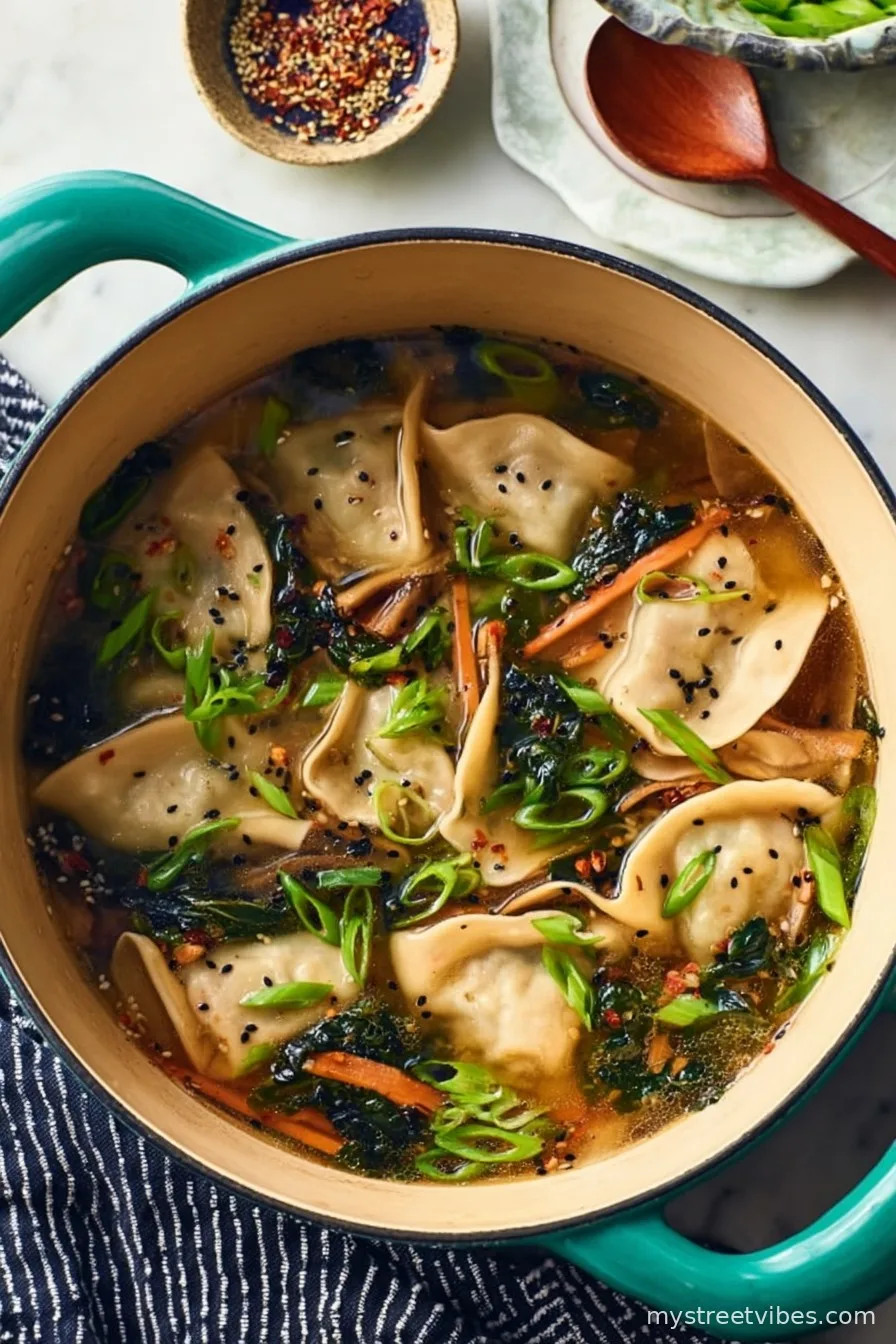
Right, so you want to make dumpling soup? I’m not even going to pretend to be unbiased: I adore this dish. The first time I made it, it was partly because I needed to use up a pack of wonton wrappers about to go rogue in my fridge and partly because I was trying to impress a certain someone who claimed soup wasn’t dinner (he was wrong, but we’ve all got our food hills to die on). Anyway, one slurp of this and suddenly, soup was dinner. I still make this when chilly weather creeps in or on those evenings when only a big bowl of delicious, brothy coziness will do. Sometimes I make a huge batch and eat it for lunch the next day—assuming there’s any left, which, let’s be honest, doesn’t happen often.
Why You’ll Probably Love This (If You’re Like Me)
Honestly, my family goes kind of bonkers when I make dumpling soup (even the picky one who’s suspicious of anything green). It’s one of those dishes that somehow tastes fancy even if you’ve just flung it together at the last minute. I’m especially fond of making it on a Sunday because it’s not so fussy you can’t have a conversation while you’re rolling dumplings. I remember once getting frustrated with the wrappers tearing, but then I figured out it’s less about perfection and more about having enough filling—too much, and you’ll be patching holes like a leaky boat. And if you’re the sort who digs leftovers as much as I do, well, this soup only gets better by the bowlful (though, annoyingly, someone tends to beat me to the last portion. Not naming names.).
What You’ll Need (and a Few Substitutions I Swear By)
- Wonton wrappers – 1 pack (or make your own if you’ve got loads of time or, like me, you watched a video and thought, “How hard can it be?” Spoiler: not that hard, but store-bought is just fine.)
- Ground pork – 250g (chicken works in a pinch; I’ve even done a tofu version, though it goes a bit soft)
- 1 cup finely chopped napa cabbage (or regular cabbage, or bok choy if you need to use it up!)
- 2 spring onions, sliced thin (sometimes I throw in a shallot out of spite when I run out)
- 1 tablespoon soy sauce (dark or light, I’ve honestly used both)
- Ginger – a thumb’s worth, grated (or a teaspoon of ginger paste; no one’s judging here)
- 2 cloves garlic, minced (I once forgot these and the soup survived, but it was…blandish)
- 6 cups good chicken stock (homemade is ace, but the supermarket stuff is what I usually use and my grandmother would probably forgive me…eventually)
- 2 teaspoons sesame oil
- Salt and pepper, to taste (I just do a bit of both and adjust right at the end)
- Chopped coriander (cilantro) or chives, for garnish (I skip this when I forget to buy it, and, honestly, it’s okay)
Alright, Let’s Get Cooking
- Mix up your dumpling filling: In a big-ish bowl, combine the ground pork, cabbage, spring onions, soy sauce, ginger, garlic, and a splash of sesame oil. Use your hands. Or a fork if you’re squeamish, but—hands are best.
- Open the wonton wrappers (don’t leave them sitting out or they’ll go dry and curl up, looking like little potato chips—speaking from experience here).
- Put a heaping teaspoon of filling in the middle of a wrapper. Wet the edge with water, then fold it over to make a triangle (or a little purse, or however you fancy—just seal it up!). Give the edges a good pinch. Don’t stress about them being perfect; half mine look like wonky ravioli and no one’s complained yet.
- Repeat until you’re bored, or you run out of wrappers or filling. (This is often when a helper miraculously appears. Odd how that works.)
- Start the soup: Bring your chicken stock to a boil in a big pot. Drop in your homemade dumplings one at a time. Don’t just chuck them in or they might stick together in a gloopy clump—learned that the hard way.
- Let the dumplings simmer gently (not a rolling boil) for about 5–6 minutes or until they start to float and the filling is cooked through. Usually, this is where I sneak a taste, you know, for quality control.
- Drizzle over the rest of your sesame oil, taste, and adjust the salt and pepper. Add the chopped greens right at the end if you want a splash of color.
- Ladle your soup into bowls, throw on a handful of fresh coriander or chives if you remembered, and dig in. Or wait for someone to arrive at the table after you hollered that it’s ready for the third time!
What I’ve Figured Out Along the Way
- If your filling seems watery, squeeze the cabbage in a tea towel first. Otherwise, you get sad, soggy dumplings. Ask me how I know.
- Don’t overcrowd the pot or the dumplings stick together—makes serving a little awkward, like they’re all holding hands underwater or something.
- You can freeze extra dumplings (uncooked) in a single layer, which I only started doing after I got tired of eating dumpling soup for breakfast. Thrilling, but a bit much.
Variations I’ve Tried (And Not All Were Winners)
- Swapping pork for minced shrimp—super tasty, though my brother claims it made him dream about octopuses. No comment.
- Going vegetarian with mushrooms and tofu—the flavor was good, filling was slightly mushy, but in a comforting way.
- Added chili oil for heat—it sort of overwhelmed things, so maybe go easy unless you’re spice-crazed.
- I tried adding frozen peas once. Would not recommend unless you like surprise pea flavor every now and then. Which I…don’t.

Don’t Stress About the Equipment
I use a big old Dutch oven because it’s what I have, but any large pot works. You don’t strictly need a bamboo steamer or anything fancy—though if you do have a steamer, you can cook dumplings in that and just plop them in the broth later. But honestly, one-pot is easier, especially if you hate washing up as much as I do.
How to Store (Assuming You Have Any Left)
In my house? This soup rarely sees a second sunrise. But if you actually manage leftovers, keep in an airtight container in the fridge. The dumplings might soak up a bit more broth, so I add a splash of water when reheating on the stove; I think this tastes even better the next day—though ask my partner and he’ll say it’s perfect fresh. Go figure.
How I Love to Serve It
Ladled into huge bowls with extra chopped greens. Sometimes I’ll put out a dish of chili crisp for dipping, though my kid just hovers over the pot with a spoon and skips bowls entirely (can’t really blame her!). And every so often, on a snowy night, we have it with thick slices of toast to mop up anything left. Not traditional, but neither am I, I guess.
Lessons I’ve Learned the Hard Way (Pro Tips)
- Don’t rush sealing the dumplings—I once tried to be a speed demon and they fell apart in the soup. Soup with floating meat filling is…less appetizing.
- Keep the broth to a gentle simmer; a rolling boil will rough up the dumpling skins, give you a weird cloudy soup, and—well, just don’t do it, trust me.
- If your wrappers start sticking together as you work, cover them with a damp tea towel. I always forget, and then I have to peel them apart very carefully, muttering the whole time.
Questions I Actually Get Asked
- Can I make these ahead?
Absolutely, you can. I sometimes freeze a tray of uncooked dumplings and just toss them straight into the broth frozen (they take about two minutes longer to cook). - What if my filling seems too runny?
Totally normal. Just drain or squeeze the veg before mixing, or add a tiny bit of cornstarch to bind it. Or, actually, just use less soy sauce—I’ve made that mistake before. - Do I have to use pork?
Nah. Chicken, shrimp, even firm tofu. Once, my friend threw in leftover roast chicken (bless) and it was hearty, if a bit dry. Good with extra broth! - How do I stop the dumplings from sticking together?
Don’t crowd the pot and keep the wrappers covered. If a couple stick, just gently separate with a spoon. Or pretend they’re supposed to be that way—a dumpling hug! - Can I use store-bought frozen dumplings?
Ha! I mean, yeah, no shame. I’ve done it myself in a pinch. Your soup will still be great—you can always punch up the broth with extra ginger or a dash of vinegar for extra zing.
One last thing: making dumpling soup doesn’t have to be some grand production—sometimes you’ll find yourself halfway through and realize the broth is already calling your name, so eat it in stages if you must. And if all else fails, call it “rustic” and let everyone think you planned it that way.
Ingredients
- 1 cup all-purpose flour
- 1/3 cup water
- 1/2 pound ground pork
- 1 tablespoon soy sauce
- 1 teaspoon minced garlic
- 1 teaspoon grated ginger
- 2 green onions, finely chopped
- 4 cups chicken broth
- 1 cup shredded napa cabbage
- 1 medium carrot, sliced
- Salt and pepper to taste
Instructions
-
1In a bowl, mix flour and water to form a soft dough. Knead until smooth, cover, and let rest for 10 minutes.
-
2In another bowl, combine ground pork, soy sauce, minced garlic, ginger, and green onions. Mix thoroughly.
-
3Roll out the dough and cut into small circles. Place a teaspoon of pork filling in the center of each circle and pinch the edges to seal the dumplings.
-
4In a large pot, bring chicken broth to a boil. Add cabbage and carrot, then gently drop in the dumplings.
-
5Simmer for 8-10 minutes, or until dumplings are cooked through and float to the surface. Season with salt and pepper to taste.
-
6Serve hot, garnished with extra green onions if desired.
CLICK FOR NUTRITION INFO
↑
Approximate Information for One Serving
Serving Size:
1 serving
Calories:
320cal
Protein:
18 gg
Fat:
10 gg
Saturated Fat:
0g
Trans Fat:
0g
Cholesterol:
0mg
Sodium:
0mg
Potassium:
0mg
Total Carbs:
37 gg
Fiber:
0g
Sugar:
0g
Net Carbs:
0g
Vitamin A:
0
Vitamin C:
0mg
Calcium:
0mg
Iron:
0mg
Nutrition Disclaimers
Number of total servings shown is approximate. Actual number of servings will depend on your preferred portion sizes.
Nutritional values shown are general guidelines and reflect information for 1 serving using the ingredients listed, not including any optional ingredients. Actual macros may vary slightly depending on specific brands and types of ingredients used.
To determine the weight of one serving, prepare the recipe as instructed. Weigh the finished recipe, then divide the weight of the finished recipe (not including the weight of the container the food is in) by the desired number of servings. Result will be the weight of one serving.
Did you make this recipe?
Please consider Pinning it!!